-
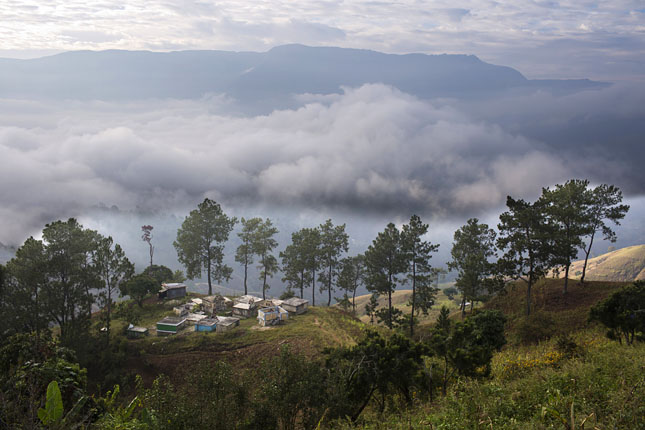
Behind the Headlines, Emerging Security Threats in the Middle East
›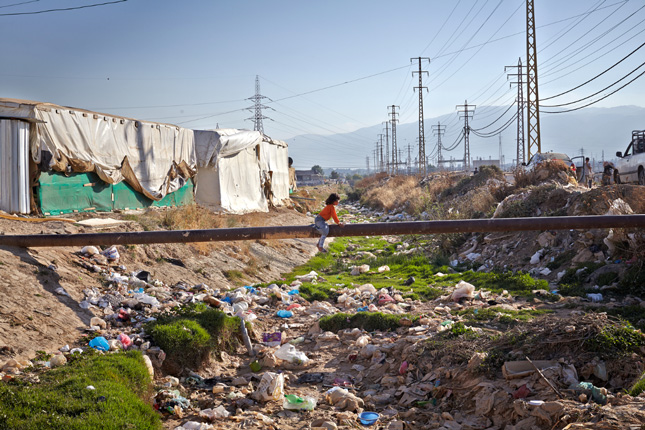
The Middle East, as much as ever, is the focus of international attention, but the obvious crises may be a distraction from deeper underlying issues.
-
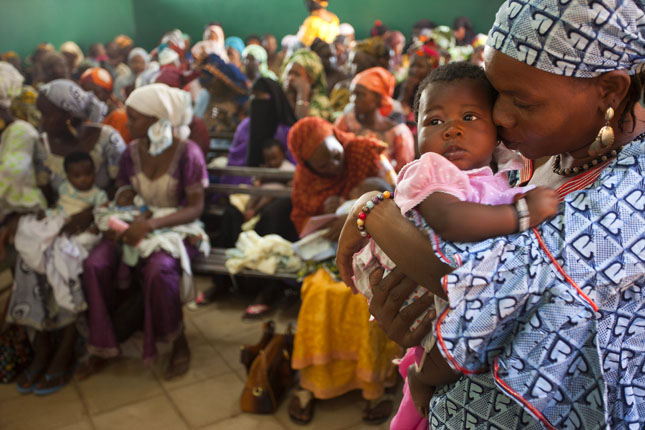
After Mexico City and Before Copenhagen: Keeping Our Promise to Mothers and Newborns
›
Last October, on the heels of the UN General Assembly agreeing to the Sustainable Development Goals, the global health community met in Mexico City to discuss strategy for achieving the “grand convergence”: finally bridging the gap between maternal and newborn health in rich and poor countries. [Video Below]
-
South Sudan’s Broken Oil Industry Increasingly Becoming a Hazard
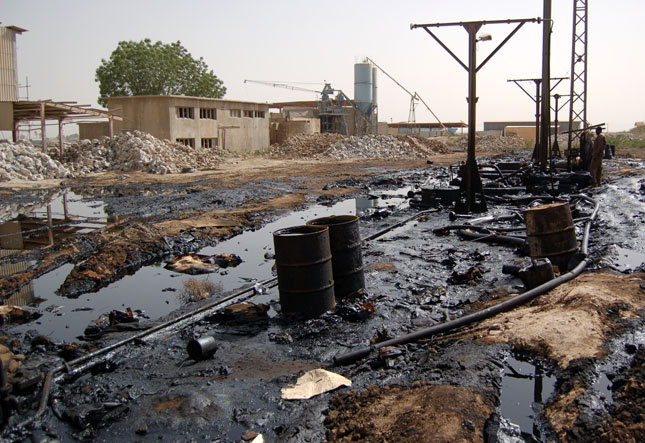
›The environment has long been a factor in violent conflict in South Sudan, especially with respect to control over oil. The first oil was discovered in 1999, and by 2007, hydrocarbons accounted for over 95 percent of Sudan’s income. South Sudan became independent in 2011 after years of war with the Sudanese government in Khartoum, intensified by local conflicts over access to oil-rich border areas. But beyond conflict, South Sudanese communities have also been ringing the alarm bell about pollution and health hazards caused by the oil industry.
-
How Zika Is Shaping the Sexual and Reproductive Health and Rights Agenda
›“The Zika outbreak is a result of something; it is the result of the lost attention to sexual and reproductive health issues as a human right and women as subjects of rights,” said Jaime Nadal Roig, the United Nations Population Fund representative to Brazil, at the Wilson Center on April 12. [Video Below]
-
Pathways to Resilience: Evidence on Links Between Conflict Management, Natural Resources, and Food Security
›In 2015, the NGO Mercy Corps released some surprising findings from conflict management programs in the Horn of Africa. Interventions from 2013 to 2015 focused on building community-level cooperation, strengthening institutions, and enhancing resilience. The results indicate that natural resource management can be a key governance pillar to build around and that such cooperation can strengthen household resilience to climate and food security shocks. [Video Below]
-
Culture and Rights: The Struggle From Within to End Female Genital Cutting
›Ashraf and Shazia use the word “guilt” often.* Their voices tremble as they rewind to the day when they read an article in an Indian magazine, Manorama, that opened their eyes to the reality of khatna – the practice of female genital mutilation among their community. “We felt guilt – immense, powerful guilt – when we realized that this was not needed, that we didn’t need to put our elder daughter through this,” the parents say. “We had no idea this was just going on, prevalent, generation after generation.”
-
Family Planning, Reproductive Health Crucial to Zika Response, Says Chloë Cooney
›“Zika has made a long-standing public health crisis impossible to ignore,” says Chloë Cooney, director of global advocacy at the Planned Parenthood Federation of America, in this week’s podcast. -
From Climate Challenge to Climate Hope: Embracing New Opportunities This Earth Day
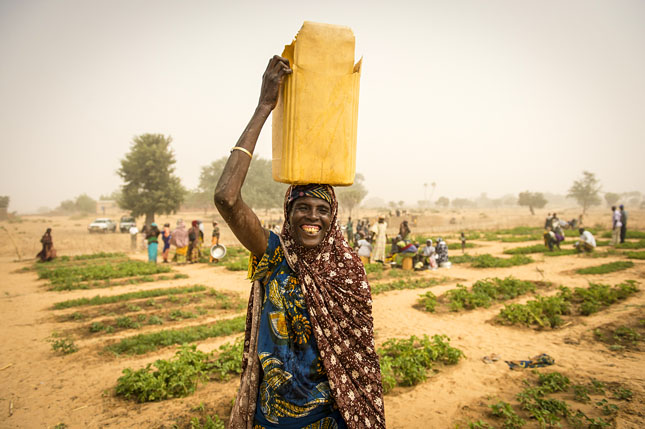
›April 22, 2016 // By Roger-Mark De SouzaThis Earth Day, the United States, China, and Canada are among more than 170 countries expected to take part in the largest one-day signing of an international agreement in history. The ratification of the climate agreement hammered out at the Paris Conference of Parties (COP-21) last December could be the most significant elevation of environmental issues on the global stage yet.
Showing posts from category featured.


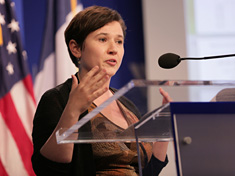 “Zika has made a long-standing public health crisis impossible to ignore,” says Chloë Cooney, director of global advocacy at the Planned Parenthood Federation of America, in this week’s podcast.