-
Report: Reducing Risks from Rapid Demographic Change
›October 27, 2016 // By Cara Thuringer
The world is undergoing a period of demographic transition which presents both opportunities and challenges for governments. A report by the Atlantic Council’s Mathew Burrows, formerly of the National Intelligence Council, Reducing the Risks from Rapid Demographic Change, examines the changes in population structures across high-, upper-middle-, lower-middle-, and low-income countries.
-
António Guterres and the Way Forward on Climate Change and Security
›On October 13, the United Nations General Assembly appointed Antonio Guterres as the next UN secretary-general. When the former prime minister of Portugal and high commissioner for refugees begins his term in January 2017, he will face a world of increasing climate and security crises. In a Wilson Center NOW interview and op-ed for The Daily Climate, Wilson Fellows Ruth Greenspan Bell and Sherri Goodman express optimism in Guterres’ ability to address these interconnected challenges and provide insight on the role of institutions like the United Nations in fighting climate change.
-
Necessity Is the Mother of Invention: Islands as the Vanguard of Climate Adaptation
›
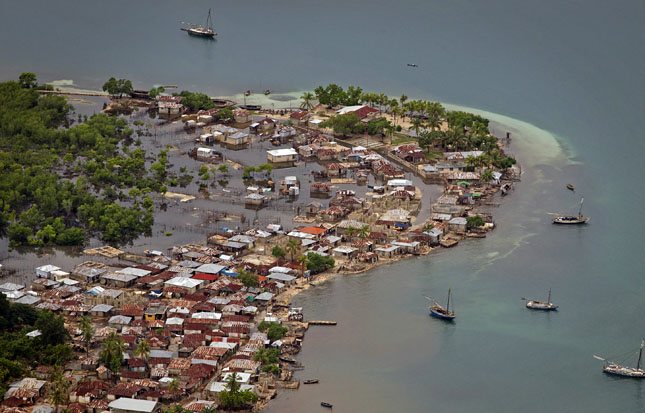
“Climate change is one of the greatest challenges of our time and it calls for a comprehensive and cooperative international approach like we’ve never seen,” said Jainey Bavishi, associate director for climate preparedness at the White House Council on Environmental Policy, at the Wilson Center on October 5. “The leadership of the island nations is essential; they punch well above their weight on this issue.”
-
Greener Ports for Bluer Skies in China
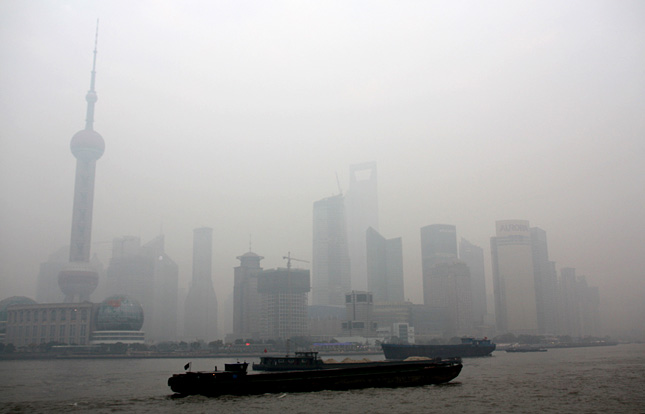
›If China is the globe’s most powerful manufacturing engine, the port of Shanghai is its fuel injection valve. This harbor is the world’s busiest, both in terms of tonnage and number of containers processed, allowing China to import the raw materials fueling its development and export the products that represent a significant share of the world’s economy.
-
Michael Kugelman Explains the Flare Up in India-Pakistan Water Tensions
›October 21, 2016 // By Schuyler NullLast month, India subtly warned that it could withdraw from the Indus Waters Treaty with Pakistan, one of the oldest and most significant water treaties in the world, because of a lack of “mutual trust and cooperation.” A week later, the Indian military launched a “surgical strike” across the Pakistani line of control in Kashmir against alleged terrorist camps.
-
As Ivory Becomes Bigger Issue, Environmental Peacebuilding Gaining Ground at IUCN World Congress
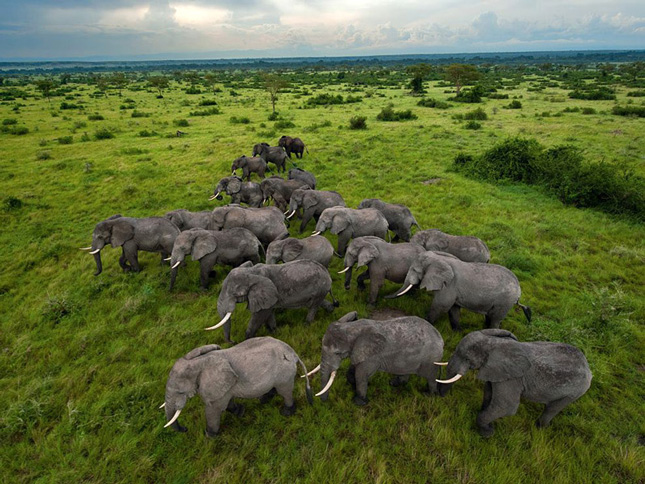
›A traditional conservation approach to climate change (e.g., habitat restoration, species protection) has been a primary tenet of the International Union for Conservation of Nature (IUCN) agenda for decades. But this fall at the quadrennial World Conservation Congress in Hawai’i there were new discussions about tackling climate change in the context of national security and environmental peacebuilding.
-
Preparing the Next National Climate Assessment: An Opportunity to Engage
›In 1990, the U.S. Congress passed the Global Change Research Act “to assist the Nation and the world to understand, assess, predict, and respond to human-induced and natural processes of global change.” Under this mandate, the U.S. Global Change Research Program (USGCRP) was born, an innovative, cross-cutting research initiative that brings together the science arms of 13 federal agencies working on global change issues, including the Departments of Agriculture, Interior, Energy, Defense, the Environmental Protection Agency, the National Oceanic and Atmospheric Administration, and others.
-
Student Activists Push Back Against Rising Tide of Municipal Waste in Rural China
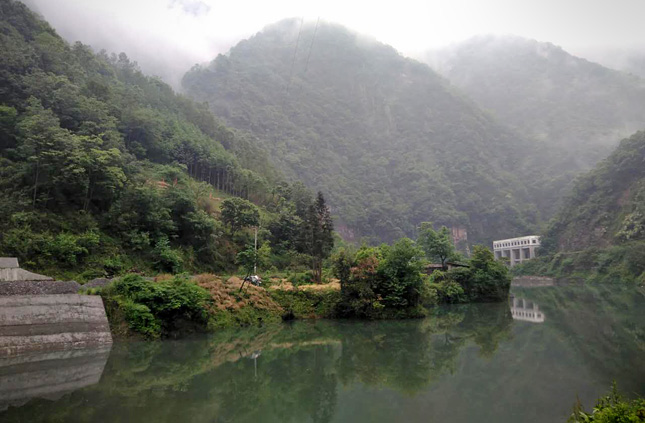
›Nestled in the mountains of western Sichuan Province sits the town of Piankou. Surrounded by three nature reserves that contain several hundred giant pandas, the landscape is undeniably beautiful. Rivers crash their way through rocky valleys framed by bamboo covered hills. But the scene was not always so tranquil.
Showing posts from category featured.