-
“You Are Asking About Pollution?”: One Journalist’s Perspective on the Mid East’s Environmental Crisis
›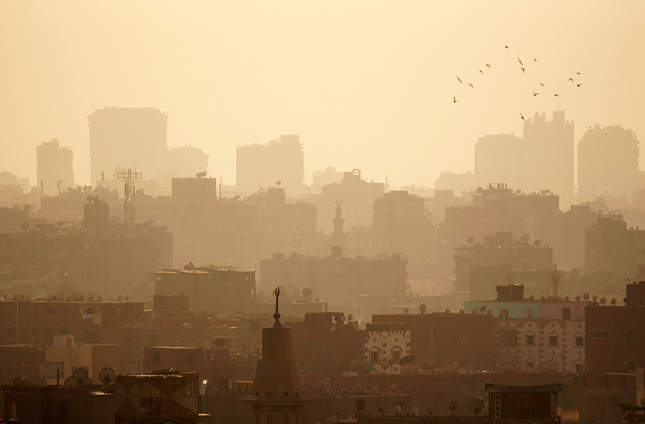
It was some point in May last year, shortly after ISIS surged into the city of Ramadi, and I was working on a story about Iraq’s fast-disappearing Mesopotamian Marshes. Keen to fact-check a few statistics with the Ministry of Water Resources and to hear the government line on the wetlands’ struggles, I dialed its Baghdad offices. After being passed from official to official like a hot potato, a young employee, Hussein, finally gave it to me straight. “No, no, we don’t have this sort of information,” he said, clearly impatient to get off the phone. “There are much more important things in Iraq right now.”
-
5 Insights and Recommendations for Loss and Damage at COP-22 and Beyond
›November 10, 2016 // By Roger-Mark De Souza
Over the past four years, I have been a member of the Resilience Academy, an initiative of the United Nations University, International Center for Climate Change and Development, and Munich Re Foundation bringing together thinkers from 29 countries to gather insight on climate change resilience and “loss and damage.” Loss and damage has many definitions, but broadly refers to the impacts of climate change that cannot be addressed via adaptation (adjusting to the effects) or mitigation (preventing them from happening at all).
-
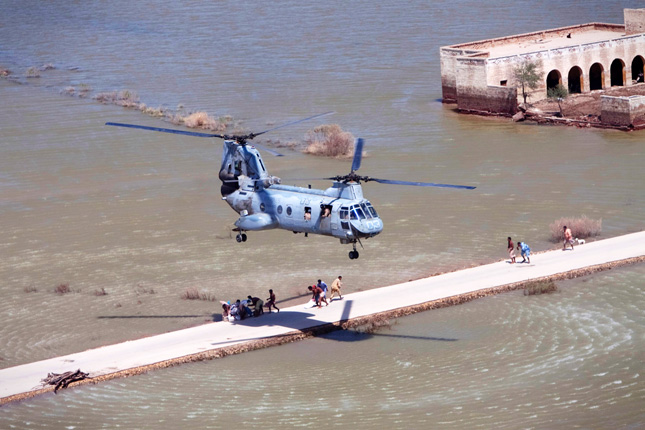
Strategic Ambiguity: How Loss and Damage Became a Part of Global Climate Policy
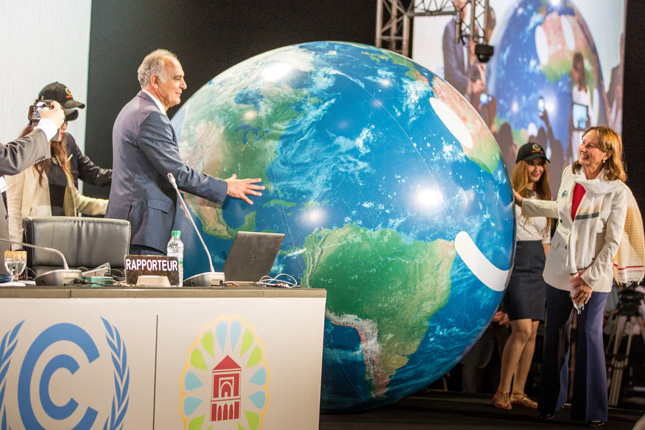
›As the international community meets in Marrakesh for the climate change negotiations at COP-22, one of the most delicate issues on the table is the review of what’s called the Warsaw International Mechanism for Loss and Damage, or WIM.
-
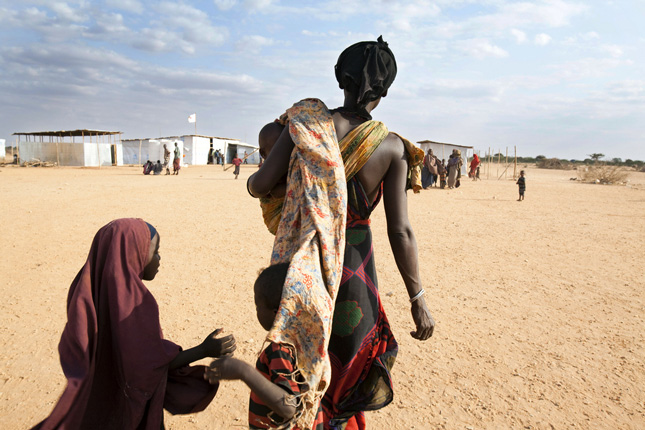
No Mother Left Behind: How Conflict Exacerbates the Global Maternal Health Challenge
›Since the end of World War II, the number of wars between states has declined significantly, but the number of intrastate civil conflicts – as seen in Syria and Afghanistan – has increased.
-
5 Focal Points for U.S. Global Water Strategy (And Submit Your Own Too)
›November 3, 2016 // By Ken ConcaHave something to say about the U.S. government’s approach to water around the world? Here’s your chance. The Department of State has issued a public call for comment on its global water strategy. An open session was held in Washington last Friday, but written comments can be submitted until November 12.
For inspiration, here are points made by our own (and American University’s own) Ken Conca, edited for space:
-
Could Climate Change Keep Kids Out of School? Q&A With Environmental Sociologist Heather Randell
›Education is seen as a key tool for building resilience to climate change in the developing world. But new research shows that climate change could also make it harder to keep kids in school and ensure they get the best out of their time in the classroom.
-
Climate Change, the U.S. Military, and “the Intersection of Politics and Events”
›November 1, 2016 // By Schuyler NullThere may not have been a single question about climate change in the 2016 presidential debates, but it remains a hotly contested, partisan issue for many in the United States. That climate change is happening and requires a response is not up for debate within the upper echelons of the U.S. military, however.
-
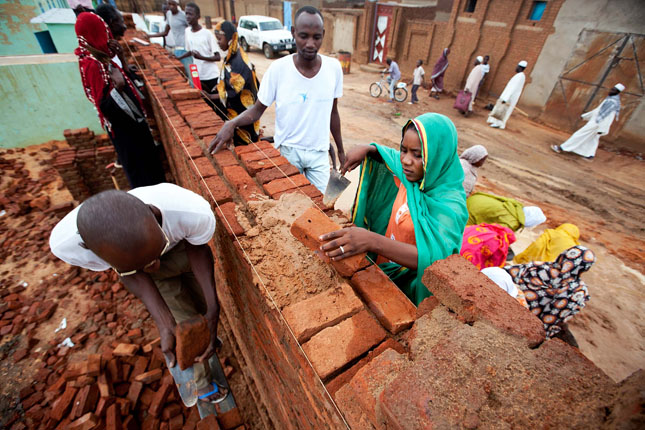
Resolution 2250 and the Role of Young People in Building Global Peace and Security
›Since its adoption in December 2015, United Nations Security Council Resolution 2250 on youth, peace, and security has been hailed as the first of its kind to recognize young people as meaningful drivers of change through its explicit encouragement of youth leadership at all levels of conflict prevention and peacebuilding. “It’s a testament to the fact that global youth today can have a real meaningful impact on the big issues of today, in the big arenas where discussions are happening,” said Andy Rabens, a special advisor on global youth issues for the U.S. Department of State, at the Wilson Center on October 6.
Showing posts from category featured.