-
Kathleen Mogelgaard on How Malawi Shows the Importance of Considering Population, Food, and Climate Together
›October 24, 2012 // By Carolyn LamereQuantifying the role population plays in food security is “an incredibly powerful piece of information,” said Kathleen Mogelgaard in an interview with ECSP. Malawi is a case in point.
Mogelgaard saw the connections between food, population, and climate change firsthand on a recent trip to the southeast African country, whose population of 15 million is largely dependent on subsistence, rain-fed agriculture. “One in five children in Malawi is currently undernourished,” Mogelgaard said, and climate change paints a bleak picture for the future.
-
Programmatic and Policy Recommendations for Addressing Obstetric Fistula and Uterine Prolapse
›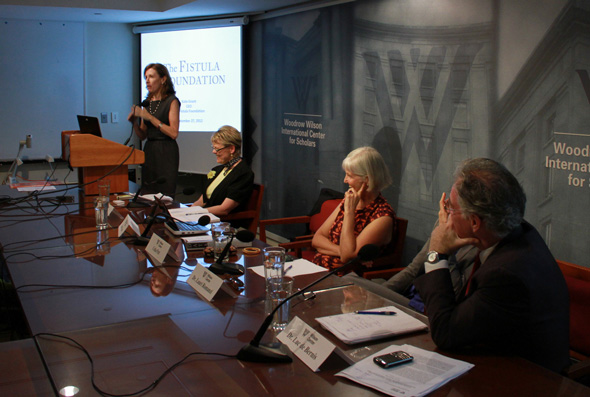
Obstetric fistula is “not just a medical issue, but a human issue,” said Dr. Luc de Bernis, senior maternal health advisor at UNFPA, during a September 27 panel discussion at the Wilson Center. Obstetric fistula, a hole in the birth canal that can develop between the vagina and the bladder and/or rectum during prolonged labor without proper medical intervention, is preventable and treatable but continues to affect more than two million women worldwide, mostly in developing countries where women lack access to cesarean services. Women stricken with it face severe pain and suffering, social stigmatization, and usually give birth to a stillborn child.
-
Who Are the Most Vulnerable to Ocean Acidification and Warming?
›In 2011, a record 34 billion cubic tons of carbon dioxide were emitted from man-made sources. Half the emitted CO2 stays in the atmosphere, about a quarter is absorbed on land (as trees grow, for example), and the remainder is absorbed by the ocean. Unsurprisingly, this incredible amount of carbon dioxide significantly changes the ocean environment. Over time, increased absorption of carbon dioxide in the oceans has led to ocean acidification, and overall warming has also led to warming of ocean waters – both changes impact marine ecosystems and the people who rely on them.
-
International Day of the Girl Child: Recognizing the Unique and Complex Vulnerability of Young Girls
›October 11, 2012 // By Schuyler NullToday is the first “International Day of the Girl Child” – a day established last year by the United Nations to acknowledge the rights and unique challenges faced by young girls around the world.
The latest UN projections put the number of women under the age of 19 at about 1.18 billion today. Especially in developing countries (though not only) these young girls often face outsized barriers to happy, healthy, and productive lives.
-
Containing a Development Flood: Green Urbanization in Asia
›
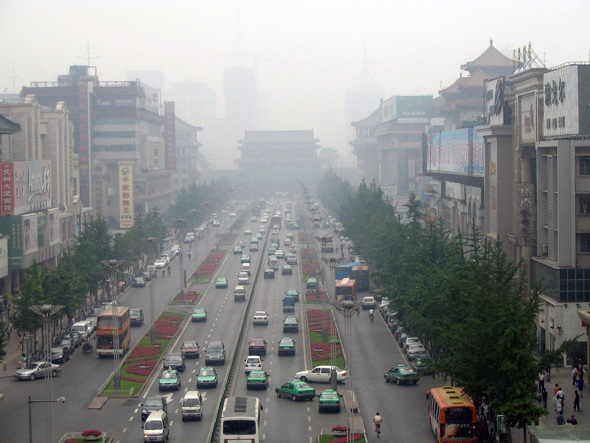
On April 1, 2012, a Chinese woman on her way to work suddenly felt the earth beneath her crumble and, in an instant, found herself plunging into an abyss of scalding hot water. The woman had unknowingly stepped into one of the many sinkholes appearing in China’s megacities. The emergence of sinkholes in China is part of a larger set of environmental issues related to rapid urbanization taking place in the Asia-Pacific region overall. [Video Below]
-
Immediate Action Needed for Gaza to be Livable in 2020, Says UN Report
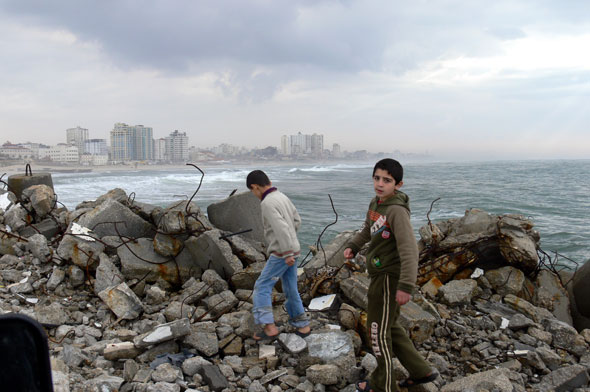
›October 3, 2012 // By Kate DiamondEight years from now, the Gaza Strip will have “virtually no reliable access to sources of safe drinking water, standards of healthcare and education will have continued to decline, and the vision of affordable and reliable electricity for all will have become a distant memory for most,” according to a United Nations report released last month. The bleak assessment concludes that without immediate action to address immense and interconnected economic, demographic, environmental, infrastructure, and social challenges facing Gazans, “the already high number of poor, marginalized and food-insecure people depending on assistance will not have changed, and in all likelihood will have increased.”
-
Maintaining the Momentum: Highlights From the 2012 London Summit on Family Planning
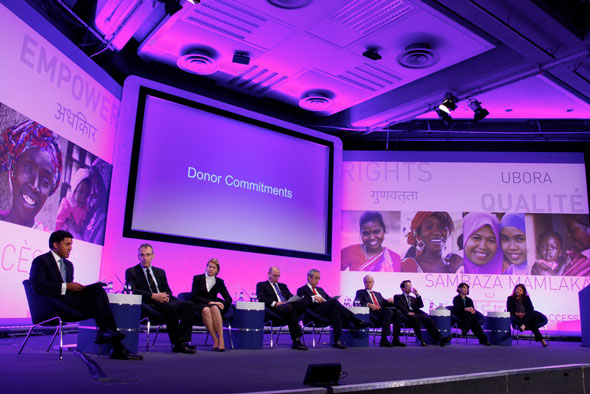
›This summer, 26 countries and private donors met at the London Summit on Family Planning to pledge $2.6 billion to expand family planning services to 120 million more women in the poorest countries around the world. But while the summit renewed focus on reproductive health with its ambitious target, “we’re now at that point where we have to really sit down and work through” how to achieve that goal, said Julia Bunting of the UK’s Department for International Development at the Wilson Center on September 17. [Video Below]
-
Water and Land Conflict in Kenya in the Wake of Climate Change
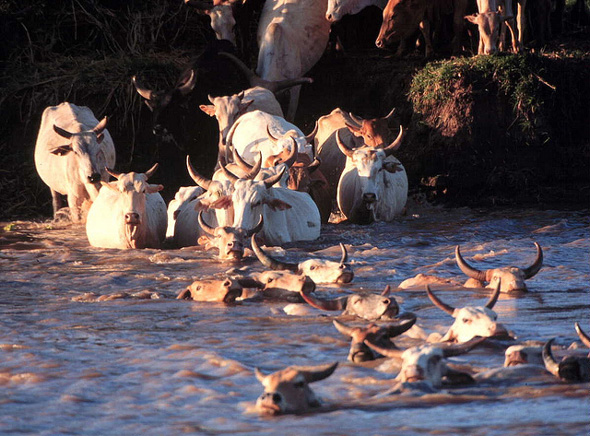
›Earlier this month, there was a flurry of stories about brutal mass killings in clashes between the Pokomo and Orma communities over water and land in southeast Kenya’s Tana River County. The Kenyan media reported that about 30 people, including eight security personnel, had been killed and scores wounded, and reports on the death toll since last month are more than 100.
Showing posts from category featured.