-
Planning for Complex Risks: Environmental Change, Energy Security, and the Minerva Initiative
›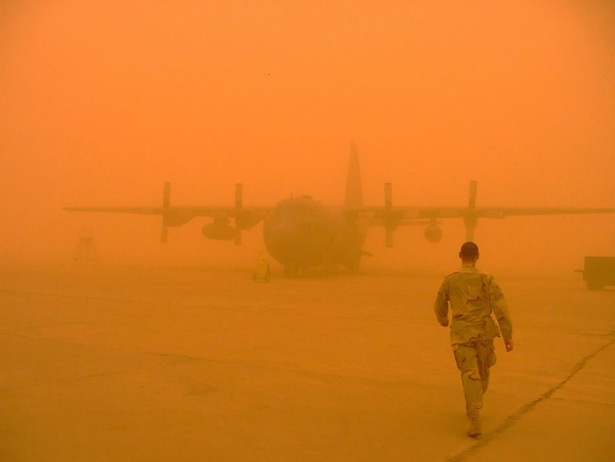
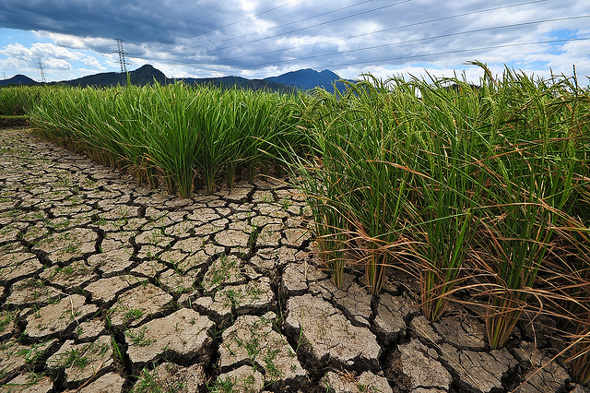
2012 witnessed a remarkable number and extremity of environmental conditions, from Hurricane Sandy and the U.S. drought to wildfires in Siberia and drought-driven blackouts in India. Arctic sea ice melted to its furthest extent in recent history. The energy landscape continued to change as well, from the launch of the U.S. Navy’s Great Green Fleet to the first liquefied natural gas shipments across the Arctic. As President Obama clearly stated in his second inaugural address, climate change is heightening both our risks and the need to respond, but tying together all of these issues is a highly complex endeavor.
-
Migration Flows, New Growth Demand New Ways to Do Urban Development
›
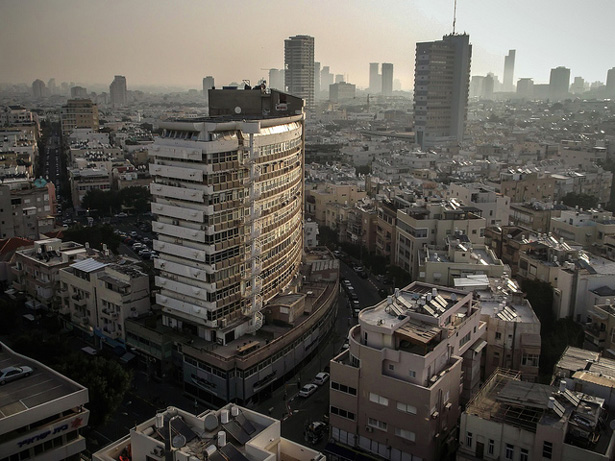
A majority of the world population now lives in urban settings, but many of the most rapidly growing cities are unprepared to accommodate their new citizens. Newly swollen municipalities in poor and institutionally fragile countries are especially disadvantaged by poor planning and management, deficient public services, and citizen insecurity.
-
Super Typhoon Bopha Shows Why Developing Countries Are Most Vulnerable to Climate Change
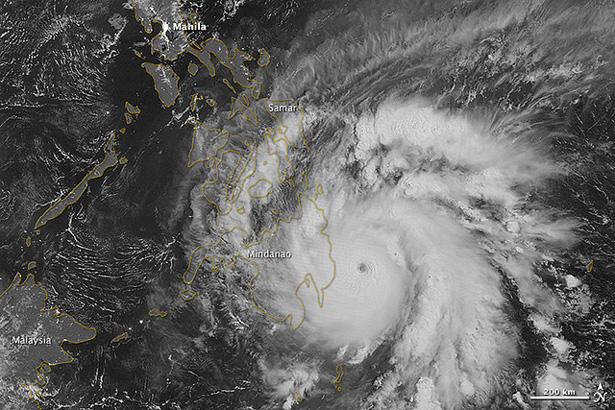
›January 15, 2013 // By Carolyn LamereIf Hurricane Sandy was a wake-up call for many in the United States to the kind of extreme weather that climate change is expected to bring, Typhoon Bopha, which struck the Philippines a month later, is a reminder of what makes developing regions even more vulnerable to these changes.
-
Measuring Sustainable Development in Ethiopia’s Guraghe Zone
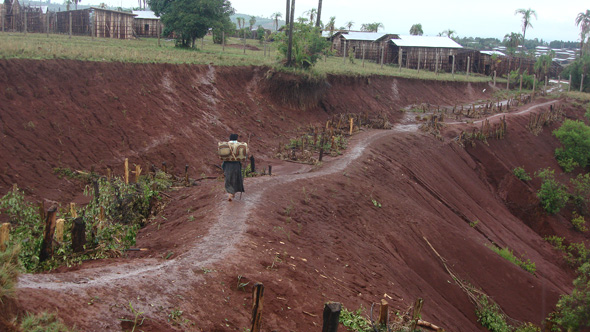
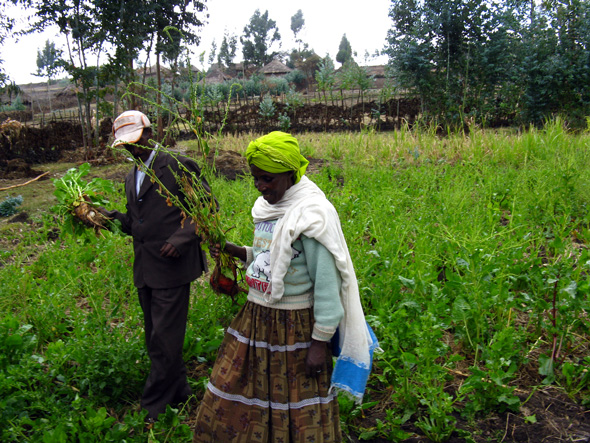
›Despite progress over the years, Ethiopia’s Guraghe zone, located in the Southern Nations, Nationalities, and People’s Region, faces many development challenges. As senior monitoring and evaluation officer in the Guraghe People’s Self-help Development Organization (GPSDO), I have been working in this region for more than five years trying to reduce poverty and improve socio-economic development. The organization as a whole has been here for more than 50.
-
Five Questions for Population, Health, and Environment Projects in Ethiopia
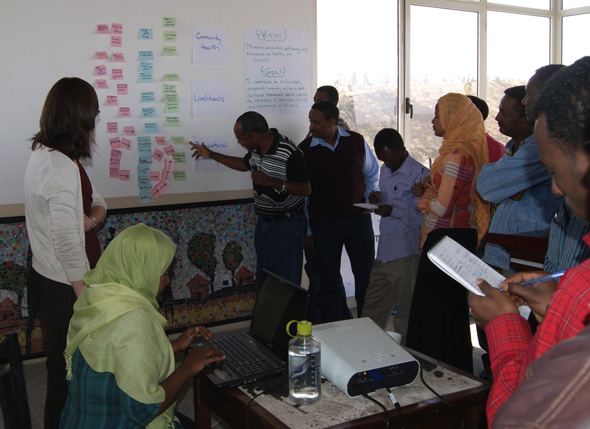
›Since the integrated population, health, and environment (PHE) approach is relatively new in international development, donors, partners, and implementers want to know how it’s improving people’s lives. In the PHE community, we believe that combining efforts to address natural resource management, reproductive health, and livelihoods is making a difference in places where rapid population growth combines with poverty and environment degradation. But to know for sure and be able to convince others, we need to have data to support those beliefs.
-
Stronger Evidence Base Needed to Demonstrate Added Value of PHE
›It is well known that public health issues that affect the world’s most vulnerable populations – food insecurity, maternal and child health, water- and sanitation-related disease, and resource scarcity – are inextricably linked. Where these linkages are strongest, experience on the ground has shown that community-based integrated approaches to development provide more effective and sustainable solutions over vertical, sector-based programs. But so far, there are very few comprehensive evaluations providing strong quantitative evidence of this advantage.
-
How Does Climate Change Figure Into the Feed the Future Initiative?
›January 7, 2013 // By Kathleen Mogelgaard1.8 million food producers using improved technologies or management practices. Nearly 9 million children reached through nutrition programs. 2.4 million hectares under improved technologies or management practices. New mechanisms for donor coordination. A forward-looking agricultural research agenda. Innovative private-sector partnerships to support smallholder farmers. These are among the successes reported for the first three years of Feed the Future, the U.S. government’s new global hunger and food security initiative.
-
Tapping the Potential of Displaced Young People in Urban Settings
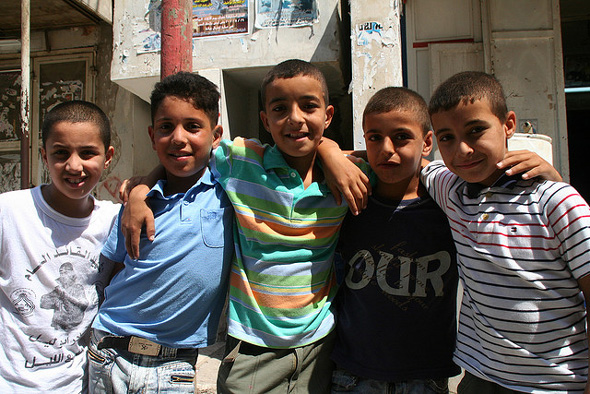
›“When young people claim their right to education and health – including sexual and reproductive health – they increase their opportunities to become a powerful force for economic development and positive change,” said Nicole Gaertner, of UN Refugee Agency and the U.S. Department of State, quoting Secretary of State Hilary Clinton at the Wilson Center on December 13. [Video Below]
Showing posts from category featured.