-
Strengthening Responses to Climate Variability in South Asia
›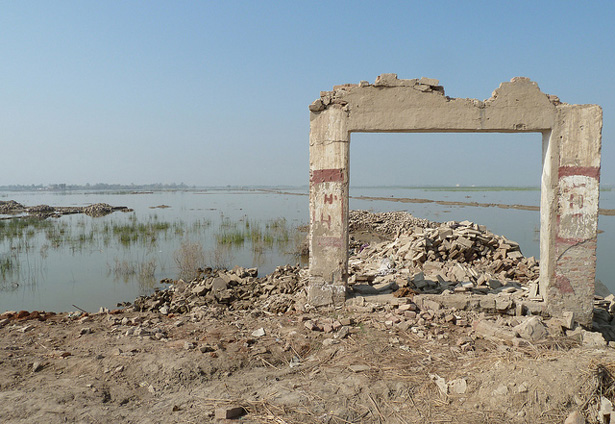
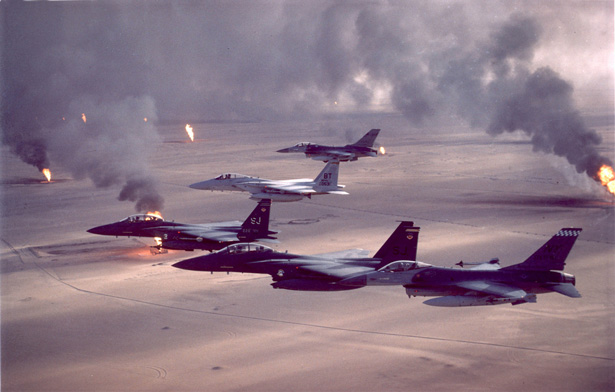
Climate change and conflict can create a self-reinforcing feedback loop: Climate change exacerbates existing conflicts, while conflict makes adapting to climate change more difficult, said Janani Vivekananda of International Alert at the Wilson Center on February 7. [Video Below]
-
Mapping China’s Massive West-East Electricity Transfer Project [Infographic]
›
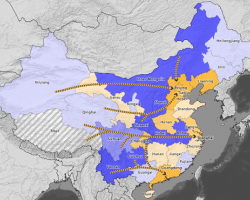
The Wilson Center’s China Environment Forum is proud to announce that we are launching our first interactive infographic: a map of China’s West-East Electricity Transfer Project. The map underscores China’s energy and water imbalances and the looming choke point China faces in terms of water, food, and energy security. The map also illustrates how consumer goods made in China’s factories along its eastern coast are powered by coal and hydropower in the country’s western provinces.
-
Avoiding the Resource Curse in East Africa’s Oil and Natural Gas Boom
›This year, Texas-based Anadarko and Italian partner ENI are due to make the final investment decision on whether to construct one of the largest liquefied natural gas facilities in the world in Mozambique. The complex would allow them to tap into deep off-shore gas fields that could rival Australia and Qatar as the largest liquefied natural gas reserves in the world.
-
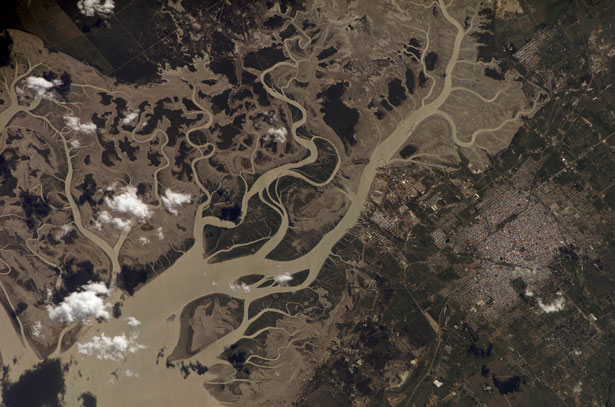
A Year for Cooperation, Not Conflict, Over Water
›February 12, 2013 // By Kate DiamondYou might think that conflict over water is inevitable as rising temperatures and changing climates are expected to constrain supplies in the coming decades at the same time that expanding consumption standards and growing populations are expected to boost demand. But you’d be wrong, according to the United Nations – and they’re launching the International Year for Water Cooperation this week to make that point.
-
Environmental Journalists Discuss the Year Ahead in Energy and Environment News
›Environmental desks at newspapers around the world may be on the defensive, but the stories are only getting bigger. On January 25, six environmental journalists from Bloomberg, EnergyWire, Public Radio International, the Associated Press, and the Yale Forum on Climate Change and the Media gathered at the Wilson Center for a panel cosponsored by the Environmental Change and Security Program and the Society of Environmental Journalists to discuss what to watch for in the coming year, from President’s Obama’s mention of climate change in his inaugural address to the prospects of shale gas and the Keystone XL pipeline. [Video Below]
-
Fishing for Families: Reporting on Population and Food Security in the Philippines
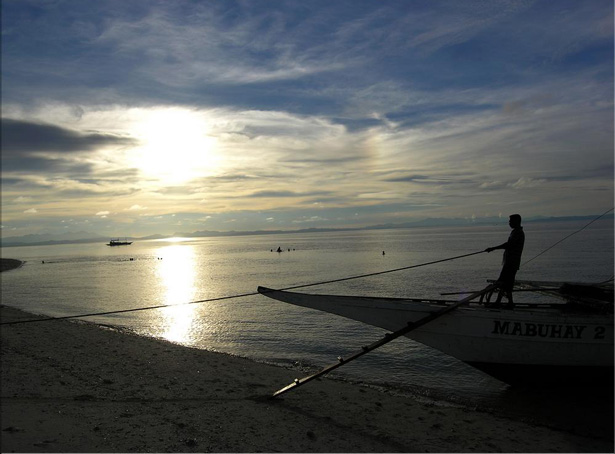
›“My income is just right to feed us three times a day,” Jason Bostero told Sam Eaton in the rural Philippine village of Humayhumay. “It’s really, really different when you have a small family.” Eaton traveled to the Philippines to report on the connections between food security and population for Homelands Productions, creating a short film and radio piece that ran on NewsHour and Marketplace as part the Food for Nine Billion series last year. [Video Below]
-
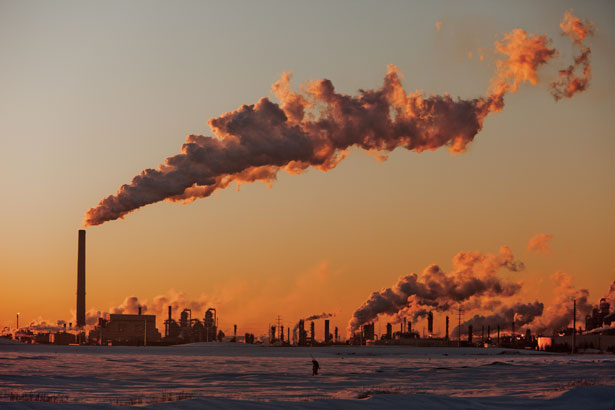
When Does Oil Cause War? Petro-Aggression and Revolutionary Governments
›One year ago, the United States government froze all property of the Central Bank of Iran and other Iranian financial institutions within the United States. The move was part of a broader effort to compel the Islamic Republic to give up its alleged nuclear weapons program. How is it working out?
-
Setting Development Goals for Population Dynamics and Reproductive Rights
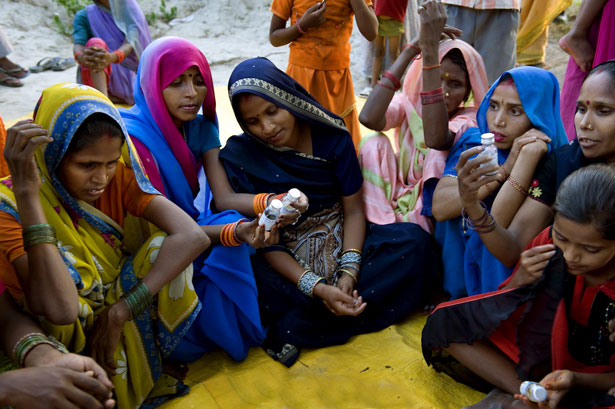
›“I’d like to start by stating emphatically that since addressing global inequality and inequity are our overall principles in revising the MDGs [Millennium Development Goals], we must focus on health inequities to have a meaningful and lasting impact on human development,” said Beth Schlachter of the State Department’s Bureau of Population, Refugees, and Migration, speaking at the Wilson Center on January 9. “And for the most vulnerable – women and girls – that means we must focus on sexual and reproductive health and reproductive rights.” [Video Below]
Showing posts from category featured.