-
In Uganda, Integrating Population, Health, and Environment to Meet Development Goals
›
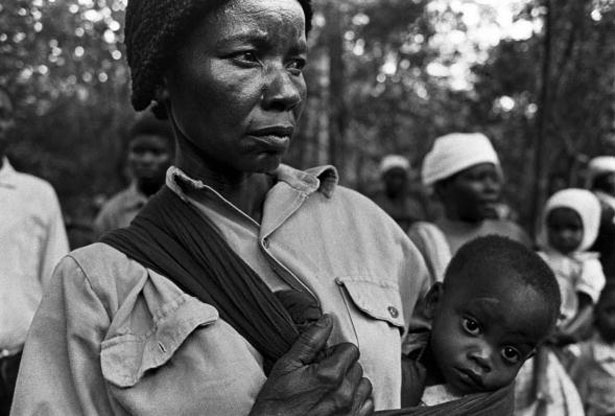
Fifty years after independence, Uganda has one of the highest population growth rates in the world at 3.3 percent – a rate which puts the country on track to nearly double in population over the next two decades. More than 50 percent of the population is under the age of 18. This large youth cohort will ensure that the country continues to grow for decades to come, even if couples choose – and are able – to have smaller families. And according to the State of Uganda Population Report 2011, “with more than one million people added to the population every year, the quality of [health] service delivery will suffer.”
-
Aqueduct Water Risk Atlas Shows Detailed View of Global Water Vulnerability
›
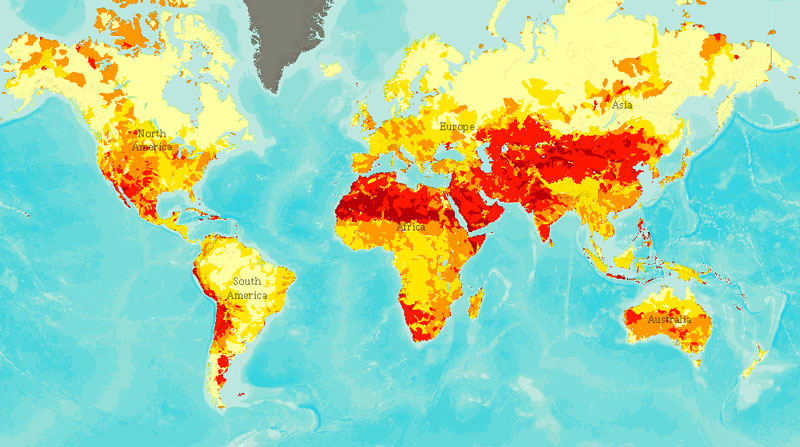
As world population pushes towards nine billion by mid-century and millions are elevated to the global middle class every year, demand for water continues to grow as well. More people need more water for drinking and household use, but also for agriculture, mining, energy, and industry. With water often cited as a limit to growth and potential crisis point, the World Resources Institute has released the Aqueduct Water Risk Atlas, which details various types of water stress around the world in impressively detailed fashion.
-
International Women’s Day: Violence Pervasive, With Wide-Ranging Effects
›March 8, 2013 // By Kate DiamondThe theme of this year’s International Women’s Day is “a promise is a promise: time for action to end violence against women.” The theme reflects that although there are a number of treaties and conventions that on paper promise to protect women’s rights, equality, and security, in reality, those promises to protect human rights have been broken time and again.
-
Breaking Out of the Green House: Indian Leadership in Times of Environmental Change (Book Preview)
›The 2009 Copenhagen summit was a watershed moment in the history of climate change negotiations, especially from an Indian perspective. Brazil, South Africa, India, and China – the “BASIC” group – asserted their position, which led to a virtual collapse in talks, ostensibly marking the ascent of the global “south” and relative descent of the “north.”
-
Goldilocks Had It Right: How to Build Resilient Societies in the 21st Century
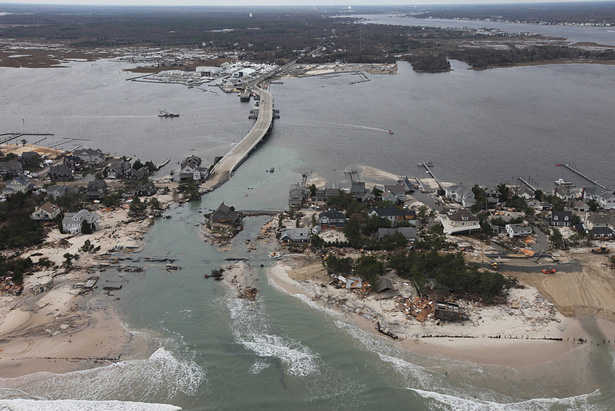
›March 5, 2013 // By Laurie MazurWhen Superstorm Sandy slammed into the U.S. East Coast last October, it was the latest in a series of “teachable moments” about our growing vulnerability to climate change.
-
What Could Sequestration Mean for U.S. Development and Diplomacy?
›February 28, 2013 // By Schuyler NullNewly minted Secretary of State John Kerry would probably prefer his first few months on the job to be a little quieter. But – in addition to everything else – sequestration is bearing down on Washington this week, and the U.S. government is beginning to seriously take stock of what automated cuts might mean. The Department of State and the U.S. Agency for International Development (USAID) are not spared. Kerry sent a letter earlier this month to Senate Appropriations Committee Chairwoman Barbara Mikulski (D-MD) outlining the projected effects for his charges if the March 1st deadline should pass without action.
-
Cleo Paskal and Uttam Sinha on the Geopolitical Implications of Climate Change for India and China
›India and China – “the two most important countries going forward in this century” – will both experience domestic concerns as a result of environmental change, but they are responding very differently, said Cleo Paskal, an associate fellow at Chatham House, in an interview with the Environment, Conflict, and Cooperation (ECC) Platform.
-
The Other Migration Story in Mexico: Climate Change
›The conversation around immigration and Mexico has long been tied to the United States and the prevailing economic conditions in both countries. But a new report from the Royal United Services Institute argues that as temperatures rise and precipitation patterns change over the course of the next century, climate too will increasingly become a driver of both internal and international migration in Mexico. [Video Below]
Showing posts from category featured.