-
‘National Geographic’ Reports on “Water Grabbers” From Mali to India
›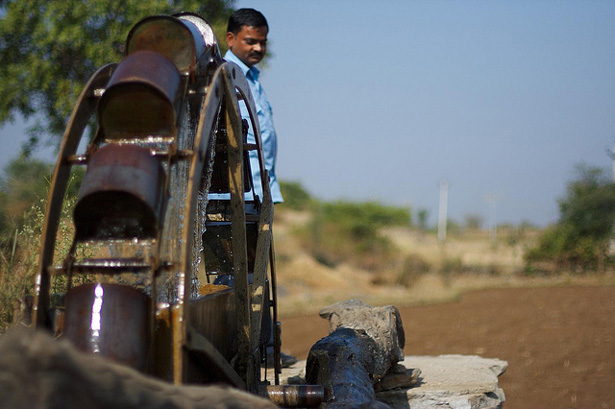
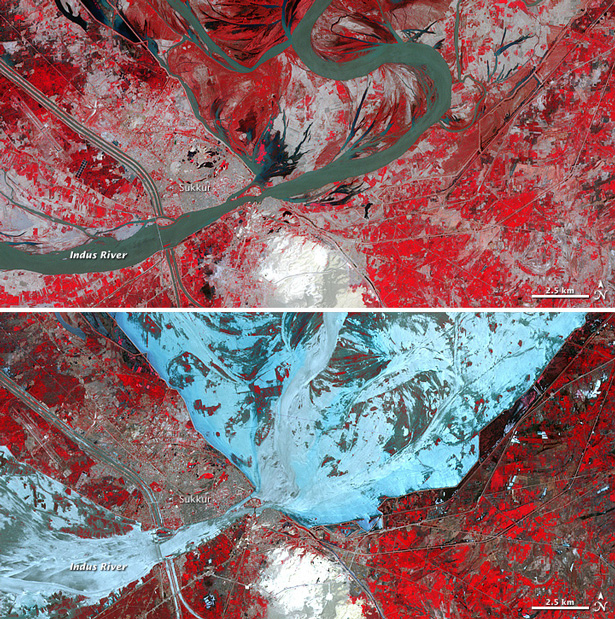
Much ink has been spilled on the growing trend of global land grabs – land purchased en masse in developing countries like Ethiopia by foreigners mainly for agricultural export. But along with land, investors often also gain the right to use local water, and sometimes with little consideration for local livelihoods. Fred Pearce recently looked into these “water grabs” in a series for National Geographic.
-
Demographic and Environmental Dynamics Shape ‘Global Trends 2030’ Scenarios
›
“However rapid change has been over the past couple decades, the rate of change will accelerate in the future,” states the newest quadrennial report from the National Intelligence Council (NIC), Global Trends 2030: Alternative Worlds. Released late last year, the report identifies the “game-changers, megatrends, and black swans” that may determine the trajectory of world affairs over the next 15 years, including demographic dynamics and natural resource scarcity. [Video Below]
-
World Water Day Focuses on Cooperation in the Face of Growing Stress
›March 22, 2013 // By Schuyler NullCooperation, not conflict; that’s the theme of this year’s World Water Day. Collaboration over water has been the rule rather than the exception over the past 70 years, UNESCO explained in the launch of their International Year for Water Cooperation initiative earlier this year (which the rest of the UN is thoughtfully supporting).
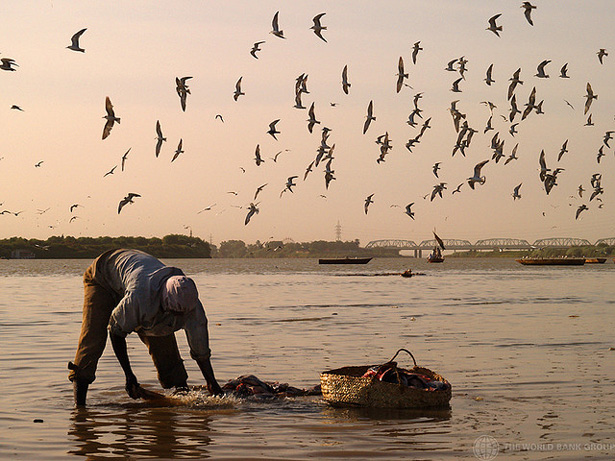
But the fact that there’s need for such an initiative shows that water conflict and other water issues are not far from the minds of global policymakers. Scarcity, drought, climate change, food security, disease – water impacts people and their governments in so many ways. Here’s a rundown of some of our best related posts.
-
Paradigm Shift in Chinese Environmental Sector Needed, Says Activist Wang Canfa
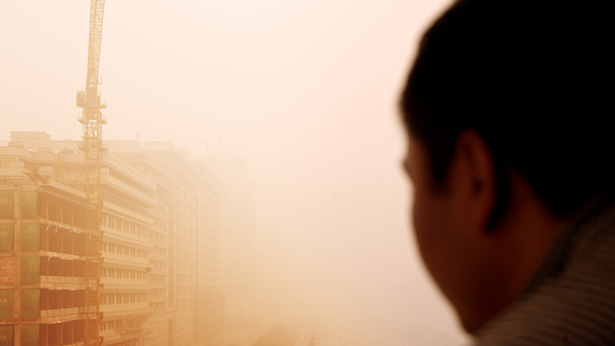
›A well-known Chinese proverb describing the relationship between the central government in Beijing and its people says, “Heaven is high and the emperor is far away” (天高皇帝远, tian gao, huang di yuan). It’s not too far of a stretch to apply the same proverb to the current state of China’s environment sector, where relatively strong pollution control laws are poorly enforced on the ground.
-
UNEP Highlights Environmental Impacts on Health in Africa
›March 20, 2013 // By Carolyn LamereWhile it can be convenient to think of human health and the environment as unrelated silos, they are in fact closely related. The United Nations Environment Program (UNEP) recently released a report underscoring this point especially for Africa, where large numbers of people are directly reliant on natural resources for their livelihoods.
-
East Asia’s Many Maritime Disputes and the Imperative of Energy Access
›Friction between Japan and China in the East China Sea has escalated this year to the point where jets on both sides have been scrambled and Chinese military vessels have locked their fire control radar onto their Japanese counterparts multiple times. The source of this tension is the Senkaku (as they are known in Japan) or Diaoyu (if you’re in China) Islands – specifically, who owns them.
-
Urban Health and Demography Trends: More Cities, More Problems?
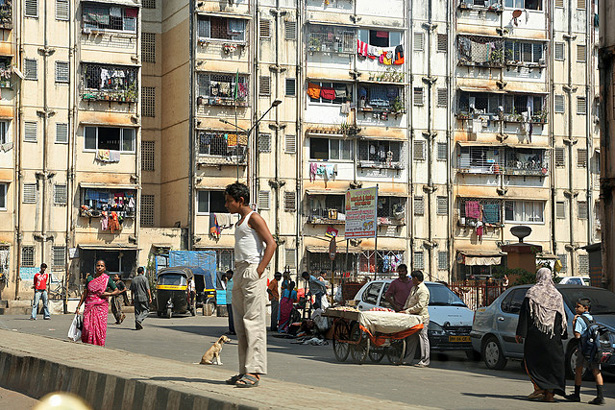
›Some 52 percent of the world’s population lives in cities, a proportion that will only grow throughout the next few decades. Understanding the health challenges facing urban residents is crucial for those who seek to improve human health, especially since many of these challenges differ from those facing inhabitants of rural areas, where global health resources have traditionally been concentrated. At a private meeting on March 4 at the Wilson Center, experts described how factors ranging from climate change and greenhouse gas emissions to reproductive health and rights impact urban health.
-
Demographic Dividend and the Rise of the Global South
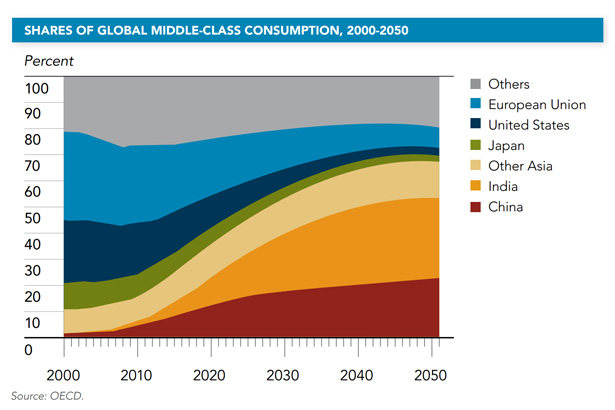
›The Global South is “radically reshaping the world of the 21st century, with developing nations driving economic growth, lifting hundreds of millions of people from poverty, and propelling billions more into a new global middle class,” says the United Nations Development Program’s (UNDP) 2013 Human Development Report, released yesterday. “More than 40 developing countries have made greater human development gains in recent decades than would have been predicted.”
Showing posts from category featured.