-
Maternal Health in India: Making Progress in a Key Arena
›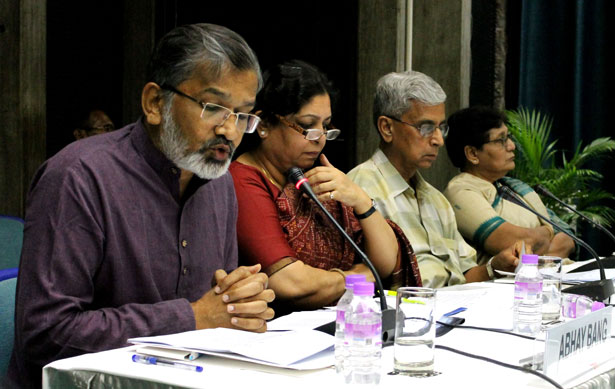
Maternal mortality causes 56,000 deaths every year in India, accounting for 20 percent of maternal deaths around the world, said John Townsend, vice president and director of the Population Council’s reproductive health program. It is a key battleground for maternal health advocates. But maternal health is sometimes eclipsed by other major health and development issues on the sub-continent. For example, nearly five times as many people suffer from HIV/AIDS and more than 400 million people live on less than $1.25 a day. [Video Below]
-
Wilson Center Premieres ‘Healthy People, Healthy Environment’ and ‘Transcending Boundaries’ at Environmental Film Festival
›Environmental security and international development aren’t typical movie-going fare, but at the 2013 DC Environmental Film Festival, ECSP premiered two short documentaries with unique environmental stories: Healthy People, Healthy Environment: Integrated Development in Tanzania shows how improving health services and environmental conservation can empower coastal communities in Africa; and Transcending Boundaries: Perspectives from the Central Albertine Rift Transfrontier Protected Area Network explores the opportunities for “peace parks” along the shared borders of Uganda, Rwanda, and the Democratic Republic of Congo.
-
Once-in-a-Species Opportunity: For a World Free of Poverty, Seize the Demographic Dividend in Africa
›April 11, 2013 // By Laurie MazurA world “free from the stain of poverty” is within our grasp, declared World Bank President Jim Yong Kim in a speech at Georgetown University last week. Kim then announced a plan to virtually eradicate extreme poverty by 2030.
-
Can Coffee Make Yunnan a Model for Chinese Agricultural Reform?
›
Yunnan province is a microcosm of the intertwined natural resource challenges facing China. Dams, development, deforestation, drought, and climate change threaten China’s most biodiverse province – all while it increases its exports of agricultural products and electricity to China’s coastal provinces. These competing demands bring into question the sustainability of China’s development paradigm and the country’s environmental security.
-
Bouncing Back: How Do Population Dynamics and Social Cohesion Affect the Resilience of Societies?
›“The scale and the impact of disasters today can be greater than anything we’ve previously experienced,” said Laurie Mazur at the Wilson Center on March 18. “The proliferation of disasters has gotten a lot of people talking about resilience, about how we can lessen our risk and how we can recover more quickly from disasters of all kinds.” [Video Below]
-
New Partnerships for Climate Change Adaptation and Peacebuilding in Africa
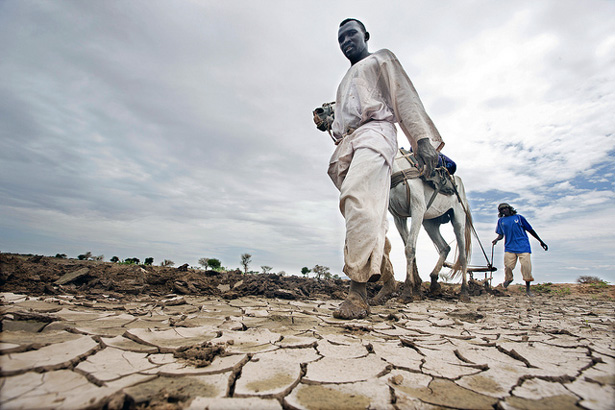
›“There is a huge gap between climate science, policymakers, and the end-users, in terms of understanding climate change and adaptation, and how that relates to conflict or peace,” concluded 26 experts from more than 10 countries across sub-Saharan Africa at the Wilson Center last fall. But “climate change adaptation is crucial to achieving Africa’s aspirations for peace, security, and sustainable development.”
-
On Building a Better (and More Resilient) World: Complexity, Community, and the Precautionary Principle
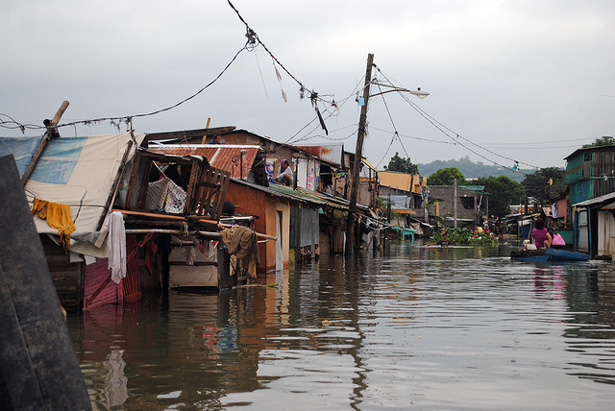
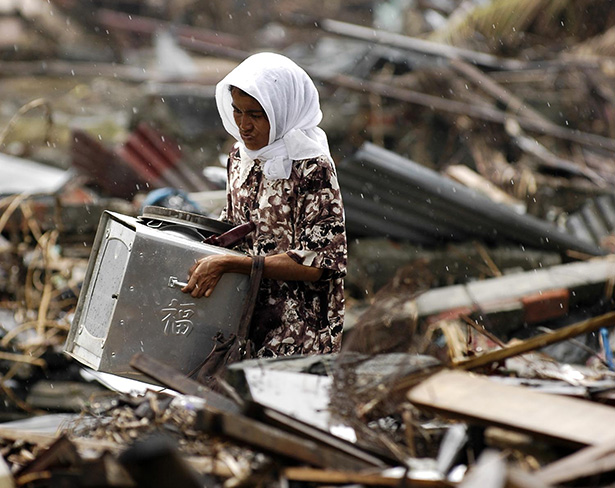
›April 3, 2013 // By Laurie MazurFrom the 2004 Indian Ocean tsunami to Superstorm Sandy, the last decade has seen an incredible array of natural disasters. Of course, disasters of all kinds are nothing new, but, thanks to the growing scale and interconnectedness of the human enterprise – and the damage we have done to the natural world – the frequency, scale, and consequences of today’s calamities are truly without precedent.
-
After Cyclone Haruna, Blue Ventures Leverages Its PHE Program for Disaster Response in Madagascar
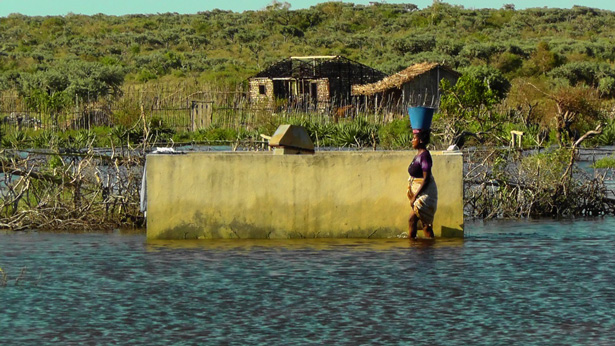
›Balbine is moving through her coastal village of Andavadoaka with a sense of urgency. Normally she works as a community-based distributor for Blue Ventures’ integrated population, health, and environment (PHE) program in southwest Madagascar, providing health information and products to her community. However, since Cyclone Haruna swept through the region several weeks ago, Balbine has been especially busy distributing diarrhea treatment kits to mothers caring for sick infants, providing families sleeping out in the open with mosquito nets to protect against malaria, setting up water filtering stations, and emphasizing the importance good hygiene practices.
Showing posts from category featured.