-
Protecting Parks, Empowering People: Innovative Conservation and Development Projects in Mozambique and Zambia
›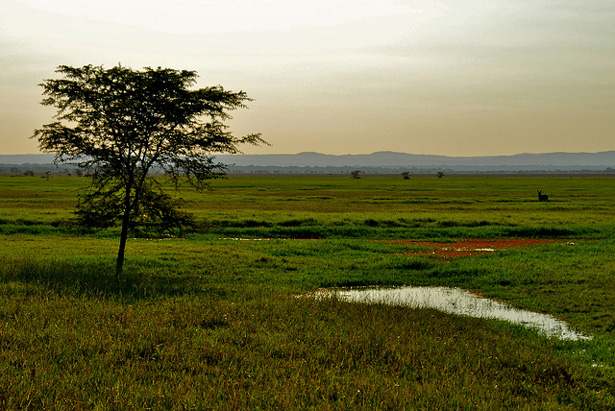
Wildlife areas and parks are designed to preserve plant and animal life in biological hotspots, but what about the people who live nearby these hotspots? In many parts of East Africa, communities press right up against park boundaries and people have few alternatives but to draw on the natural resources of protected areas. Conservation efforts depend on these communities’ cooperation and the sustainability – both environmentally and economically – of their livelihoods. [Video Below]
-
Looking Back to Get Ahead: FEMA’s Strategic Foresight Initiative on Natural Disaster Preparedness
›
Natural disasters have dominated news coverage in the past several years, with many observers noting a distressing rise in the frequency and scale of disasters as well as rising costs. Despite these worrying trends, a critical mass of leadership and public support for doing something about it is emerging.
-
Putting Mali Back Together Again: An Age-Structural Perspective
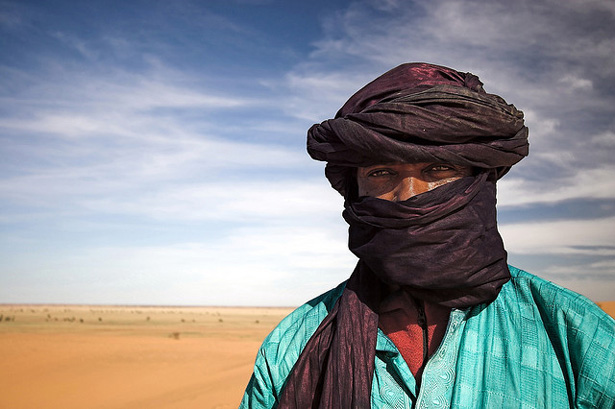
›May 9, 2013 // By Richard CincottaOnce considered a model for Sahelian democracy, Mali’s liberal regime (assessed as “free” in Freedom House’s annual survey of democratic governance continuously from 2000 to 2011) virtually disintegrated in March 2012 when a group of junior army officers, frustrated by the central government’s half-hearted response to a rebellion in the state’s vast northern tier, found themselves – somewhat accidently – in control of the state.
-
What Rights? New York Times’ Discussion of Egypt’s Population Policy Incomplete
›The New York Times had a front-page story on Egypt’s population policy last week; unfortunately it wasn’t a sterling example of how to report on this tricky issue and left out a key part of the story – the important role of family planning in ensuring human rights, especially for women.
-
What Does It Take to Cooperate? Transboundary Water Management Around the World
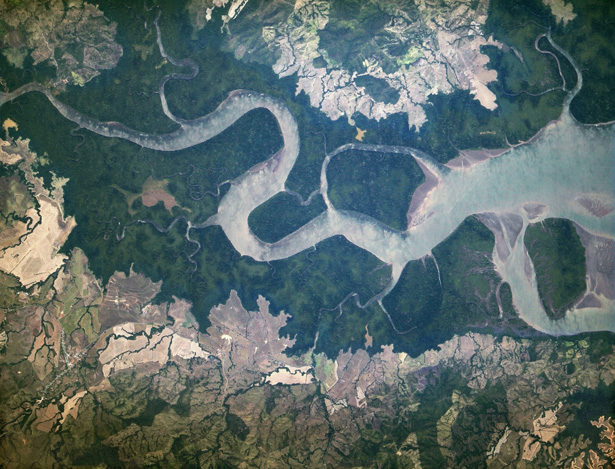
›Water is the foundation of human society and will become even more critical as population growth, development, and climate change put pressure on already-shrinking water resources in the years ahead. But will this scarcity fuel conflict between countries with shared waters, as some have predicted, or will it create more impetus for cooperation?
-
Lessons From Kenya and Malawi on Combining Climate Change, Development, and Population Policy
›“The combined effects of rapid population growth and climate change are increasing food insecurity, environmental degradation, and poverty levels in Malawi and Kenya,” said Clive Mutunga, a senior research associate at Population Action International (PAI).
-
Band of Conflict: What Role Do Demographics, Climate Change, and Natural Resources Play in the Sahel?
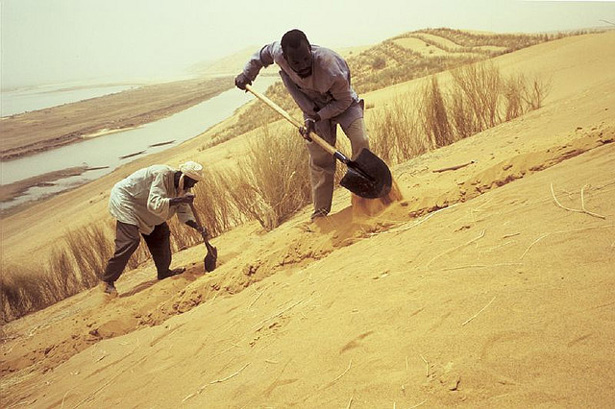
›Stretching across northern Africa, the Sahel is a semi-arid region of more than a million square miles covering parts of nine countries. It is home to one of the world’s most punishing climates; vast expanses of uncharted and unmonitored desert; busy migration corridors that host human, drug, and arms trafficking; governments that are often ineffective and corrupt; and crushing poverty. It is not surprising then that the area has experienced a long history of unrest, marked by frequent military clashes, overthrown governments, and insurgency.
-
Petro-Aggression: When Oil Causes War
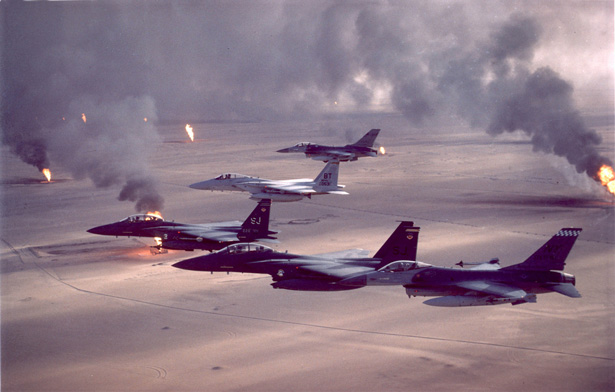
›One year ago, the United States government froze all property of the Central Bank of Iran and other Iranian financial institutions within the United States. The move was part of a broader effort to compel the Islamic Republic to give up its alleged nuclear weapons program. How is it working out?
Showing posts from category featured.