-
China’s Environmental Crisis Through the Lens: Interview With Photojournalist Sean Gallagher
›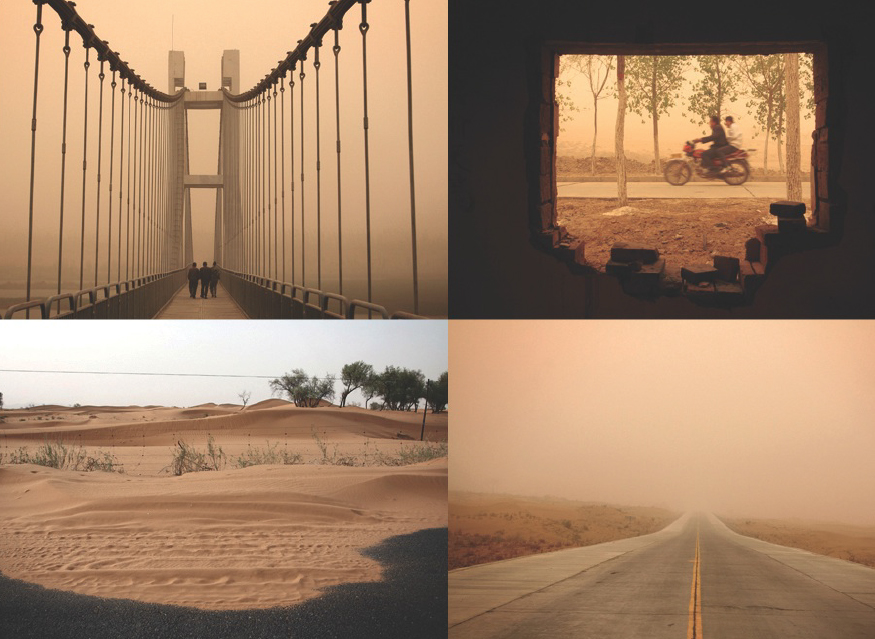
China is one of the world’s 12 “mega-biodiversity” countries, but its incredible natural landscapes, from Sichuan’s sparkling, turquoise-colored lakes to Guilin’s dramatic karst topography, are bearing the cost of rapid economic development, writes British environmental photojournalist and videographer Sean Gallagher in a new multimedia e-book.
-
Religion and Reproductive Rights: Looking For Common Ground
›
More than 84 percent of the 2010 world population – 5.8 billion people – consider themselves religiously affiliated, according to a recent study. Religious leaders can therefore have significant influence across a broad range of social, economic, and political issues. Perhaps nowhere is that influence felt more strongly than in debates about reproductive health and rights, and perhaps nowhere are the consequences so large than in poor and marginalized communities.
-
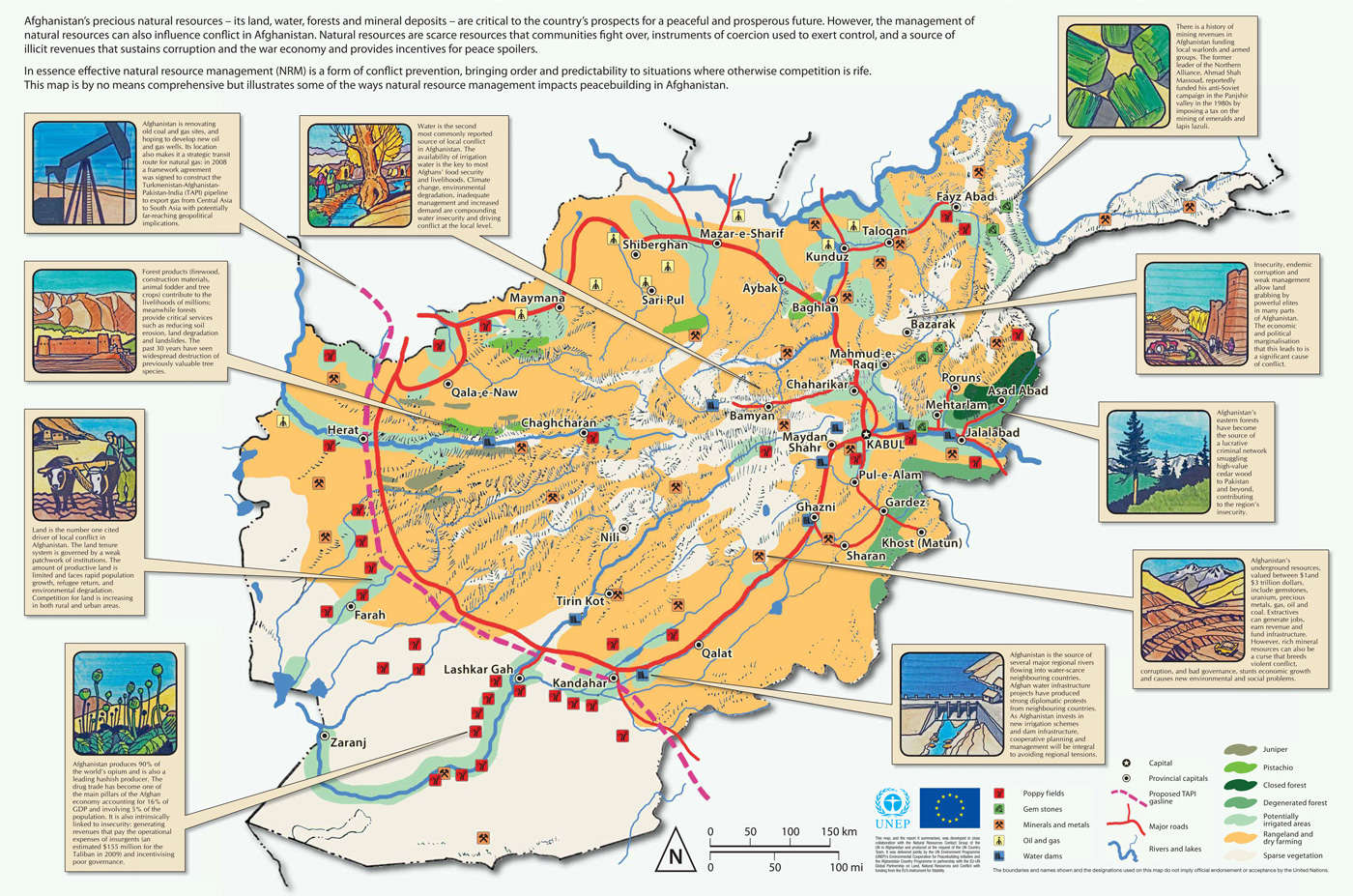
To Build Peace, Confront Afghanistan’s Natural Resource Paradox
›There’s a popular saying in Afghanistan reflecting the value of water: “Let Kabul be without gold, but not without snow.”
Living in a refugee camp across the border in Pakistan during the Soviet occupation, my father, who worked as a doctor in Samangan, Bamyan, Kunar, and Balkh provinces, used to tell me about the importance of our country’s natural wealth. He was optimistic that it was Afghanistan’s land, water, forests, and minerals that would help the country re-emerge as a strong nation. However, he also knew that the mismanagement of our natural resources is partly to blame for the instability, insecurity, and vulnerability that have gripped our country for so many years. This is the paradox of the natural resource wealth in Afghanistan.
-
Why Do Climate Changes Lead to Conflict? Provocative New Study Leaves Questions
›In August, Solomon Hsiang, Marshall Burke, and Edward Miguel published a provocative piece in Science in which they sought to demonstrate a correlation between climate extremes and violence across a range of time periods, countries, and different levels of conflict. It’s a massive undertaking and one that predictably has evoked some criticism – some of it warranted.
-
For Fast-Growing Countries, Should Aging Be a Concern? Planning for the Second Demographic Dividend
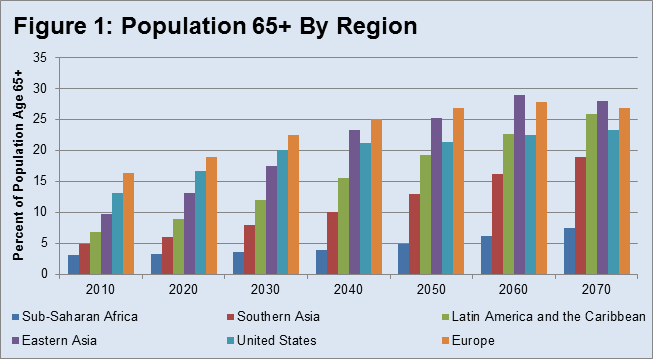
›September 10, 2013 // By Elizabeth Leahy MadsenPopulation aging and decline are frequently described as a threat to countries’ economic development and social stability. Evocative language, such as “demographic winter” and “graying of the great powers,” portrays the serious consequences that many observers envision as fertility and growth rates decline and the elderly comprise a greater percentage of the population. These concerns reach around the globe, including in Africa, which has the lowest percentage of elderly among the world’s major regions.
-
Development vs. Conservation: Global Trends in the Battle Over Oil in Ecuador’s Yasuní Rainforest
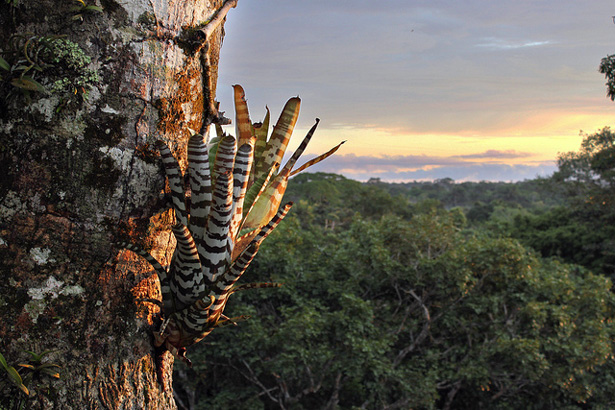
›Ecuador, the OPEC member with the smallest amount of proven oil reserves, has gained outsized attention in the debate over the future of oil extraction in recent days and may well play a decisive role in the outcome of the global tension between economic development and environmental conservation.
-
Harvesting Peace: Food Security, Conflict, and Cooperation
›Since 2008 – a year in which rapid increases in the global prices for major grains helped to trigger outbreaks of civil unrest in more than 40 countries – scholars and policymakers have paid increased attention to the potential influence of global food prices on social and political instability. Since that time, spiking prices have periodically sparked public protests and governments have struggled to respond.
-
A Season for Motherhood: The Role of Family Planning in Improving Maternal Health
›Ensuring access to family planning is not only a matter of human rights, but can also play a key role in protecting the health of mothers and children. Maternal health experts and program directors met at the Wilson Center on July 31 to discuss the role family planning takes in women’s health in developing countries, what successes family planning programs worldwide have had so far, and what can be done to expand services. Sarah Craven, chief of the UN Population Fund’s Washington office, moderated the event.
Showing posts from category featured.