-
New Portal for Himalayan Region Aims to Provide Better Environmental Data
›
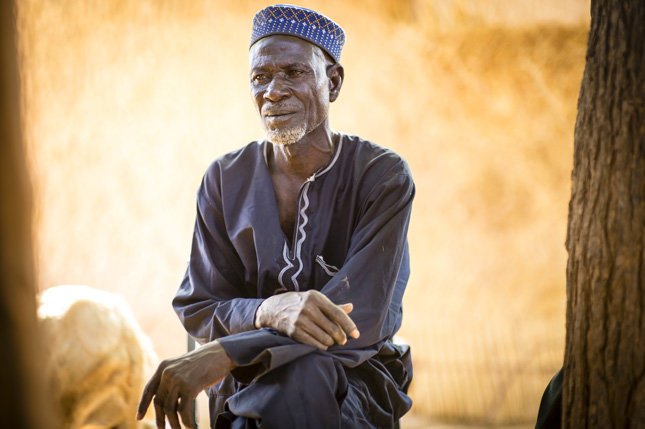
“There was drought so we had to share the little water brought a long distance from irrigation canals to the field. This delay in rice planting is resulting in a late harvest,” explains Ratna Darai, 47, a farmer in Daraipadhera, Nepal, during an interview with The Third Pole reporter Ramesh Bhushal. An erratic monsoon means an uncertain harvest in a nation where agricultural production is not on pace with population growth. Water insecurity is a major driver of conflict and uncertainly in the world’s most populous continent.
-
Next Stop, Lima: Building Momentum for a New Global Agreement on Climate Change
›December 1, 2014 // By Kathleen Mogelgaard
This fall, a series of significant events signaled what many see as a shift toward meaningful collective action on climate change.
-
Can Ecologists and Engineers Work Together to Harness Water For The Future?
›The Pangani River in Tanzania is important for many reasons: its three major dams provide 17 percent of the country’s electricity; it sustains thousands of farmers and herders living in the basin; and its flow of fresh water supports humans, industry, and ecosystems. But most interesting might be the innovative water policies that govern withdrawals, infrastructure projects, and ecosystems along its banks.
-
Unprecedented Coal Shutdown Tests Authority of India’s New Court
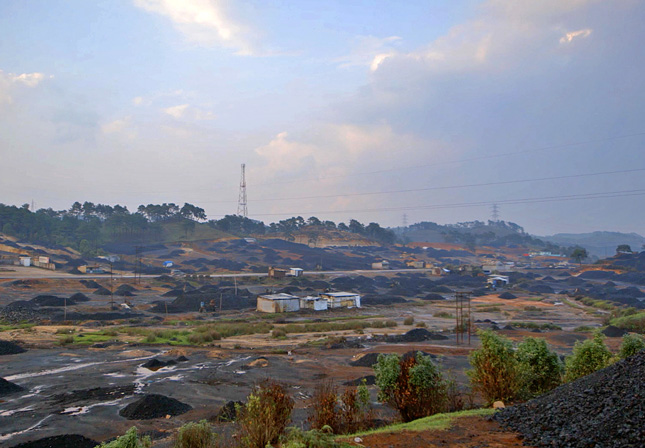
›JOWAI, India – On April 17, in a ruling that stunned miners, truckers, and owners in this region of black dust and rivers that run the colors of the rainbow, India’s National Green Tribunal ordered the state of Meghalaya’s $650 million coal mining industry to shut down.
-
India’s National Green Tribunal Charts Bold Course Towards Sustainable Development
›SHILLONG, India – India’s National Green Tribunal (NGT), a judicial body with legal authority that ranks just below the Supreme Court, is quickly emerging as one of the world’s most important forums for testing the idea that economic advancement is tightly wired to public safety and the security of water, air, and land.
-
Necessary Partners: The Sahel Shows Why Development and Resilience Efforts Can’t Forget Men
›One-third of boys in the developing world don’t face the risk of marriage and pregnancy before age 18. There are no laws preventing men from owning land or property. Men don’t bear the brunt of increasingly frequent and severe disasters. And men don’t hold fewer than 25 percent of parliamentary seats worldwide.
-
Water and New Development Path Are Priorities in U.S.-China Climate Agreement
›NEW DELHI, India – There are nearly 1.3 billion people in this swarming democracy, where over 66 percent of eligible voters cast ballots in the general election last May. A few of them took me aside this week to express surprise at the puzzle that is the American electorate and its national leadership. -
Dividend or Divide? Africa’s Demographic Challenge
›“Sub-Saharan Africa’s young people are in effect the global labor force of the future,” said Jack Goldstone at the Wilson Center on October 15. “Whether they are productive, how large that cohort turns out to be, whether they find work or not, is going to have a bearing, I think, on all of us.” [Video Below]
Showing posts from category featured.
 NEW DELHI, India – There are nearly 1.3 billion people in this swarming democracy, where over 66 percent of eligible voters cast ballots in the general election last May. A few of them took me aside this week to express surprise at the puzzle that is the American electorate and its national leadership.