-
Why We Need Extended Producer Responsibility for Plastic Packaging
›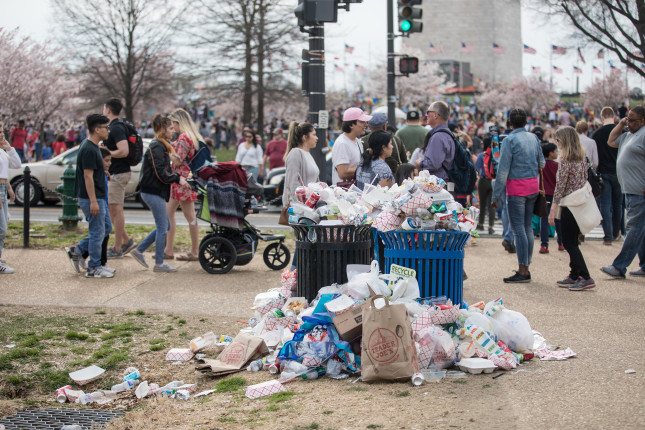
Recycling in the United States is failing. Only 50 percent of packaging is currently recycled. For plastics the rate is lower, only nine percent. The U.S. packaging recycling rate is far below many other countries and has been stagnant for over a decade because our waste management infrastructure is fragmented, inefficient, and underfunded. U.S. city and county governments spend millions of taxpayer dollars each year to manage an expanding and increasingly complex array of packaging waste they had no input in designing or creating. U.S. recyclers are struggling with poorly designed packaging that cannot be recycled and adds cost to the recycling system, and brand owners are unable to source the recycled content they need to honor their public sustainability commitments. Under the current system, consumer packaged goods companies have little incentive to change.
-
Protecting Human Rights in DRC Cobalt Mines: A U.S. Priority in a Green Transition
›
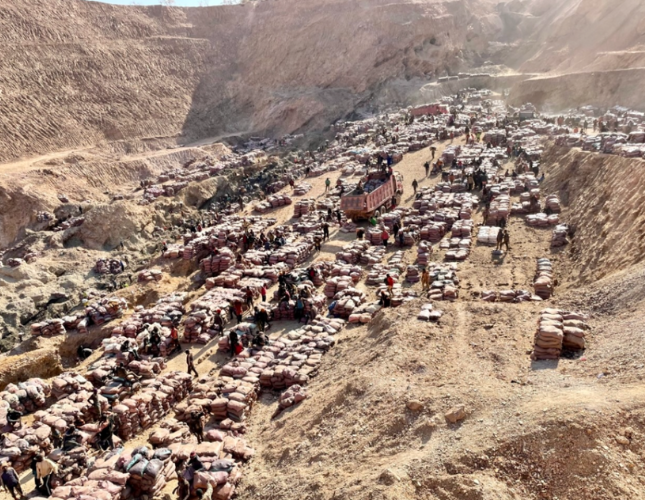
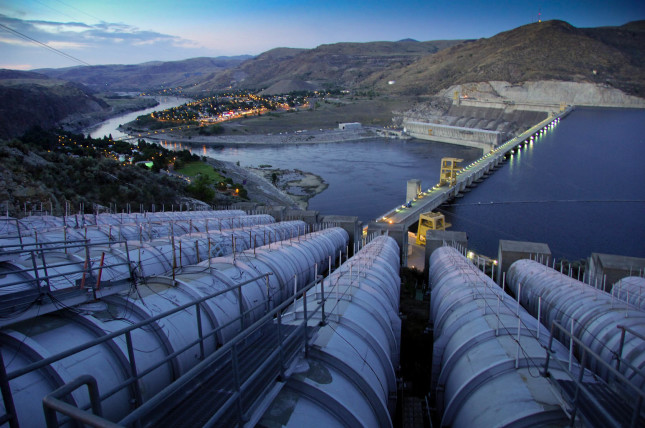
Secretary of State Anthony J. Blinken recently reaffirmed the Democratic Republic of Congo (DRC)—a nation located in Africa’s heart—as a “geostrategic player and critical partner” for the United States. It is a country that features prominently in climate change discussions, not only because of its vast natural resources (including mineral wealth estimated to be the largest in the world, as well as possession of a forest cover second only to the Amazon Basin), but especially due to its cobalt reserves.
-
Environmentalists Need To Talk About Population Growth. Here’s How.
›On November 15, the world population is projected to reach 8 billion people. As we approach that milestone, there’s no denying that our rapidly growing human population also places extraordinary pressure on the environment. The human population has doubled in the last 50 years, while wildlife populations have been cut in half.
-
Catastrophe and Catalyst: Pakistan’s Foreign Minister on His Nation’s Climate Tragedy
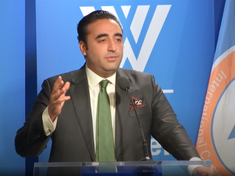
›On a recent visit to the Wilson Center, Pakistan’s Foreign Minister Bilawal Bhutto Zardari remarked on the historic nature of the monsoon-related floods that have submerged a huge swath of his country over the last several months.
“These are no normal monsoons and no normal floods,” said Zardari. “We are used to monsoons. We are used to floods. We have provincial mechanisms [and] national mechanisms to deal with such disasters. What we were not prepared for was for floods to descend from the sky.”
-
Fighting the Flood of Nurdles: Texas Fisherwoman takes on Taiwan Plastic Company
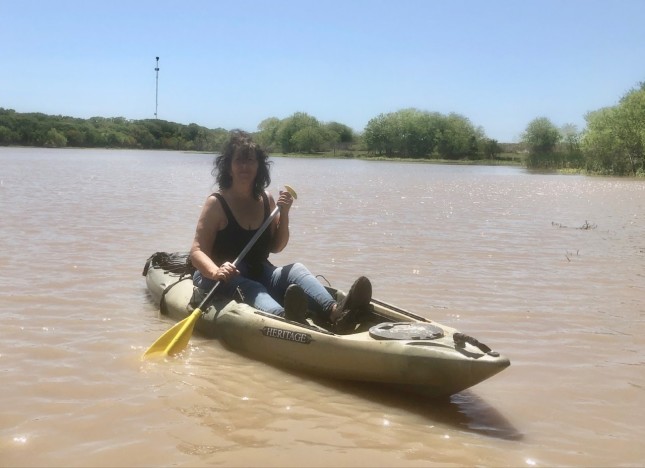
›Over decades, billions of small lentil-sized plastic pellets, called nurdles, flooded out of the wastewater pipes of Formosa Plastic’s plant in Calhoun Texas into the Gulf of Mexico. For decades, Diane Wilson, a fourth-generation fisherwoman in a rural fishing town called Seadrift, has been tracking and collecting data on the company’s nurdle pollution. In 2019, after three years of constant sampling, she and her scrappy volunteers won a dramatic legal victory with a consent decree mandating 50 million in penalties for past pollution and fines if they do not clean up previous pollution or maintain zero discharge of plastic.
-
Sharon Guynup, Mongabay
2022: Another consequential year for the melting Arctic
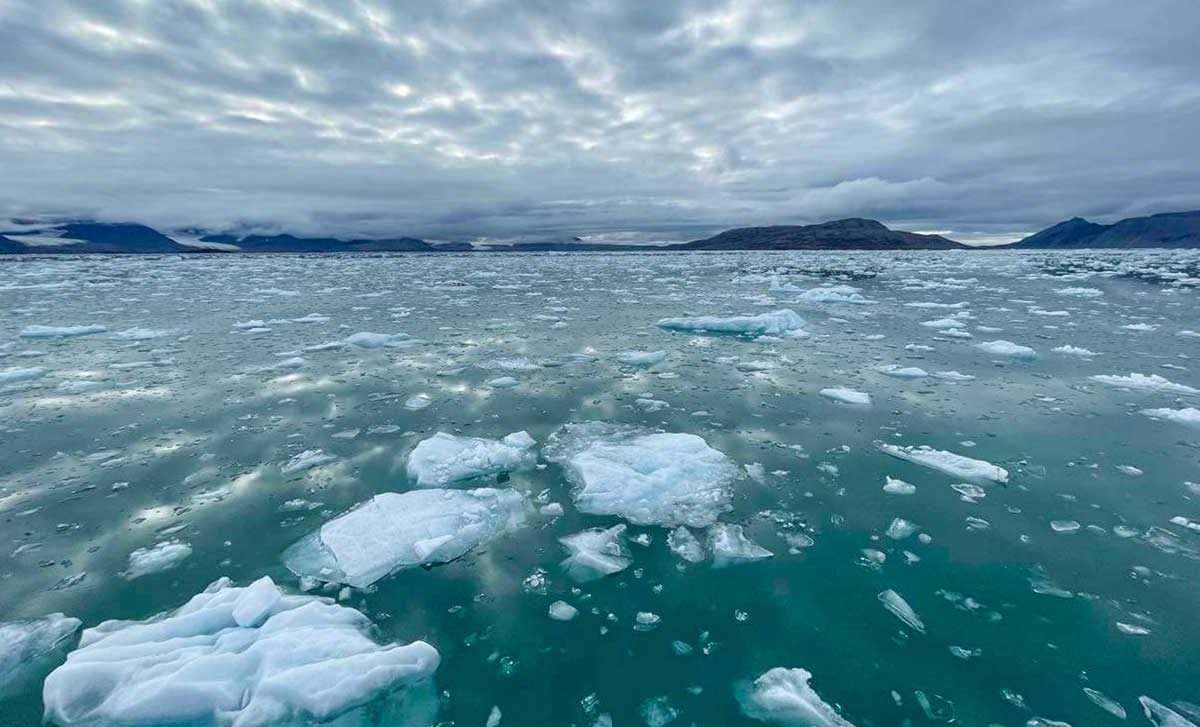
›September 27, 2022 // By Wilson Center StaffThis article, by Sharon Guynup, originally appeared on Mongabay.In August, I traveled aboard the icebreaker Kinfish to the Svalbard archipelago, north of the Arctic Circle. Invited to the bridge as we cruised fjords near the 80th parallel, I was transfixed by towering blue glacier walls, but was confused by the map displayed on one of the ship’s screens. It showed our vessel sailing across a non-navigable frozen sheet.
-
The Powerful Policy Ripples of Washington State’s CETA
›States are sometimes overlooked as drivers of climate action, yet some of them have been true leaders that bring significant influence. In Washington State, for instance, a strong coalition has worked to develop a smart, foundational climate policy for decarbonization in all sectors of the state’s economy.
-
Climate Security at USAID: (Re)defining an Integrative Issue
›Climate security is an essential conceptual framework to understand the global interplay of biophysical and socioeconomic forces that threaten our planet. Indeed, it is so important that new currents of science, politics, and advocacy make refining definitions a necessity.
Showing posts from category environment.