-
Climate Change, Population, and the Shape of the Future
›
As the world’s attention has turned in November 2022 to the UN COP 27 climate change conference, another important global milestone is also drawing attention. Today, November 15, 2022, the global population is predicted to reach 8 billion. By 2050, it will be 9.7 billion.
-
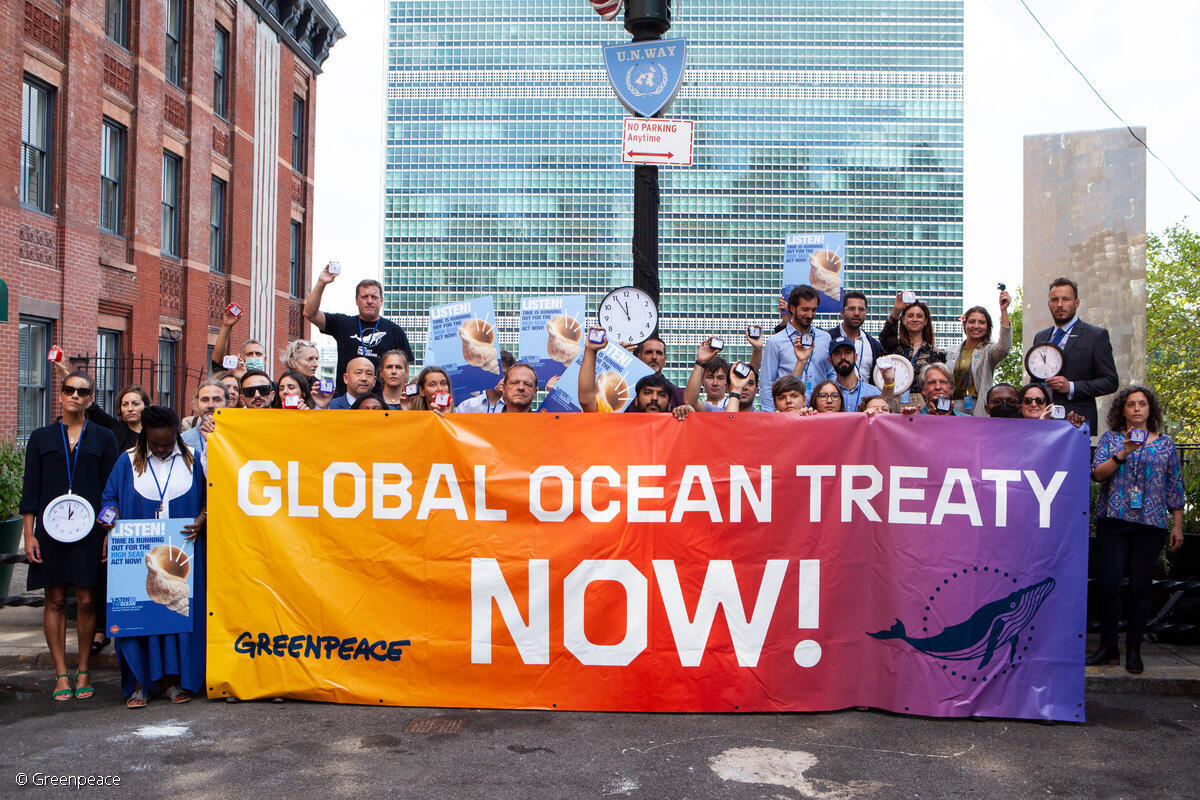
Deadlock in the Negotiation Rooms to Protect Global Oceans
›
For decades, western multinational companies have been profiting by exploiting plant, animal, or microbial genetic resources obtained from less developed countries. Take the neem tree, for example. Since the 1990s, international companies have registered more than 70 patents on products derived from India’s “tree of life.” Yet these patents have prohibited local people from using these trees (as they had for centuries) to make cosmetics, fertilizers, and medicines.
International companies have now turned their eyes to the high seas in a new hunt for genetic resources. Concerned they will be left out of the potentially profitable patents once again, developing nations are demanding equitable use and benefit sharing of genetic resources in ongoing global ocean treaty negotiations.
-
Creating a Just Transition in Green Minerals: A New Video from the Wilson Center and its Partners
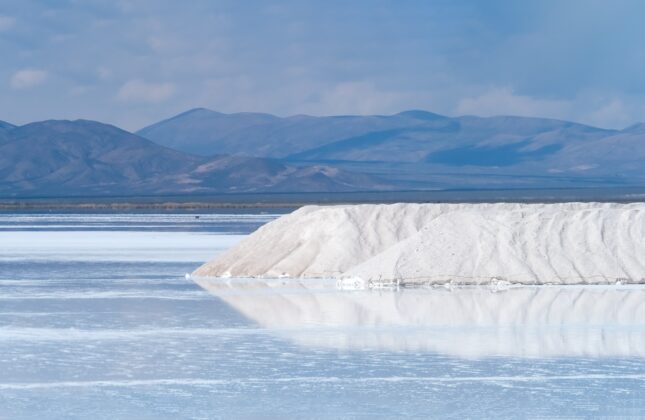
›We need minerals to build the solar panels, wind turbines, and other technologies that will decarbonize our economies—and we need a lot of them. The World Bank estimates that demand for lithium, cobalt, and graphite could jump by as much as 500 percent by 2050. Yet mining for these resources has had a fraught history, and it continues to be associated with a hefty list of human rights and conflict risks, including violence, child labor, poor working conditions, land rights abuses, environmental damage and pollution, and a lack of community participation. -
High Stakes: China’s Leadership in Global Biodiversity Governance
›China Environment Forum // Guest Contributor // Vulnerable Deltas // November 3, 2022 // By Jesse RodenbikerAs countries prepare to gather for the Fifteenth meeting of the Conference of the Parties (COP) to the Convention on Biological Diversity (CBD) in December 2022, the stakes for global biodiversity couldn’t be higher. Over the last half century, global wildlife population sizes plummeted by 60 percent. A 2019 UN report, one among many, warned that the current global response to this accelerating loss of species is insufficient and that “transformative changes are needed to restore and protect nature.”
-
Celebrating “Long Man”: Eastern Band Cherokees Work Together to Care for their Rivers
›On a crisp autumn morning, the Yellow Hill Community Center in western North Carolina buzzed with excitement as more than 120 Cherokees and their allies shared conversations, laughter, and a hearty breakfast. They had descended upon the center in the Qualla Boundary on October 19, 2022 to mark the second annual Honor Long Man Day in the homelands of the Eastern Band of Cherokee Indians (EBCI).
-
New Analysis by Peter Schwartzstein: How Water Strategizing is Remaking the Middle East
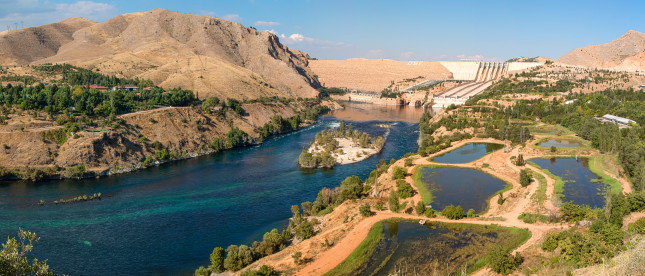
›In the run up to COP 27 in Sharm El-Sheikh, Egypt, the first summit of its kind to be hosted in the region, water is rising on the agenda, and for good reason. In a new essay for the Wilson Center, Global Fellow Peter Schwartzstein explores how governments across the Middle East are approaching a world with less water – and to what effect. Drawing on a decade of environmental reportage from the Middle East, Schwartzstein sketches out how, why, and with what consequences states have adopted often dramatically divergent strategies.
-
Flood of Inequity: Confronting Climate Vulnerability Risk in China and Beyond
›2022 was a summer of climate extremes across the globe. Multiple heat events simmered across China and Europe, also in regions that are not “supposed to be this hot,” such as the United Kingdom. The western United States also baked in unusual heat, but perhaps the most damaging episode of the season occurred when extreme precipitation caused major flooding in Jackson, Mississippi. This untimely deluge exacerbated a pre-existing water infrastructure crisis in that city, leaving its 150,000, predominately black, residents without access to safe water for days.
-
Mary Hellmich, Tobias Bernstein, Transatlantic Climate Bridge
Transatlantic Subnational Climate Cooperation: Opportunities for Implementation
›October 14, 2022 // By Wilson Center StaffDiplomacy between cities, counties, states and regions is critical to ensuring that diplomatic doors between countries are left open throughout changing political cycles at the national level. Such efforts are more important now than ever, especially for the climate crisis. As we head into COP27 with the message “from ambition to implementation,” cities have a critical role to play as the venues where many of the policies discussed at international climate negotiations will play out.
Showing posts from category environment.