-
Looking Beyond 2015: Promoting Years of Sustainability by Responding to Megatrends
›
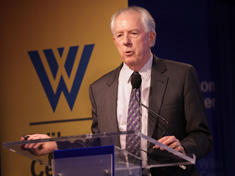
2015 is a major test for the international system. The Sustainable Development Goals are expected to be adopted in New York in September and expectations for the UN Climate Summit in Paris are higher than perhaps any other time. “It is a critical year,” said Alan Hecht, director for sustainable development for the U.S. Environmental Protection Agency, “but our challenge is years of sustainable development. How do we take actions today, how do we prepare for the future in such a way that we will achieve a more sustainable outcome?” [Video Below]
-
Cooperation Is Not Enough: Why We Need to Think Differently About Water
›
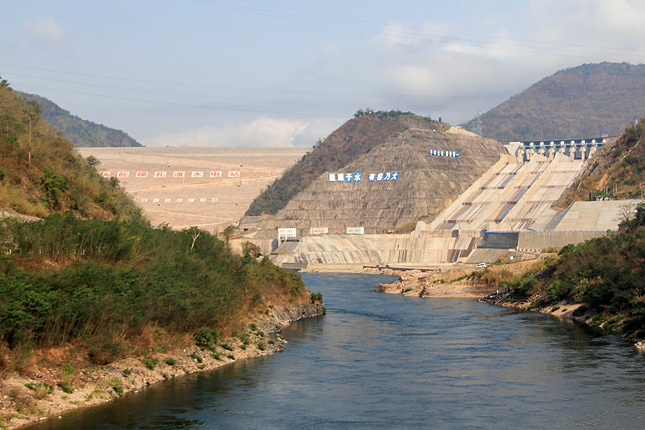
In 2003, the United Nations General Assembly declared 2005 to 2015 to be the decade of “water for life” as a way to encourage countries to reach their water-related targets under the Millennium Development Goals. In summing up the last 10 years, it was noted that water cooperation had been promoted widely, featuring at international fora and in government initiatives and development agendas. Water cooperation is described as having the potential to enable peace and sustainable development. However, just as focusing on “water wars” might undermine the everyday challenges of securing safe and adequate supplies of water, focusing only on “more cooperation” may well simplify the problem at hand.
-
The Role of the Private Sector in Solving Asia’s Environmental Emergency: Interview With Mark Clifford
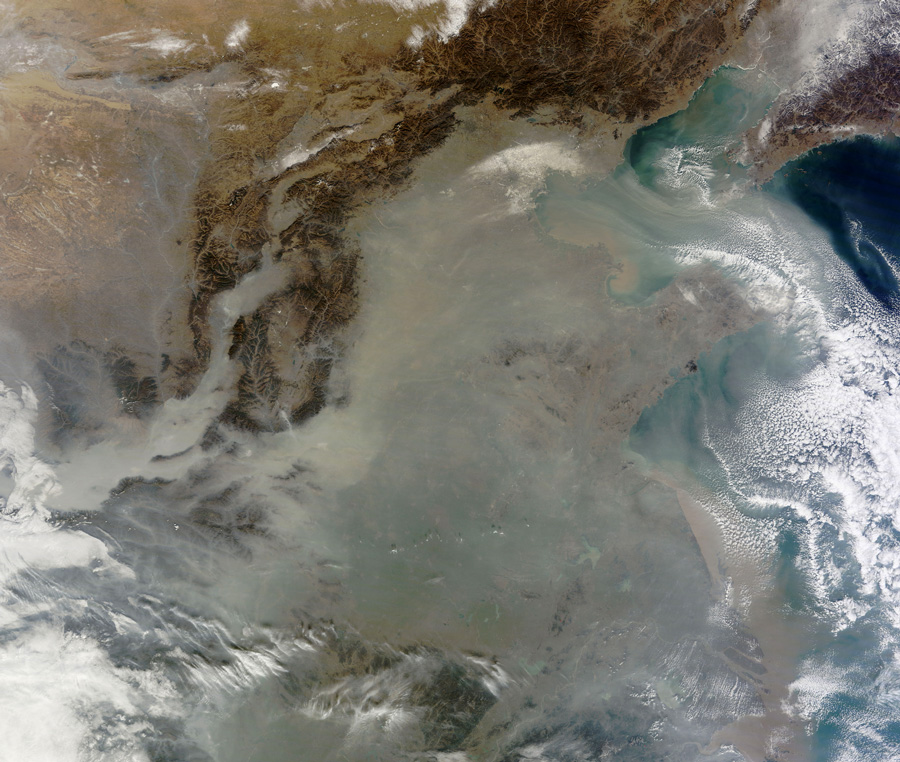
›From smoggy skies to rancid rivers and staggering slums, environmental challenges loom large for Asia. While much has been said about the role of government and NGOs in achieving a sustainable future, Mark Clifford, executive director of the Asia Business Council, believes companies are an indispensable but often overlooked part of the solution.
-
The Dark Side of Development: Displacement, Eviction in World Bank Projects and Ethiopia
›With the help of international aid, foreign land grabs in the Gambella region of Ethiopia have resulted in environmental degradation, more severe economic and social inequality, and human rights abuses, according to a new study by the Oakland Institute. We Say The Land Is Not Yours collects testimony from victims of “villagization,” a policy of forced displacement started under the military Derg dictatorship and, according to many, continued to this day under the guise of land investment. -
Under Modi, India’s Climate Goals Tied to Clean Energy Development
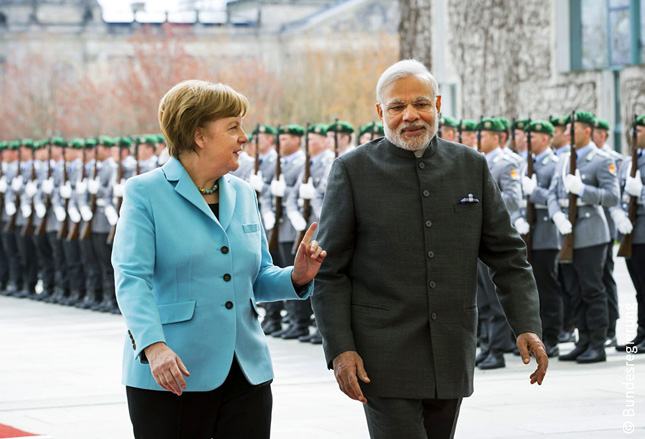
›India occupies a precarious position in the global climate change order. It trails only China, the United States, and the European Union in total emissions, but per capita emissions are far lower. India’s Prime Minister Narendra Modi won the 2014 elections on a strong pro-development platform and continues to wave this flag at all levels, making energy security a major priority and pledging to expand the country’s coal mining industry. But he also insists he will work with the international community on mitigating climate change. During a recent visit to France, Germany, and Canada, he declared, “India will set the agenda for the upcoming Conference of Parties” in Paris this fall.
-
Banning Garrett: Getting Urbanization Right Can “Solve a Lot of Big Problems”
›The world is changing quickly thanks to a convergence of megatrends, says Singularity University’s Banning Garrett in this week’s podcast, but urbanization could be the most critical. “If we get it right in cities, we can solve a lot of big problems,” he says.
-
Roger-Mark De Souza Talks Global Population Dynamics on ‘Radio Times’
›From aging populations in East Asia, Europe, and the United States to youth in sub-Saharan Africa, changing demographics have implications for the entire global community, said Roger-Mark De Souza, director of population, environmental security, and resilience at the Wilson Center in an April 20 interview for WHYY’s Radio Times in Philadelphia.
-
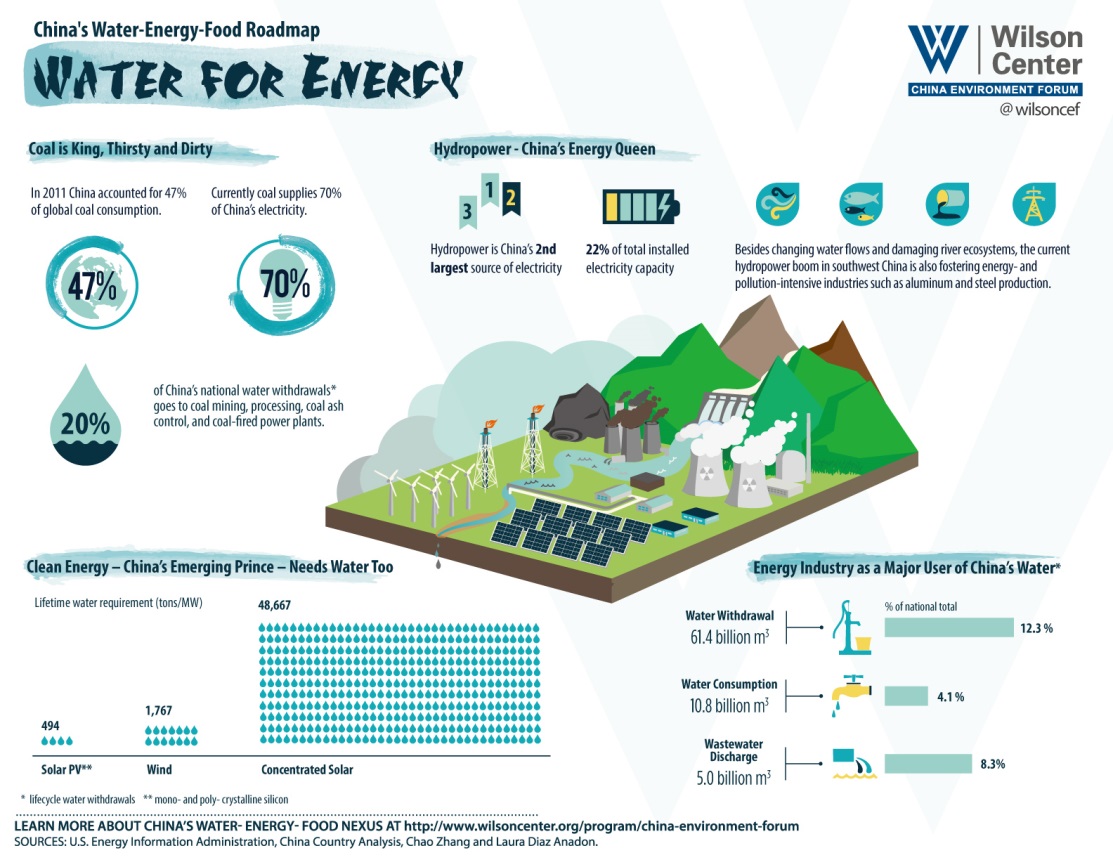
Illustrating China’s Water-Energy-Food Choke Points [Infographics]
›Last month, the China Environment Forum released a new Global Choke Point report, China’s Water-Energy-Food Roadmap. To date, we believe this is the most comprehensive report on China’s interlinked natural resource insecurities – dwindling water resources in the face of growing energy use and increasing food demand.
Showing posts from category environment.