-
Measuring the SDGs: Investments in Mapping, Geospatial Data Collection Critical to Success
›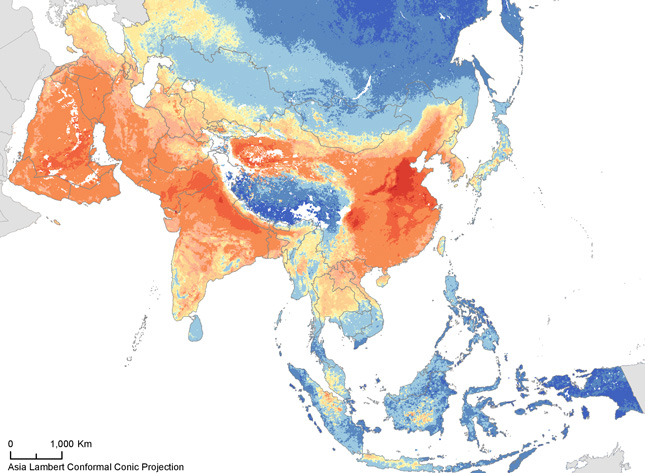
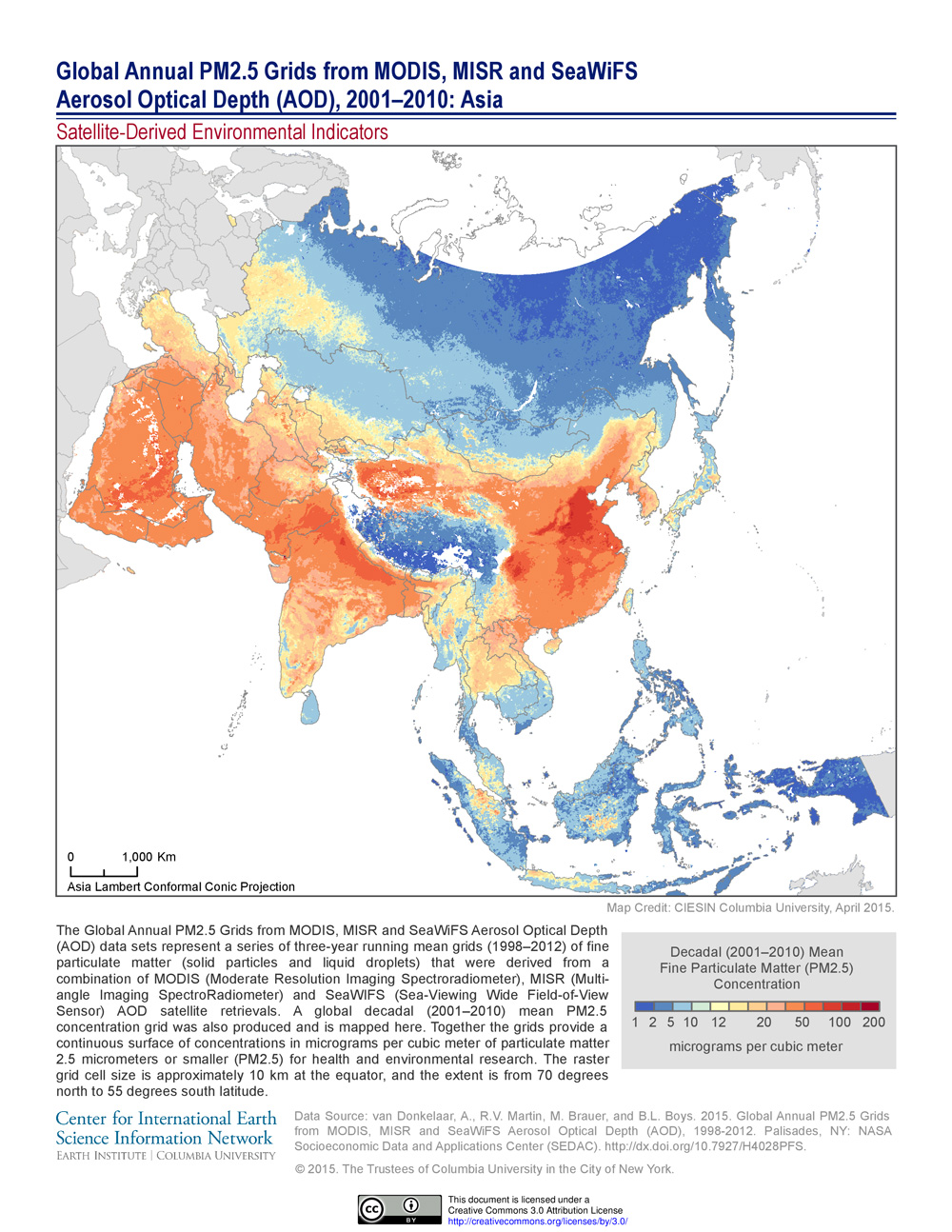
To ensure no one is left behind by the next generation of global development goals, a comprehensive mix of robust data is needed to measure progress and guide investments. A recent report coordinated by the Sustainable Development Solutions Network estimates the world will need to spend roughly $1 billion a year to sustain and enhance the statistical systems supporting and evaluating progress towards the Sustainable Development Goals (SDGs), the successors to the Millennium Development Goals expected to guide the development agenda for the next 15 years.
-
China and Crowdsourcing: The Rise of a New Green Generation?
›
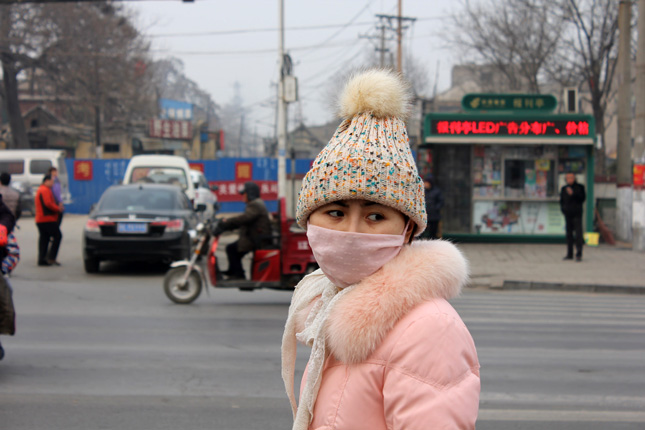
I distinctly remember the night I saw An Inconvenient Truth in 2006. The film essentially did what no high school teacher could: gave me a purpose to structure my studies, setting me on course to earn a degree in environmental studies, an advanced degree in natural resource conservation, and eventually working here, at the Wilson Center.
-
3 Facets to Relief and Recovery After Nepal’s Earthquake
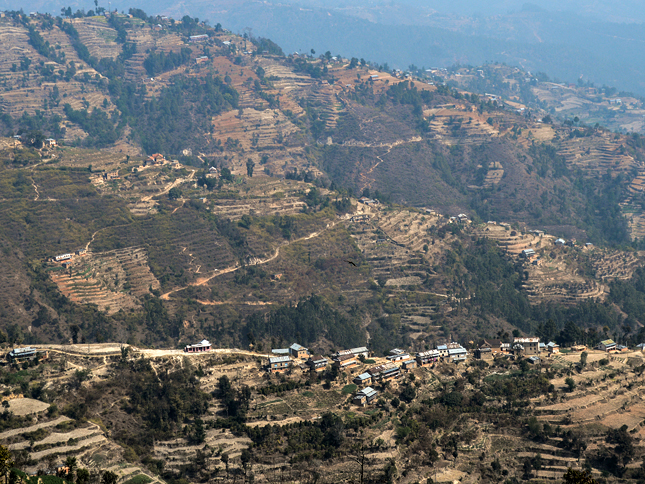
›Nepal’s devastating earthquake last Saturday was both tragic and expected. On September 18, 2011, as colleagues and I were driving through Kathmandu, our car started to shake, buildings began to sway, store fronts cracked, hundreds of people jumped out of windows and streamed into already crowded streets. It was the so-called Sikkim earthquake. There were only a few fatalities and injuries – it was a very minor event compared to last weekend’s disaster. But it validated the rationale for our visit: to help launch a disaster relief dialogue involving U.S. government experts, Nepalese security forces, and their country’s emergency responders.
-
In Kerry’s Quadrennial Diplomacy and Development Review, Climate and Conflict Are Focus
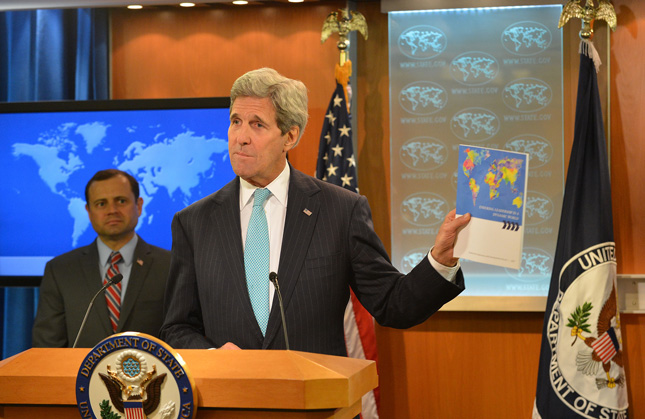
›April 29, 2015 // By Schuyler NullIt’s a bit late, but the second-ever Quadrennial Diplomacy and Development Review (QDDR) is finally here. And it’s a good thing – it’d be a shame if this effort to present a coherent strategic narrative of U.S. diplomacy and development, which was started by Secretary of State Clinton in 2010, petered out.
-
Blood Teak: Changing the Calculus of Myanmar’s Ethnic Conflicts
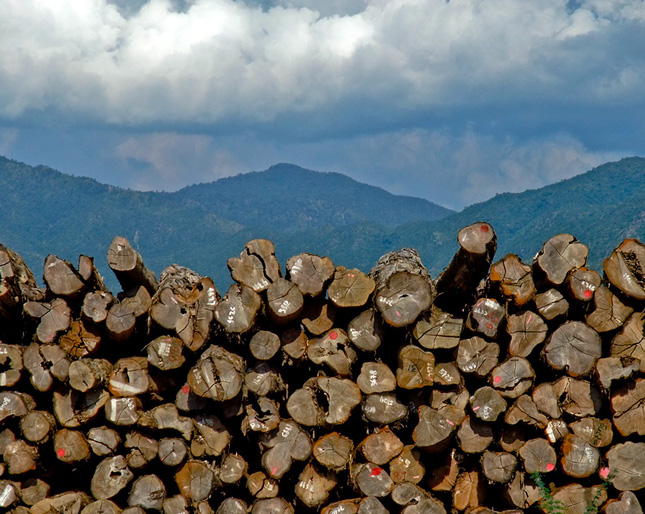
›On March 30, the government of Myanmar and an umbrella group of 16 ethnic minority groups agreed to a draft agreement for a “nationwide ceasefire” to end decades of conflict in the country’s northern reaches. But even as the latest ceasefire was being made, two armed groups, the Myanmar National Democratic Alliance Army (MNDAA) and the Kachin Independence Army (KIA), were in open conflict with the Burmese military. Fighting in Kokang and Kachin has led to casualties in the triple digits and displaced an estimated 100,000 civilians.
-
Building Climate Resilience in Conflict-Affected States: A Neglected Agenda
›Climate change adaptation and mitigation efforts face many obstacles in fragile and conflict-affected societies. Instead of writing off these situations, however, International Alert’s Janani Vivekananda, Janpeter Schilling, and Dan Smith suggest approaching aid and development differently to proactively build resilience and simultaneously advance climate, development, and peacebuilding goals.
-
Small-Island States Continue Long Crusade for Recognition of Climate Damages
›“Even though small-island nation states generally are responsible for less than one percent of global greenhouse gas emissions, small islands are already expending scare resources on strategies to adapt to growing climate threats and to also repair themselves after they have hit,” says Maxine Burkett, associate professor of law at the University of Hawaii at Manoa, in this week’s podcast.
-
Blockade of Yemeni Ports Has Unintended Consequences on Food Security, Somali Fishing Industry
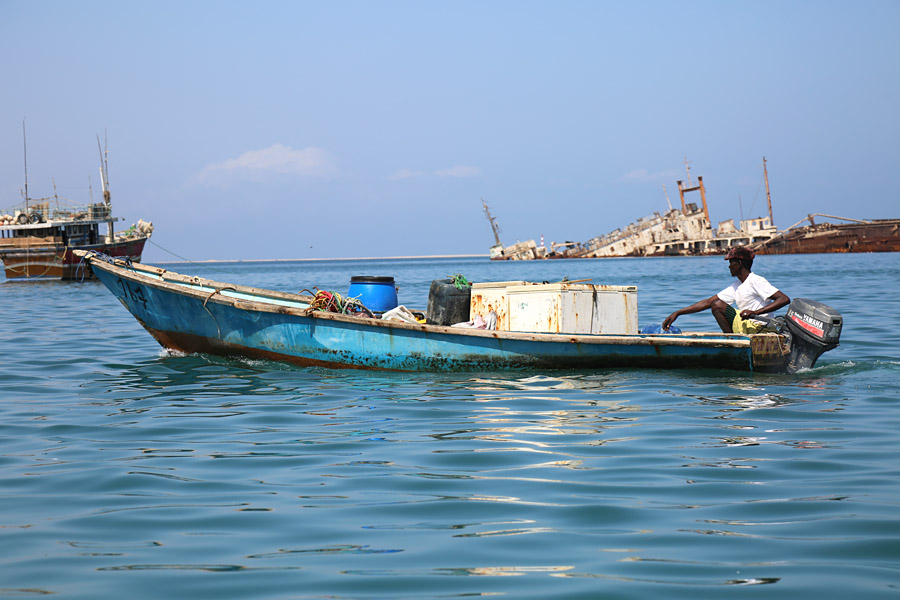
›Hundreds of Yemenis have been killed since Houthi rebels overthrew President Abdu Rabu Mansour Hadi at the beginning of April. The instability next door has led Saudi Arabia to intervene with a bombing campaign and, most recently, impose a blockade of Yemen’s port cities to cut off what they claim is Iranian resupply of rebels. Besides blocking weapons though, the blockade is also having a major impact on food security and food assistance, and is even affecting livelihoods in Somalia.
Showing posts from category environment.