-
Mismatched Flood Control System Compounds Water Woes in Southern Bangladesh
›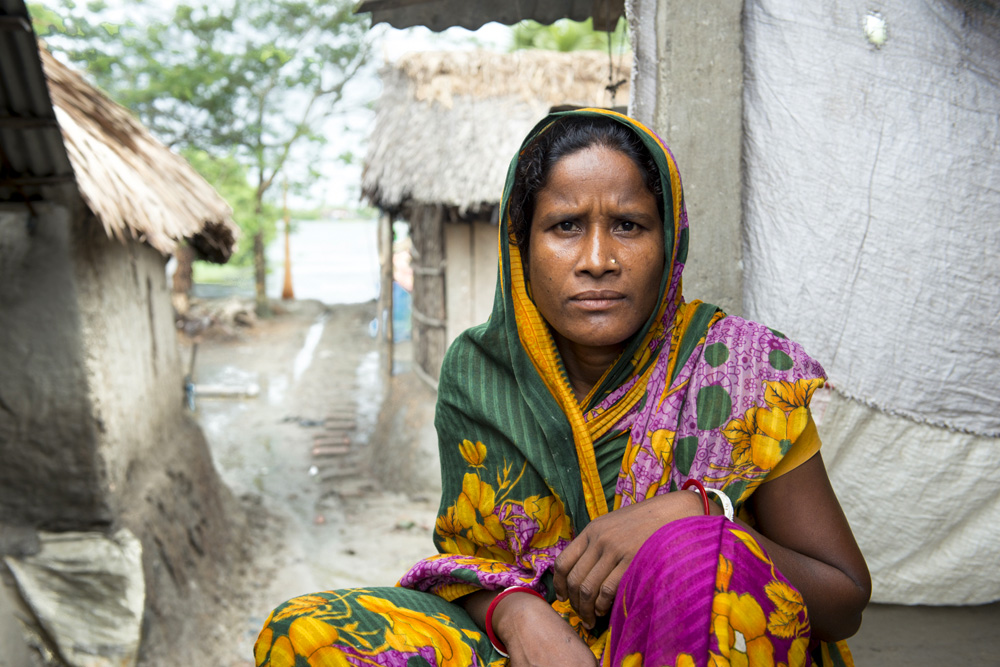
In Koyra Number 6, a coastal hamlet bordering the Sundarbans in southwestern Bangladesh, a group of men unload barrels of water from their trawlers – 50 drums holding 30 liters each. They announce their arrival by yelling. And word spreads. This is how this village gets their daily drinking water, from a town nine miles away.
-
Rachel Cernansky, Ensia
How “Open Source” Seed Producers From the U.S. to India Are Changing Global Food Production
›December 29, 2016 // By Wilson Center Staff
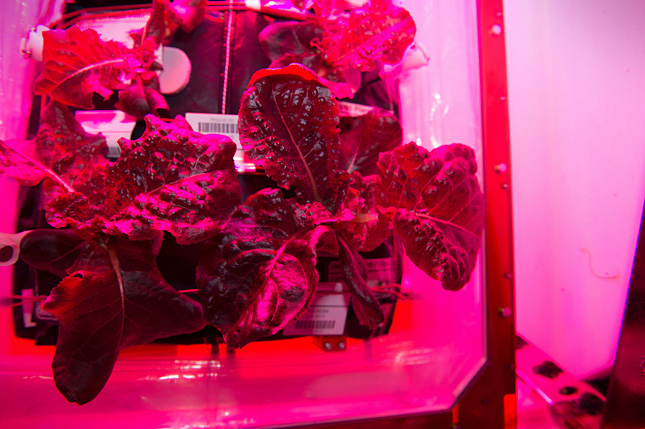
Frank Morton has been breeding lettuce since the 1980s. His company offers 114 varieties, among them Outredgeous, which last year became the first plant that NASA astronauts grew and ate in space. For nearly 20 years, Morton’s work was limited only by his imagination and by how many different kinds of lettuce he could get his hands on. But in the early 2000s, he started noticing more and more lettuces were patented, meaning he would not be able to use them for breeding.
-
With Network of River Watchers, Green Hunan Opens Second Front in China’s War on Pollution
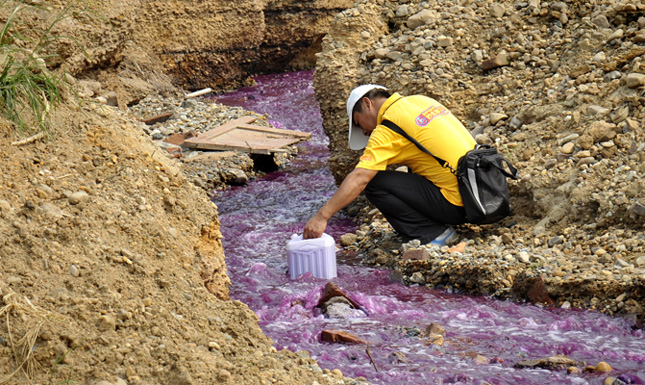
›“Made in China” products surround us, yet few consumers have anything more than a foggy idea of where in China their phones, computers, and other goods come from. Hunan Province in South Central China is not only the home of spicy food, but the world’s largest mines for non-ferrous metals used in many electronic devices. Nearly all the glass panels for Apple and Samsung smartphones are manufactured in Hunan as well. While this multibillion-dollar phone industry has been a boon for Hunan’s economy, it has also produced seriously polluted rivers and soil.
-
Environmental Defenders Are Being Murdered at an Unprecedented Rate, Says UN Special Rapporteur
›The Earth’s front-line defenders are disappearing at an astonishing rate. On average three environmental activists were killed each week in 2015, according to a recent report from the United Nations special rapporteur on the situation of human rights defenders. Global Witness, an international NGO that documents natural resource extraction, corruption, and violence, reports a 59 percent increase in deaths last year compared to 2014. In total, 185 killings of environmental defenders were recorded by Global Witness in 2015.
-
Beyond the Headlines: Understanding Climate Change, Migration, and Conflict (Report Launch)
›As Syria has collapsed, spasming into civil war over the last five years, the effects have rippled far beyond its borders. Most notably, a surge of refugees added to already swelling ranks of people fleeing instability in Afghanistan, Iraq, Pakistan, and sub-Saharan Africa, leading to the highest number of displaced people since the Second World War. At the same time, scientists have noted record-breaking temperatures, a melting Arctic, extreme droughts, and other signs of climate change. For some, an obvious question is: what does one have to do with the other?
-
USAID Climate Action Review: 2010-2016 (Report Launch)
›“Climate work is practical, common-sense, good development,” said Carrie Thompson, deputy assistant administrator at the Bureau for Economic Growth, Education, and Environment at the U.S. Agency for International Development (USAID). “It’s prevention, and we all know that preventative medicine is the best medicine.”
-
Somini Sengupta, The New York Times
Heat, Hunger, War Force Africans Onto a “Road on Fire”
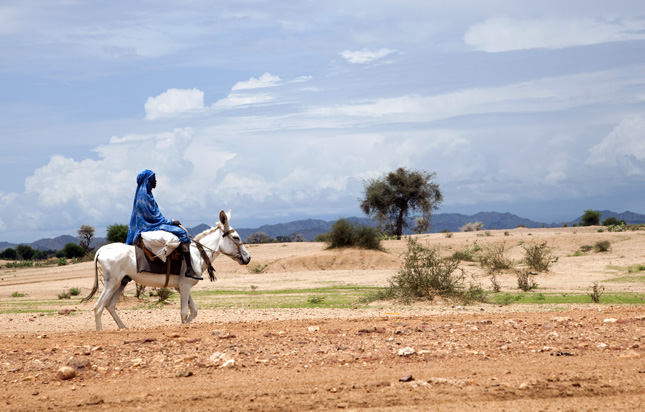
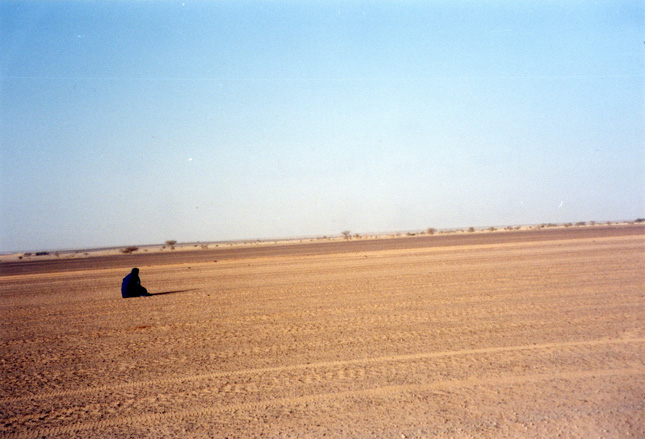
›December 16, 2016 // By Wilson Center StaffAGADEZ, Niger — The world dismisses them as economic migrants. The law treats them as criminals who show up at a nation’s borders uninvited. Prayers alone protect them on the journey across the merciless Sahara.
-
Rising Seas Threaten Military Installations, and Elevating Human Rights to Mitigate Geoengineering Risks
›A roughly three-foot increase in sea level will threaten 128 coastal military installations in the United States, valued at $100 billion, according to a study from the Union of Concerned Scientists. The report, The U.S. Military on the Front Lines of Rising Seas, argues that the growing exposure to storm surge and sea-level rise puts vital infrastructure, training and testing grounds, and housing for thousands of personnel at risk.
Showing posts from category environment.