-
Climate Variability Is Increasing Internal Migration in South America, Swelling Cities
›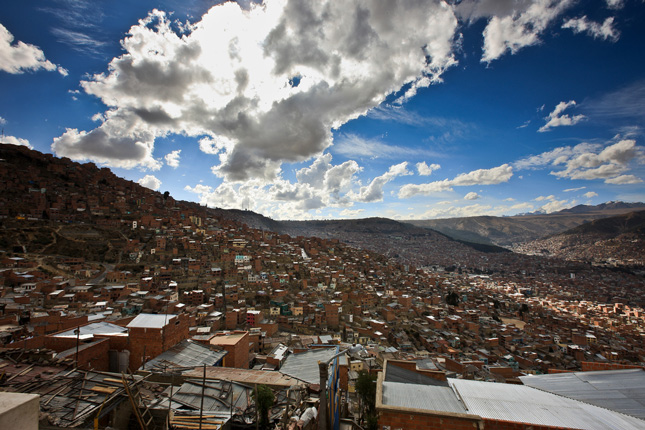
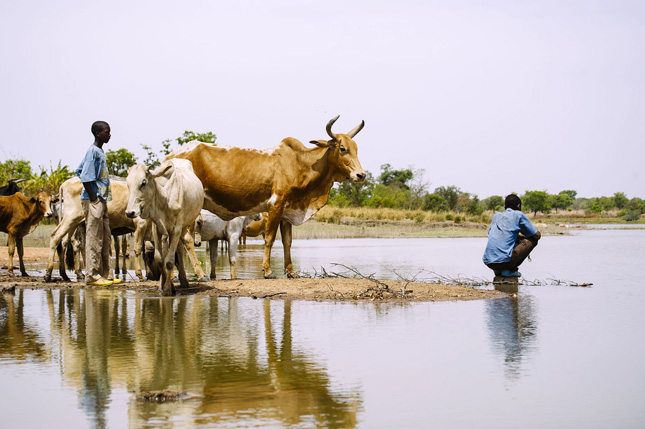
As global climate change affects livelihoods across the world, migration patterns are also changing. In a recent study published in Global Environmental Change, Clark Gray, Valerie Mueller, and I found that since the 1970s, climatic variations have been increasing internal migration across many South American countries, with few exceptions. And many people are headed to cities.
-
Planetary Security Conference Convenes Amidst “Unsettling New Normal”
›December 14, 2016 // By Schuyler NullEnvironmental security? Climate security? How about planetary security. Last week at the venerable Peace Palace in The Hague, nearly 300 experts from around the world met for the somewhat dramatically named Planetary Security Conference, a new initiative aimed at bringing together people working on all things related to the environment, climate change, and their security implications.
-
Masculinity Under the Microscope: Better Accounting for Men in Climate Adaptation
›December 13, 2016 // By Anam Ahmed
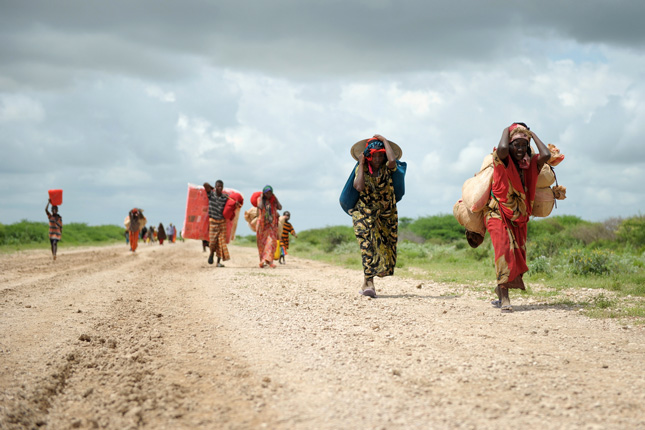
“Before the famine my life was better. I was a man in my own country,” Abdi Abdullahi Hussein, a Somali refugee living in Kenya, tells The Climate Reality Project. “When you have livestock and a farm and it all disappears, it feels like falling off a cliff.”
-
Planet at the Crossroads: Insights From IUCN’s World Conservation Congress
›At this year’s International Union for Conservation of Nature (IUCN) World Conservation Congress, more than 10,000 scientists, activists, and leaders from around the world committed to finding “nature-based solutions” to reversing environmental declines and securing a healthy, livable planet.
-
Land Privatizations, Not Just Climate Change, Are Costing Rural Kenyans
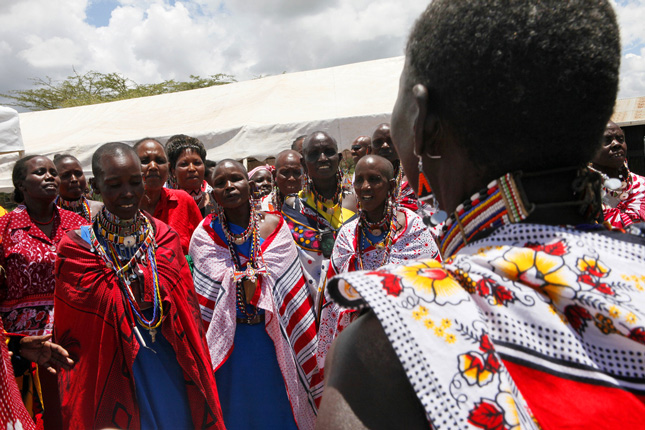
›Eddah Senetoi lives with her son in the small pastoralist community of Elangata Waus. They keep cows, goats, sheep, and donkeys to buy food and pay school fees. For her and other pastoralists living in southern Kenya’s Kajiado County, climate change is compounding challenges from land subdivision and privatization, and magnifying social tensions and community conflicts over access to resources.
-
Green Leadership From a Divided South? China and India’s Divergence Shape Outlook for International Negotiations
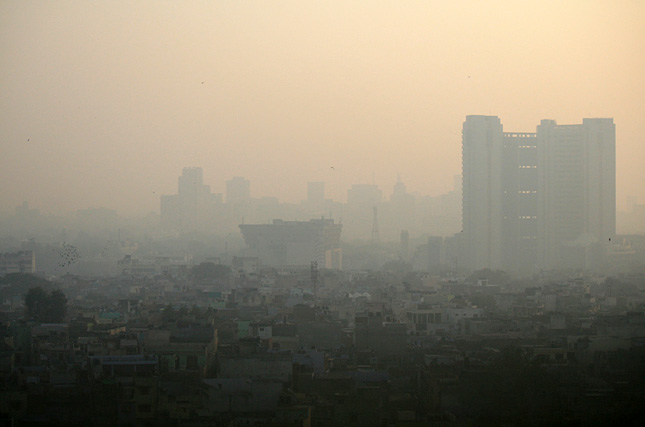
›Last month, headlines around the world heralded a breakthrough for international environmental cooperation. During ongoing ozone treaty negotiations in Rwanda, China broke with the developing world, agreeing with the United States to aggressively phase out hydrofluorocarbons, a significant global warming pollutant found in refrigerators and air conditioners. These changes are expected to make a big difference in combating climate change, mitigating half a Celsius degree of warming.
-
Navigating Complexity: Climate, Migration, and Conflict in a Changing World
›Record levels of displacement and accelerating climate change have prompted many to wonder if the world is headed toward a more violent future. The nexus of climate change, migration, and conflict is posing fundamental challenges to societies. But not always in the ways you might think. In a new report prepared for the U.S. Agency of International Development, Lauren Herzer Risi and I present a small guide to this controversial and consequential nexus of global trends.
-
Predicting the Geopolitical Landscape of 2035, and a More Holistic Measure for Disaster Risk Assessment
›The world of 2035 will be facing global and regional insecurities that could be “more dangerous than the second half of the Cold War era,” according to a 2016 report from the Atlantic Council.
Showing posts from category environment.