-
Climate Security and Europe’s Greens: A Match Made in Political Heaven?
›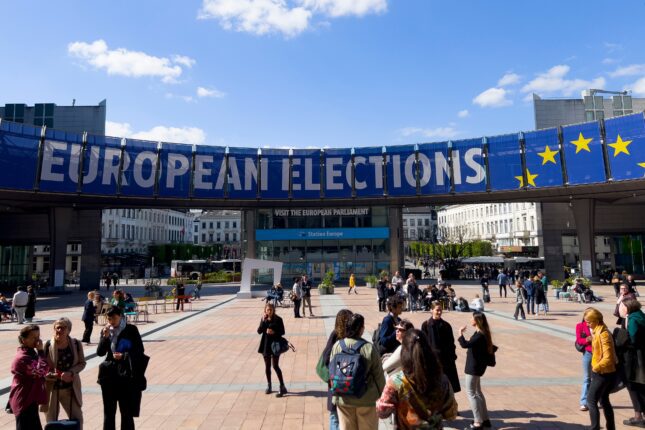
When Luxembourg’s Green Party was offered the defense portfolio in coalition talks after performing strongly in the country’s 2019 elections, its senior members faced a dilemma. Never before had a party of its political stripe held that brief anywhere in the world.
Some of the Green rank and file, drawn from pacifist backgrounds, seemed uncertain as to what to make of it all. But to François Bausch, the Green politician who ultimately took on the roles of defense minister and deputy prime minister there, the answer seemed obvious. Here was an opportunity for the party to advocate for climate security from a highly relevant perch, all while showing voters that it could be trusted with such strategic concerns.
-
International Donors and AID Beneficiaries Face Elevated Cybersecurity Threats
›
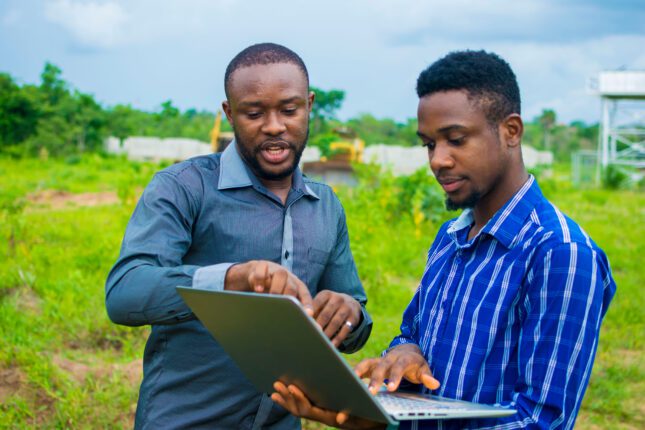
The promise of global connectivity to enhance developing countries’ well-being is a reality as more citizens go online and international donors and their partners improve their digital service delivery. This surge can spur economic growth, advance freedom, boost transparency, increase accountability, strengthen civil society, and empower women.
-
The US Department of Defense’s Role in Integrating Climate Change into Security Planning
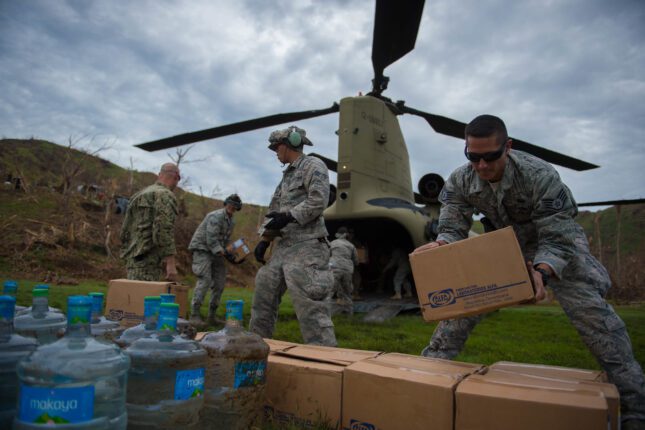
›The recent floods and landslides in Brazil, displacing almost 100,000 and killing at least 100, reminds us that climate change-fueled extreme weather, combined with an intense El Niño, is a deadly combination. Governor Eduardo Leite of the southern Brazilian province, Rio Grande du Sol, described the devastation the region was subjected to as “unprecedented.” As President Luiz Inacio Lula da Silva noted: “We need to stop running behind disasters. We need to see in advance what calamities might happen and we need to work.”
-
The Arc | Dr. Mizan Khan on Loss and Damage and Bangladesh’s Role as a Climate Adaptation Leader
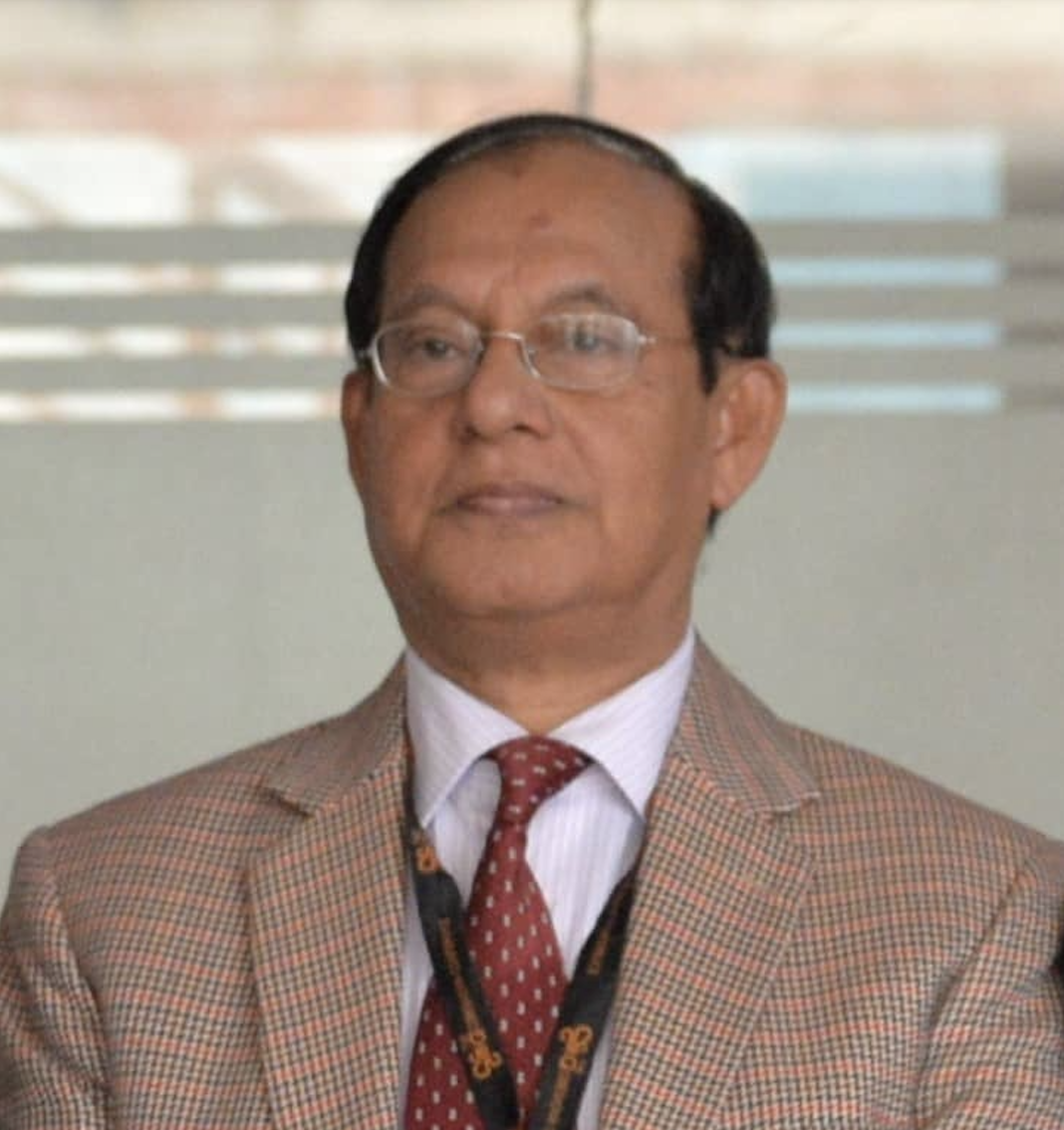
›In today’s episode of New Security Broadcast, ECSP’s Claire Doyle and Angus Soderberg speak with Dr. Mizan Khan, Technical Lead at the Least Developed Countries Universities Consortium on Climate Change. Dr. Khan was formerly the Deputy Director at the International Center for Climate Change and Development (ICCCAD), a research institute based in Bangladesh.Dr. Khan describes Bangladesh’s vulnerability to climate change and its unique role as an adaptation leader. He also discusses what he believes the core principles of the Loss and Damage Fund should be, and the legacy of the late Dr. Saleemul Huq.
-
Don’t Panic US: China’s Nuclear Power Ascendancy Has Its Limits
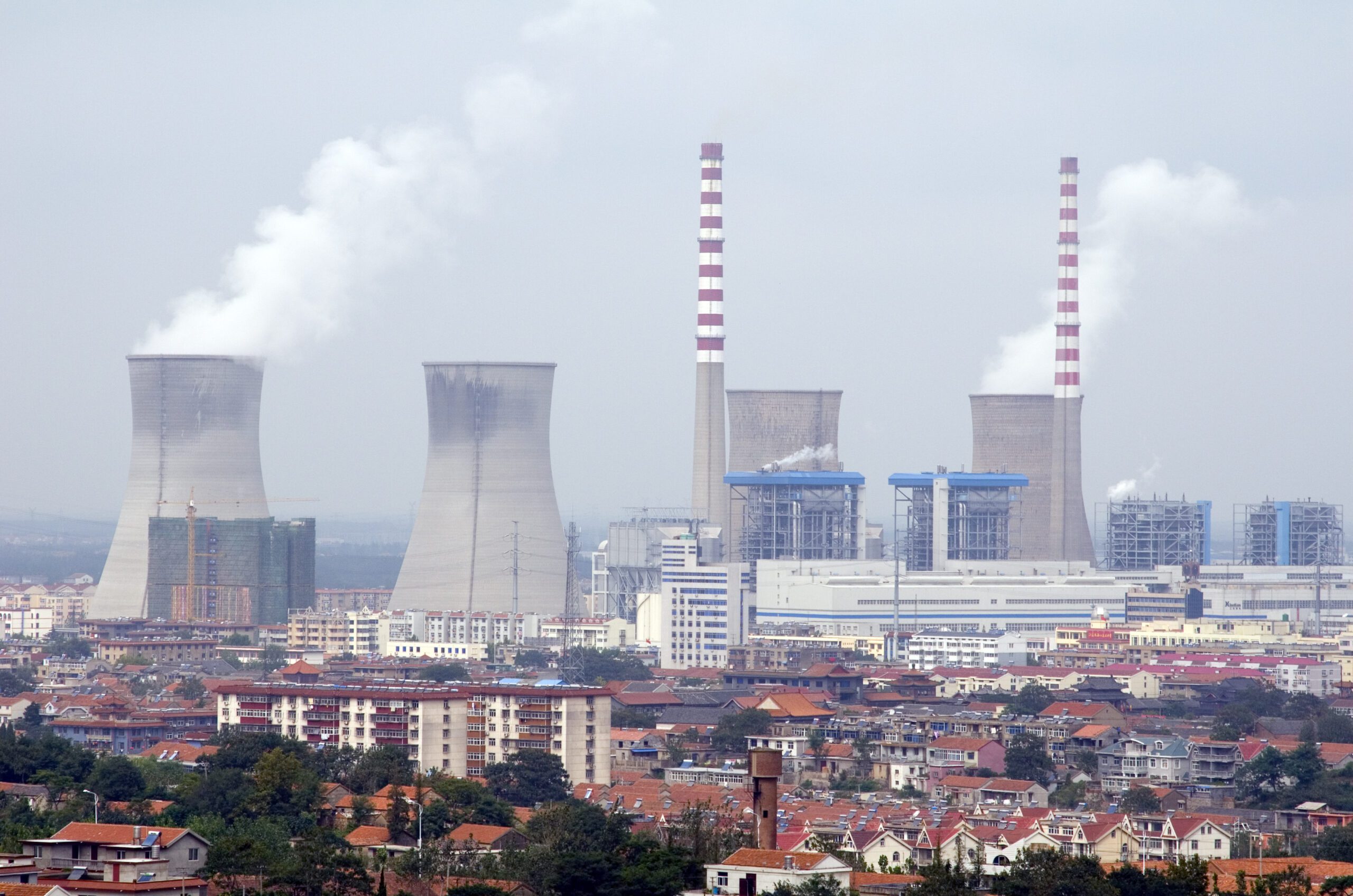
›Like bamboo sprouts after the rain, nuclear reactors are going up quickly across China. There are 36 reactors under development, and Beijing can approve as many as 10 new ones a year. Within a decade, China will likely pass the United States—which has 93 operating commercial nuclear reactors at 54 power plants—as the world’s biggest generator of nuclear power.
-
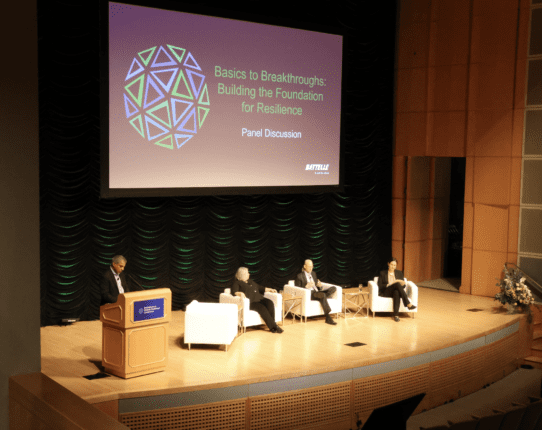
Key Takeaways from the Innovations in Climate Resilience Conference
›Historically, efforts to mitigate climate change have taken precedence over building resilience to its impacts. But from Pakistan to the Amazon, communities on the front lines are already experiencing the devastating effects of a warming world.
In recent weeks, devastating floods have claimed the lives of over 450 people in East Africa, as heavy rains linked to El Niño and changing climate patterns overwhelmed communities and infrastructure. Similar tragedies unfolding in Brazil, Pakistan, and Afghanistan underscore the human cost of being unequipped to protect against the worst impacts of climate change.
-
Thought-leaders and Frontline Workers in Environmental Peacebuilding: An Oral History | Dr. Dhanasree Jayaram
›Environmental Peacebuilding Oral History // New Security Broadcast // May 10, 2024 // By Claire Doyle
In today’s episode of New Security Broadcast, ECSP’s Claire Doyle speaks with Dr. Dhanasree Jayaram, Program Manager at Climate Diplomacy and Assistant Professor at the Manipal Academy of Higher Education in India. Dr. Jayaram describes what environmental peacebuilding looks like in the context of South Asia, how climate diplomacy connects to environmental peacebuilding, and how the field has evolved. In looking at the future of environmental peacebuilding, she also raises insights and questions that an environmental peacebuilding lens can help us consider as we push forward on climate action.
-
Q&A: Midwives as a Vital Climate Solution
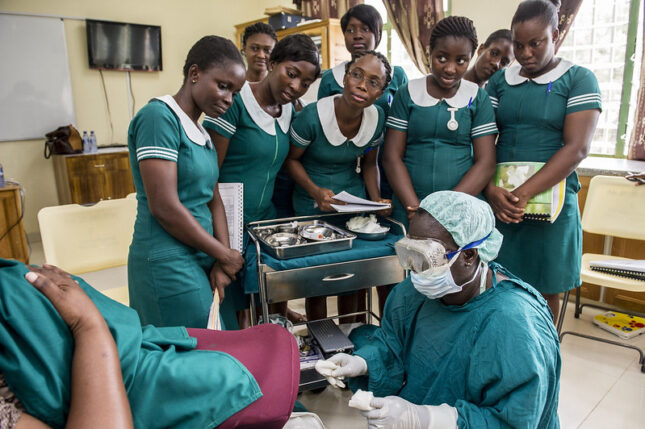
›Dot-Mom // Guest Contributor // Q&A // May 3, 2024 // By Esther Bander, Rosemary Ngougu, Eugenia Mensah, Angeline Houman & Pandora HardtmanMay 5th is the International Day of the Midwife. This year’s theme, “Midwives: A Vital Climate Solution,” acknowledges the role that midwives play by delivering environmentally sustainable health services, adapting health systems to climate change, and as first responders when climate-related disasters occur. Empowering a resilient health workforce with midwives as first contacts for maternal health care can improve universal health coverage through reductions in environmental impact, as well as more efficient, less costly health systems, and stronger local economies.
Showing posts from category development.
 In today’s episode of New Security Broadcast, ECSP’s Claire Doyle and Angus Soderberg speak with Dr. Mizan Khan, Technical Lead at the Least Developed Countries Universities Consortium on Climate Change. Dr. Khan was formerly the Deputy Director at the International Center for Climate Change and Development (ICCCAD), a research institute based in Bangladesh.