-
Security Council Debates how Climate Disasters Threaten International Peace and Security
›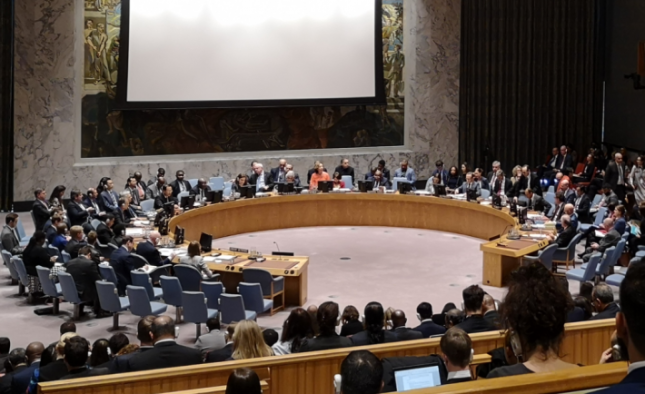
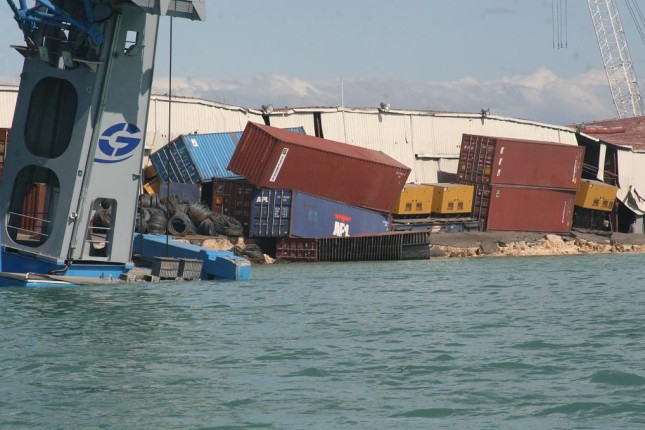
On 25 January 2019, the UN Security Council held an open debate to discuss the security implications of climate-related disaster events. The meeting, initiated by the Dominican Republic, underscored the global nature of climate-related disasters. Most speakers highlighted the need for better climate risk management as an important contribution to safeguarding international peace and security. The debate marks the beginning of a year in which climate security ranks high on the UN’s agenda.
-
Patricia Da Silva: ‘The Time is Now’ to Accelerate Progress for Sexual and Reproductive Health and Rights
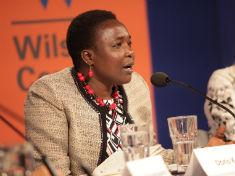
› “Almost everyone of reproductive age—about 4.3 billion people—will not have access to at least one essential or reproductive health intervention over the course of their lives,” said Patricia Da Silva, Associate Director, International Planned Parenthood Federation United Nations Liaison Office. She spoke at a recent Wilson Center event showcasing recommendations from the Guttmacher-Lancet Commission report, “Accelerate progress–sexual and reproductive health and rights for all,” on how to advance sexual and reproductive health from a human rights perspective.
 -
China’s Demand for Raw Materials Harms Communities Around the World
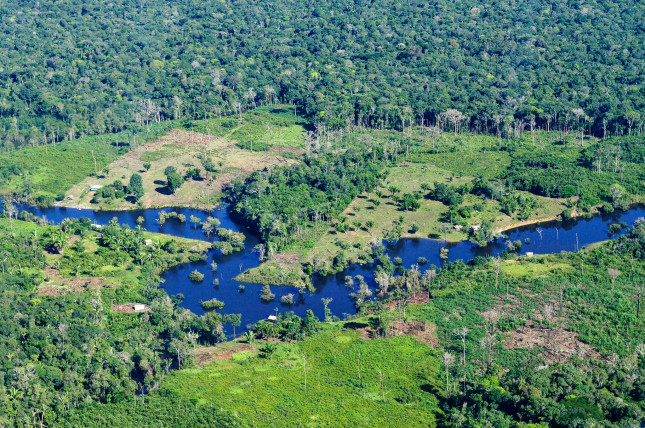
›The Solomon Islands’ “commercially available forests will be gone in about 15 years” due to deforestation, said Lela Stanley, a Policy Advisor for Global Witness’ Asia Forests team at the Wilson Center’s recent China Environment Forum event. It looks like they are logging about 20 times faster than they should for the logging to be sustainable, she added. While timber from the islands is exported to China—the world’s largest importer and consumer of timber products—local residents and communities bear the brunt of the environmental cost of lost ecosystem services suffered at the hands of the timber trade. And they aren’t alone. China’s insatiable demand for raw materials and its harmful resource extraction practices wreak havoc on the ecosystems of its many producer countries.
-
Disaster Relief Law Updated to Enhance Resilience of Critical Infrastructure
›Until recently, if a natural disaster destroyed or damaged critical infrastructure, U.S. disaster relief law generally required it to be replaced or rebuilt in a “substantially similar” manner. This requirement made no sense for several reasons. In some cases, old, outdated infrastructure no longer exists, so replacing it in the same manner would be difficult, if not impossible.
-
Groundwater Scarcity, Pollution Set India on Perilous Course
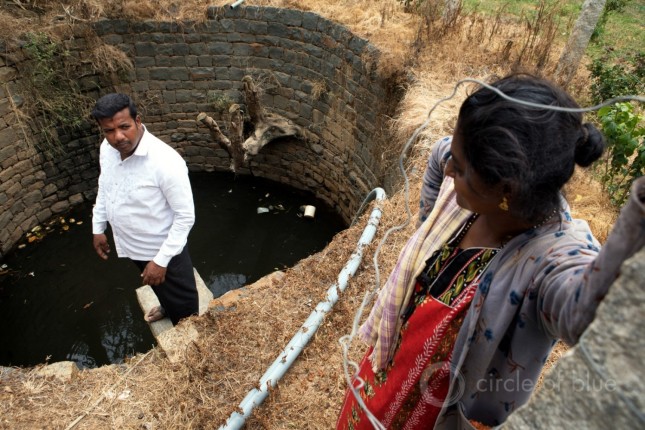
›Doula Village lies 55 kilometers (34 miles) northeast of New Delhi on a flat expanse of Uttar Pradesh farmland close to the Hindon River. Until the 1980s Doula Village’s residents, then numbering 7,000, and its farmers and grain merchants, thrived on land that yielded ample harvests of rice, millet, and mung beans. The bounty was irrigated with clean water transported directly from the river, or with the sweet groundwater drawn from shallow wells 7 meters (23 feet) deep.
-
Doris Kaberia on Public-Private Partnerships and Holistic Approaches to Water Management in Kenya
›“You cannot separate water and health,” says Doris Kaberia in this week’s Water Stories podcast. “People need safe drinking water for them to be healthy.” Kaberia works with Millennium Water Alliance, a coalition of international NGOs working on water sanitation and hygiene around the world, where she manages a Kenyan water program. -
New Security Beat’s Biggest Stories of 2018
›In 2018, our readers came to New Security Beat to understand how individuals and communities cope in the face of environmental uncertainty, particularly when the rule of law, natural resource management, and social services are lacking.
-
Resource Nexus Approaches Can Inform Policy Choices
›Guest Contributor // January 8, 2019 // By Stacy D. VanDeveer, Raimund Bleischwitz & Catalina SpataruThe unabated growth of natural resource consumption raises risks that we will outstrip the capacities of ecosystems and governance institutions. At the same time, to achieve important global goals related to poverty alleviation, public health, equity and economic development such as those embodied in the United Nations Sustainable Development Goals (SDGs), we will simultaneously need more resources and better management of natural resources everywhere.
Showing posts from category development.
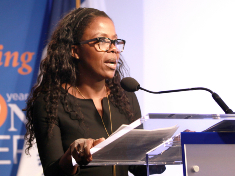 “Almost everyone of reproductive age—about 4.3 billion people—will not have access to at least one essential or reproductive health intervention over the course of their lives,” said Patricia Da Silva, Associate Director, International Planned Parenthood Federation United Nations Liaison Office. She spoke at a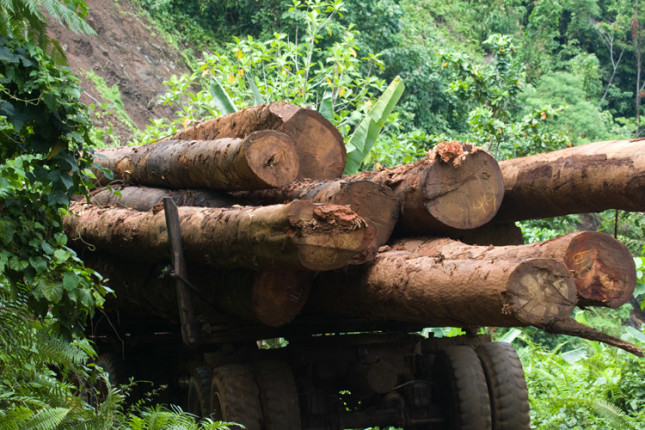
 “You cannot separate water and health,” says Doris Kaberia in this week’s Water Stories podcast. “People need safe drinking water for them to be healthy.” Kaberia works with Millennium Water Alliance, a coalition of international NGOs working on water sanitation and hygiene around the world, where she manages a Kenyan water program.