-
Resource Nexus Approaches Can Inform Policy Choices
›Guest Contributor // January 8, 2019 // By Stacy D. VanDeveer, Raimund Bleischwitz & Catalina Spataru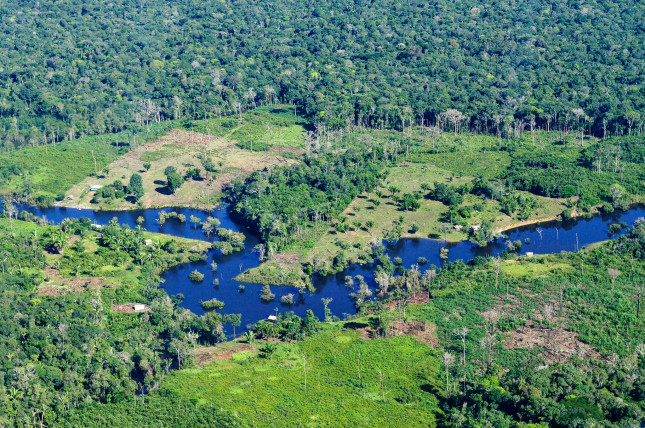
The unabated growth of natural resource consumption raises risks that we will outstrip the capacities of ecosystems and governance institutions. At the same time, to achieve important global goals related to poverty alleviation, public health, equity and economic development such as those embodied in the United Nations Sustainable Development Goals (SDGs), we will simultaneously need more resources and better management of natural resources everywhere.
-
The Tetherball Effect: How Efforts to Stop Migration Backfire
›
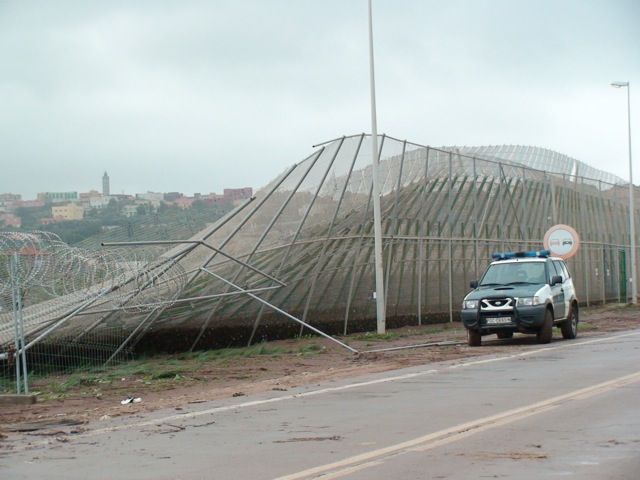
Fears of Central American caravans and Saharan smugglers keep European and U.S. leaders up at night. Desperate to manage migration, they turn to short-term fixes, which include blocking borders and supporting authoritarian leaders to contain people—their own citizens and others—before they get close to Europe or the United States. This bit of political theater appeals to some, but has limited effects in overall numbers. The long game consists of addressing root causes so people no longer feel compelled to move at all. But this too will do little to prevent migration north. If anything, it will encourage more people to move.
-
Toxic Water, Toxic Crops: India’s Public Health Time Bomb
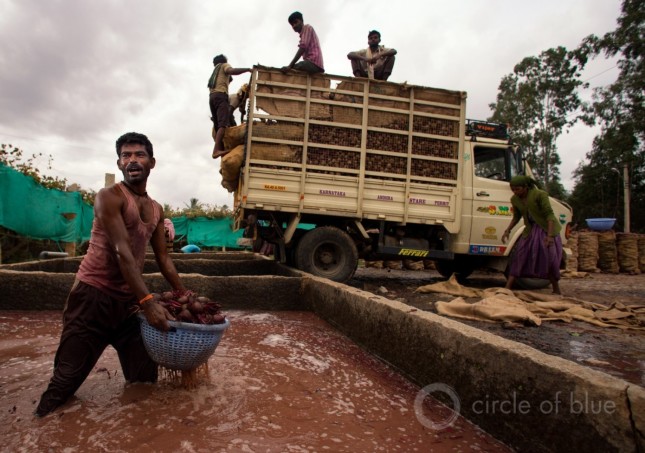
›China Environment Forum // Choke Point // January 3, 2019 // By Jennifer Möller-Gulland, J. Carl Ganter & Cody T. PopeBENGALURU, India – In a small town in the suburbs of this booming city, K.V. Muniraju knows all too well the decade-old battle of securing water for his crops. With groundwater tables continuously falling, the middle-aged farmer once borrowed heavily to dig wells ever deeper.
-
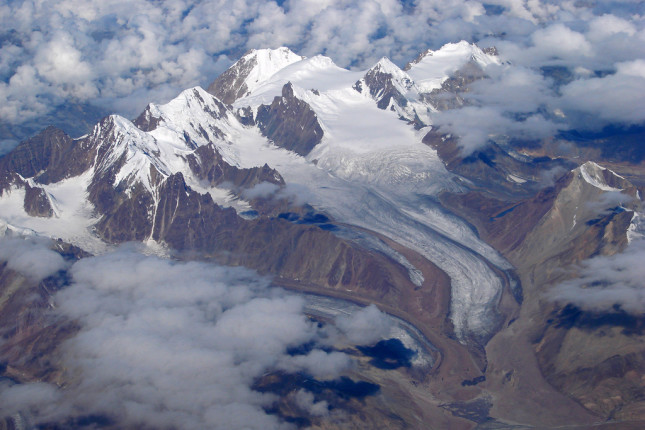
Snow and Ice Melt Patterns Help Predict Water Supply for Major Asian River Basins
›“For the longest time we thought that water was forever renewable and that it would always be there,” said Gloria Steele, Acting Assistant Administrator for Asia with USAID, at a recent Wilson Center event on water security in High Asia. “We now know that is not the case, and we need to protect it and manage it effectively.”
-
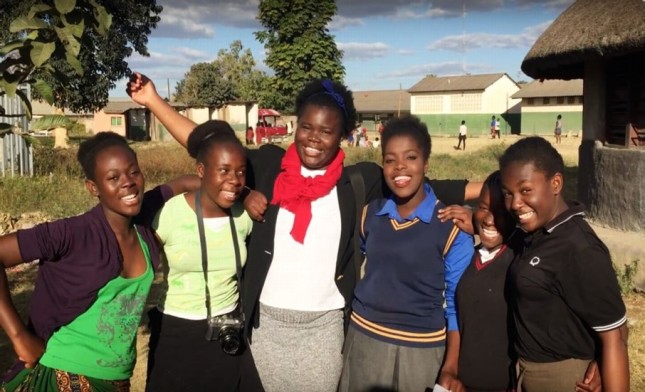
Innovative Approaches Empower Adolescent Girls to Live HIV-free Lives
›“Everyone in the community knew that I was the next [to get pregnant], but I was so determined that until I achieve my dream of becoming an accountant, I will not drop out of school, and I will not get pregnant,” said Rebecca Acio, a 19-year-old Ambassador for the Strengthening School-Community Accountability for Girls’ Education (SAGE) DREAMS Project, Uganda. She spoke at a recent Wilson Center event on emerging lessons from the DREAMS Innovation Challenge. As a peer educator at her school in Lira, Uganda, and a temporary dropout herself, Acio “knew what it cost to be a dropout” and worked to identify other at-risk girls to encourage them to stay in school.
-
How Gender and Climate Change Can Be Integrated Into Military Operations (Book Preview)
›As the United States develops a strategy to guide all military services on how to promote the participation of women in conflict prevention, management, and resolution, and to better protect women and girls in situations involving armed conflict, it could supplement the work already being done in the Department of Defense by studying the examples of other countries and international organizations. When shaping its framework, it should also consider the links between conflict, women, and climate change in developing best practices. -
More than Just a BRI Greenwash: Green Bonds Pushing Climate-Friendly Investment
›From the cultural hub of Lahore down to the bustling ports of Karachi, smog is king in Pakistan, with citizens enduring unhealthy air quality for much of the year. The smog, generated mostly by crop and garbage burning and diesel emissions from furnaces and cars, could get worse by the end of this year when Pakistan opens five new Chinese-built coal power plants, funded by a $6.8 billion venture under the China-Pakistan Economic Corridor (CPEC) initiative. These five plants are just the beginning of the Pakistan government’s planned 7,560 MW expansion in coal power, which are CPEC-energy priority projects. “It’s a perfect storm for a pollution crisis,” said Michael Kugelman of the Wilson Center’s Asia Program. “The poor will continue to burn a variety of polluting materials to produce fuel, and now you’re also going to be introducing dirty coal into the mix. Combine that with crop burning in the countrywide and car exhaust fumes in rapidly growing cities, and you’ve got a really smoggy mess on your hands—and in your lungs.”
-
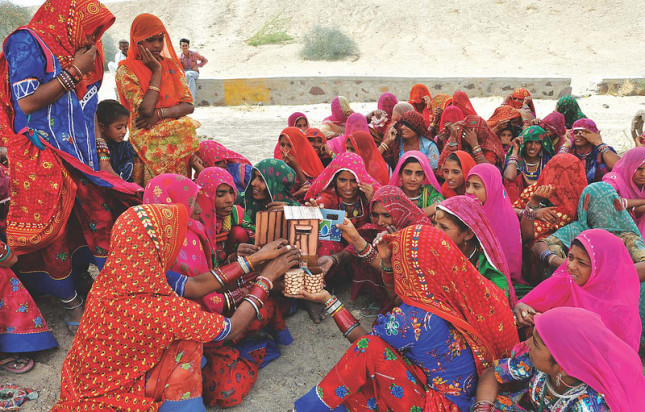
Women Are the Secret Weapon for Better Water Management
›December 11, 2018 // By Wilson Center StaffIn the 1980s, the government of Malawi began providing piped water to low-income households in 50 districts, establishing community-run tap committees to collect bills and manage systems. Men made up 90 percent of committee memberships—and problems quickly became apparent.
Showing posts from category development.
 As the United States develops a strategy to guide all military services on how to promote the participation of women in conflict prevention, management, and resolution, and to better protect women and girls in situations involving armed conflict, it could supplement the work already being done in the Department of Defense by studying the examples of other countries and international organizations. When shaping its framework, it should also consider the links between conflict, women, and climate change in developing best practices.