-
How Building Political Will in Asia Could Improve Environmental Governance
›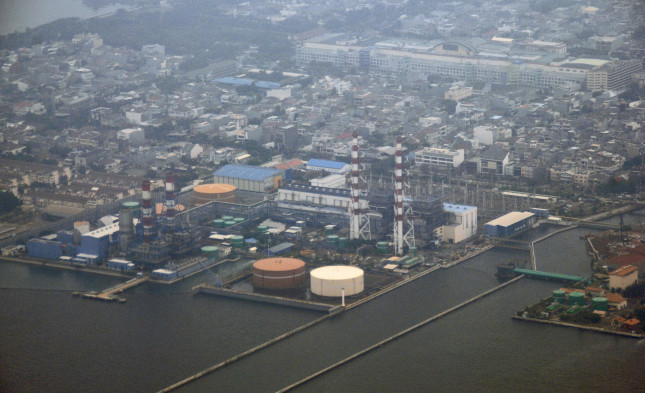
A high degree of political will is one of several pre-conditions needed for good environmental management, said Kim DeRidder, Regional Director for Environmental Programs at the Asia Foundation. He spoke at a round-table on Advancing Environmental Governance Across Asia hosted by the Asia Foundation. While he emphasized the need to promote political will within Asia, he questioned whether the bold pledges that some Asian countries made in the Paris Agreement, such as the Philippines’ pledge to reduce emissions by 70 percent by 2030 and Indonesia by 26 percent, were realistic given the significant disconnect between what a country claims it is going to do and what it can actually do.
-
Chinese Solar Shines at Home and on the Road
›
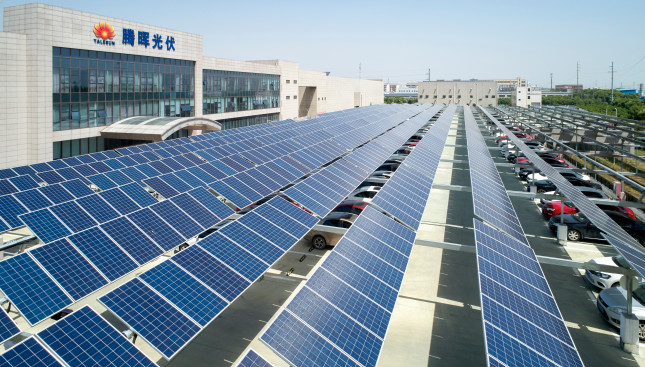
For solar industry professionals in China, May 31, 2018, is a day that will live in infamy. At the beginning of 2018, Chinese domestic solar developers were riding a high after reaching a record 53 GW of newly installed solar capacity the previous year. Most sources projected this breakneck pace of new solar construction would continue through 2018. On June 1, 2018, however, the National Development and Reform Commission, Ministry of Finance, and National Energy Agency announced a new policy to lower the solar feed-in-tariff, halt subsidized utility-scale development, and implement a quota for distributed projects. Industry professionals refer to the infamous policy as “531” for May 31, 2018, the day that the solar industry ground to a temporary halt or “freezing point.”
-
Where Life Begins: Reducing Risky Births in a Refugee Camp
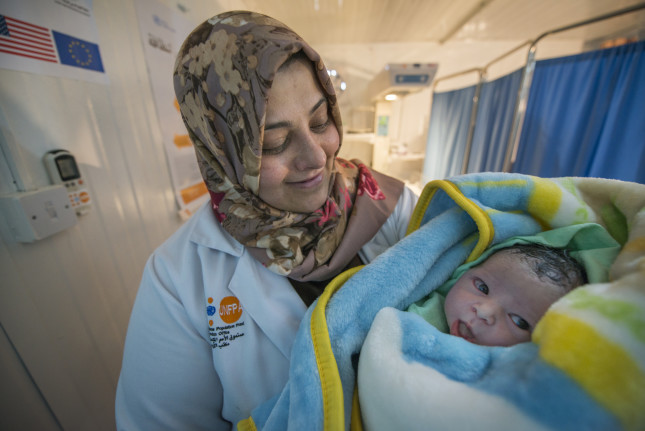
›Zaatari camp, the largest Syrian refugee camp in the world, sits less than 12 kilometers away from the border between Syria and northern Jordan. Rows of houses disappear into the desert, making it hard to tell where the camp begins and ends. Metal containers pieced together like patchwork are home to around 80,000 refugees. The remnants of tattered UNHCR tents cover holes in the walls. Almost seven years after the camp opened, this dusty sea of tin roofs has evolved into a permanent settlement.
-
Democracy Under Assault: Guatemala Attempts to Silence Eco-populists
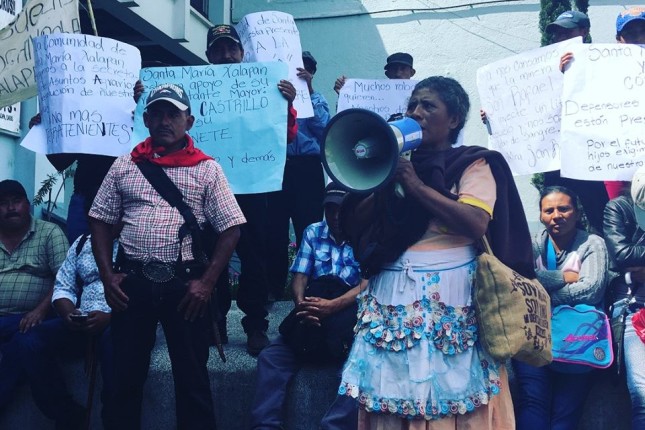
›While the U.S. has been fixated on President Trump’s contentious border wall project, another more ominous threat facing Guatemalans is building internally. In a swift reversal, many politicians and scholars who have previously argued for directing increased U.S. aid to communities in Central America’s Northern Triangle—Guatemala, El Salvador, and Honduras—as a humanitarian alternative to the border wall, are now calling on Congress to suspend some forms of aid to Guatemala, which they now see as the more humane option.
-
Sam Huston on Stabilizing Water Utilities in Fragile Environments
›“One of the interesting things about dealing with water and sanitation issues is that in many ways it’s a crosscutting issue,” said Sam Huston, Chief of Party at Tetra Tech’s USAID-supported Water Supply, Sanitation, and Hygiene Financing (WASH-FIN) Project. Practitioners often must deal with multiple challenges that are usually much broader than their specific focus, he noted during an interview for this week’s Water Stories podcast. -
On Tap: Seeking a Game Changer to Stop China’s River Pollution
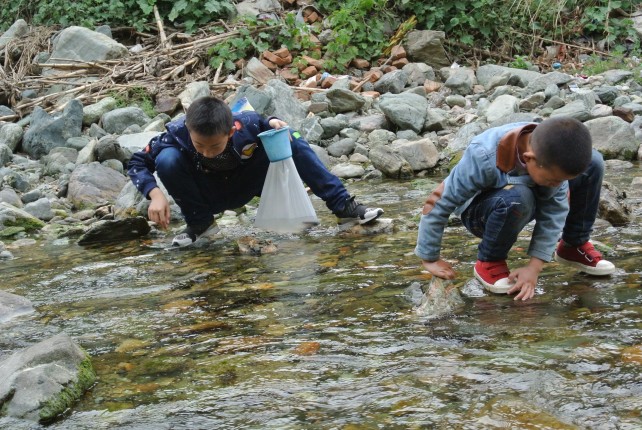
›In Wuxi, a city 84 miles west of Shanghai, nearly 2 million residents had foul smelling green water coming out of their taps for a week in May 2007. Wuxi sits on the shores of Lake Tai, China’s third largest freshwater lake. And on that week in May, it experienced a perfect cocktail of industrial effluents, agricultural runoff, and sewage, which created a toxic cyanobacterial bloom, leaving 70 percent of the city’s water undrinkable. The Lake Tai incident was not an anomaly. Poor oversight and enforcement of water pollution regulations and standards has long left between 30 and 50 percent of China’s surface and groundwater undrinkable.
-
Choke Point Solutions: Can Western China Lower its Coal-Water Risk?
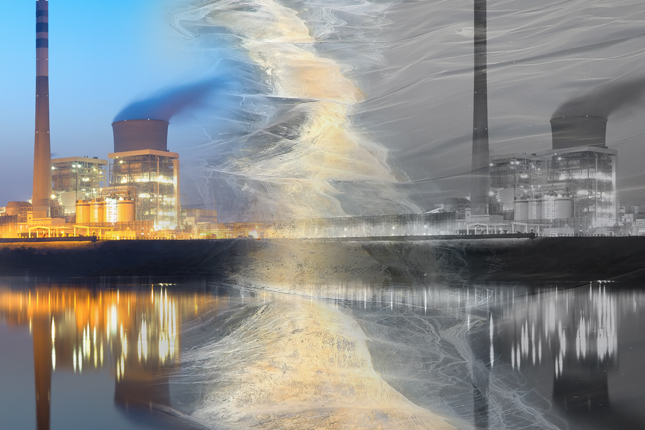
›China’s war on pollution and goals to lower carbon emissions are noteworthy as the United States takes a back seat in the global energy transition. Cleaner air and low carbon efforts in China could significantly change the country’s environmental health story and contribute to global efforts to lower greenhouse gas emissions. However, China’s energy reforms look less green now than they seemed after Paris in 2015. While China’s rate of increase in CO2 emissions has slowed and the share of renewables in its energy mix continues to grow, the Chinese government’s pursuit of clean air along its east has shifted more polluting and water-intensive coal-fired power development into the country’s west. To continue to lead the way in this “Asian Century,” China must further incorporate water-saving reforms into its energy and environment plans.
-
Warzone Conservation in Afghanistan: Build a National Park, Build Democracy
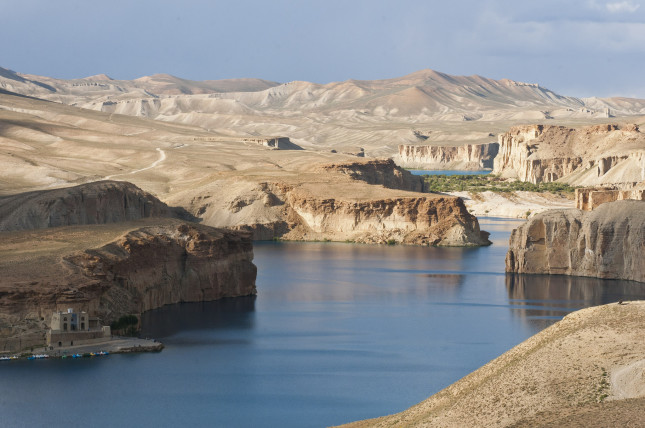
›“For people who have been refugees for the last 30 years, protecting Afghan wildlife was a way of protecting your own identity,” said Alex Dehgan, CEO and founder of Conservation X Labs, who recently spoke at the Wilson Center at the launch of his book, The Snow Leopard Project: And Other Adventures in Warzone Conservation. He credited his success in Afghanistan to crucial community members. By tapping into their local pride in conservation, Dehgan was able to establish the foundations for the country’s first national park, Band-e-Amir National Park, which opened 2009 in order to protect the endangered snow leopard and the rich biodiversity of Bamyan Province.
Showing posts from category development.
 “One of the interesting things about dealing with water and sanitation issues is that in many ways it’s a crosscutting issue,” said Sam Huston, Chief of Party at Tetra Tech’s USAID-supported