-
Fair Trade Seeks a Foothold in Artisanal Gold Mining
›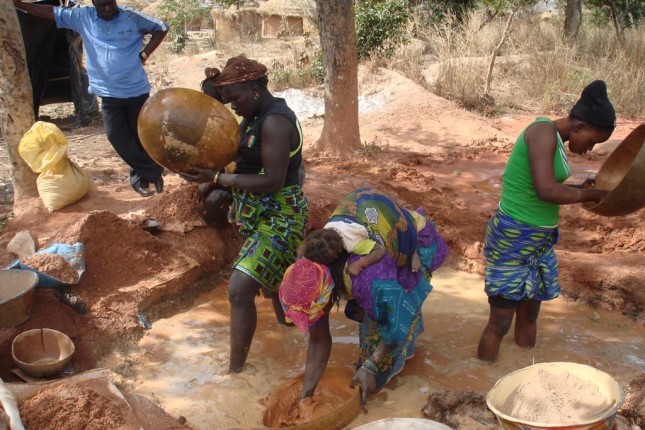
COVID-19 isn’t the only problem going viral. Economic insecurity is driving gold prices to record highs around $1,700 per ounce, causing levels of global mercury pollution to rise too. In the United States coal-fired power plants drive mercury pollution, but globally, the leading cause is small-scale ‘artisanal’ gold mining. Roughly 30 million men, women, and children in poor countries depend on mining for subsistence incomes. Unfortunately, the cheapest and easiest way to mine gold uses mercury, a highly toxic heavy metal the United Nations is striving to eliminate.
-
The COVID-19 Pandemic and Vulnerable Populations: A Wilson Center NOW Interview with James Hollifield
›
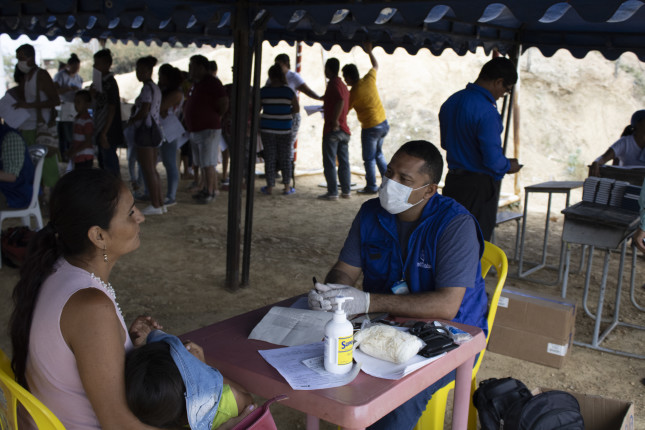
Refugees and migrants are the most vulnerable and will bear the brunt of the Covid-19 pandemic, said James Hollifield, a Wilson Center Global Fellow, in a recent episode of Wilson NOW. These populations are often already at higher risk due to insufficient water and food supplies, and those confined in large camps are at greater risk of spreading the disease. According to Hollifield, although we have not yet seen the full extent of the damage, “we can see with both refugees and migrants in particular, especially seasonal migrants, that there’s a great danger here of the virus spreading like wildfire in the camps and in the dormitories.”
-
Water for the Most Vulnerable Could Help Stop Spread of Covid-19
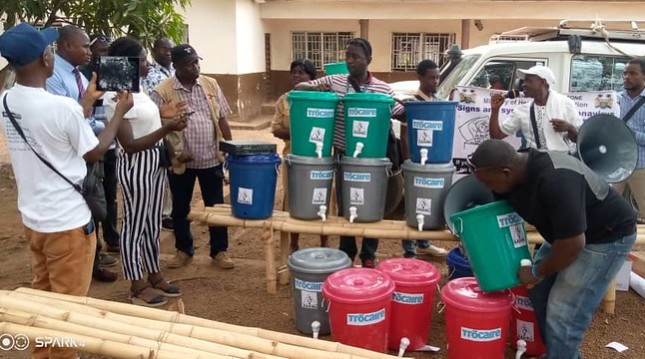
›Development specialists are sounding the alarm. The pandemic will not be stopped unless we provide safe water to the world’s most vulnerable people, according to UN experts. Soap and clean water are part of the arsenal of weapons we can deploy on the frontlines of the battle to halt the virus’ spread. Yet Covid-19 continues to pose an unprecedented threat to more than 2 billion of the world’s poorest people who lack the access to safe water, sanitation, and health services (WASH) needed to protect them during infectious disease outbreaks, according to the World Health Organization.
-
Navigating Land and Security When Climate Change Forces People to Relocate
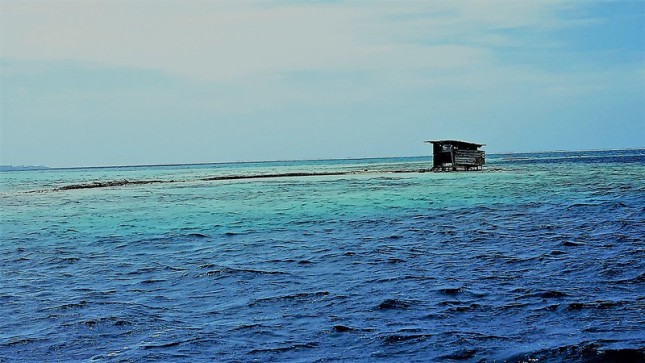
›At an event organized by the Coalition of Atoll Nations on Climate Change in December 2019, Tabitha Awerika, 21, from Kiribati, urged world leaders to listen to the climate science and to the pleas of those living in the South Pacific. “I will not leave the lands of my ancestors,” she said. “I will not abandon my motherland. I refuse to leave the only place I call home.”
-
Unpacking Covid-19 and the Connections Between Ecosystems, Human Health, and Security
›“What are the underlying drivers of risk that created the conditions for Covid-19 to emerge, and how do we better address them?” said Lauren Herzer Risi, Project Director for the Environmental Change and Security Program, in this week’s Friday Podcast, recorded during a recent Wilson Center Ground Truth Briefing on the Covid-19 pandemic. This question framed the discussion, which explored the intersection of the environment, public health, and national security. Although the global pandemic came as a shock to many, the novel coronavirus was not a surprise to epidemiologists and experts who had been sounding the alarm for decades. There have been clear signals of the risks we face from animal-to-human virus transmission, including Ebola, SARS, and other regional epidemics, said Risi. These zoonotic diseases, especially now, are creating concerns about food safety, wildlife conservation, and public health. But the risks don’t just come from wet markets and our increasingly connected world. -
Local Solutions Needed to Stem Humanitarian Crisis in Central America’s Dry Zone
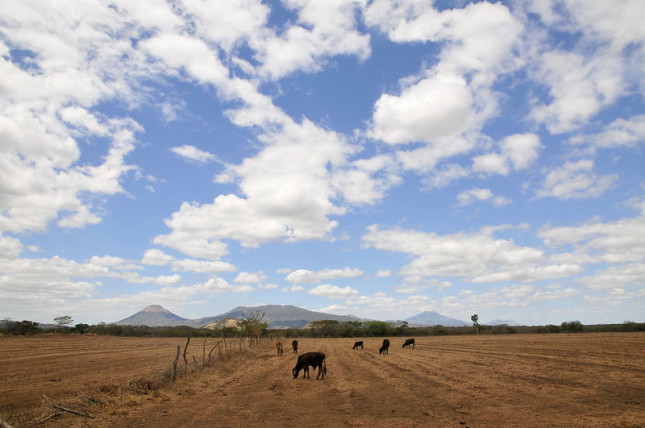
›As the humanitarian community responds to the Covid-19 pandemic, other long-term pressing priorities persist and require innovative solutions. The dry zone which extends across Central America encompassing parts of Guatemala, Honduras, El Salvador, and Nicaragua and a 10-year drought has left 1.4 million people in urgent need of food assistance. The impact of climate change, which includes extreme drought, poses an ever-increasing risk across Central America and contributes not only to food insecurity but also to migration issues that have plagued the continent in recent years.
-
Investing in Girls and Women Could Set Stage for Peace, Development in Sahel
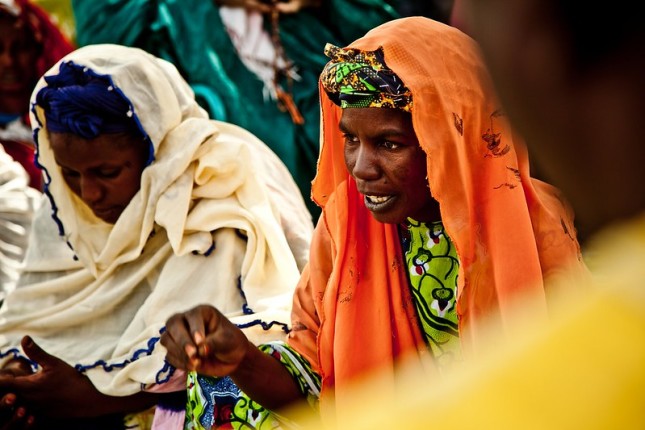
›The coronavirus pandemic has people throughout the world pondering how humankind should respond to a public health crisis. While individual countries are managing the crisis with varying degrees of success, we can all agree that the Covid-19 pandemic is commanding the international community’s attention. By contrast, it is much harder to get the world to care about the long-term public health crisis unfolding in the West African Sahel.
-
The Covid-19 Crisis in Africa
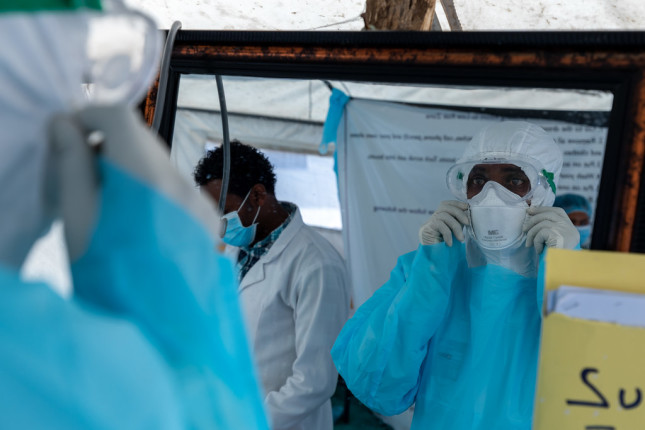
›“African countries are facing a severe health crisis. As of this morning, there are 14,573 confirmed cases of Covid-19 and 790 deaths in 52 out of 54 countries,” said Judd Devermont, director the Center for Strategic and International Studies’ Africa Program, at an April 13th event on the impacts of Covid-19 in Africa. The World Health Organization has estimated a 5 percent drop in Africa’s GDP and the United Nations Economic Commission for Africa (UNECA) believes that as many as 20 million jobs will be lost. There is also a political dimension to this crisis, as governments struggle to deliver services, provide safety and security, and allow people to continue livelihoods, said Judd.
Showing posts from category development.
 “What are the underlying drivers of risk that created the conditions for Covid-19 to emerge, and how do we better address them?” said Lauren Herzer Risi, Project Director for the Environmental Change and Security Program, in this week’s Friday Podcast, recorded during a recent Wilson Center