-
Zafar Imran, Le Monde diplomatique
Climate Change in the Indian Farmers’ Protest
›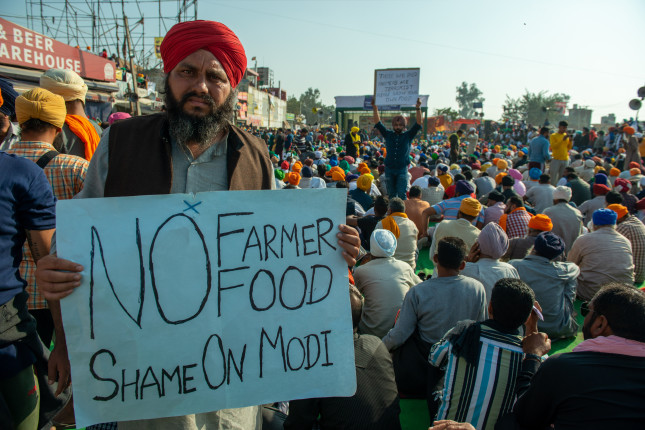
The ongoing farmers’ movement in India has taken the world’s largest democracy by storm. Hundreds of thousands from all over the country have laid siege to New Delhi for more than two months. As both the protestors and the government dig their heels in, the chances of confrontation and violence are increasing by the day.
-
The Third Wave of Environmental Peacebuilding
›
For most of 2020, news, politics, policy, and research in the United States and abroad were dominated by the challenges posed by COVID-19, a rapidly unfolding global pandemic unprecedented in scale and cost. For much of the world, however, COVID-19 in fact competed with many other highly destructive events including a cascade of environmental disasters. Swarms of locusts pushed much of the Horn of Africa into or close to famine; 30 severe storms including Hurricanes Iota and Eta battered the Atlantic coasts; some 4 million acres of forest burned to the ground in California, doubling the previous high reached in 2018; typhoons ravaged the Philippines; floods overwhelmed parts of Indonesia; and many regions around the world experienced devastating heat waves. In addition to disaster patterns, the trends in violent state conflict were equally alarming, reaching their highest level since the end of World War II, according to a 2020 report on conflict trends from PRIO. In the most violent conflicts, in Syria and Yemen, the impacts of war have been amplified and complicated by the impacts of drought and years of environmental mismanagement.
-
Vanessa Nakate on Giving Weight to the Voices of Those Most Affected by Climate Change
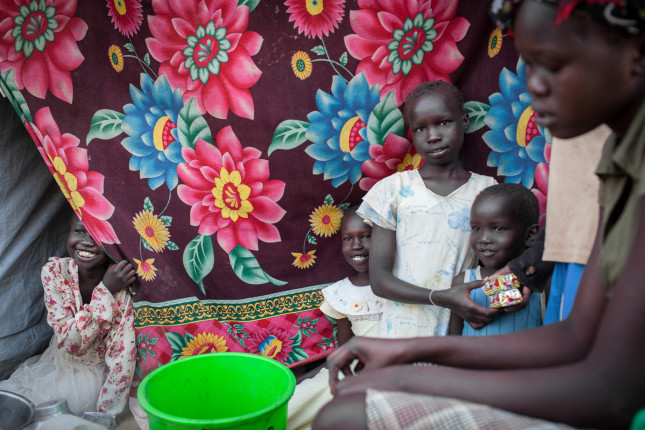
›“We need to give more weight to the voices of people who are most affected by climate change,” says Vanessa Nakate, a prominent Ugandan climate activist, in this week’s Friday Podcast. At the local, regional, and global levels, Nakate’s work sheds light on the imperative for policymakers to value the lived experiences of oft-overlooked groups such as women, youths, and citizens of developing nations. “When I talk about climate justice, it is not something that I want for the future—it is something that I want right now, because our present is catastrophic,” she says. -
New Constitution Could Help Chile Avert the Lithium Curse
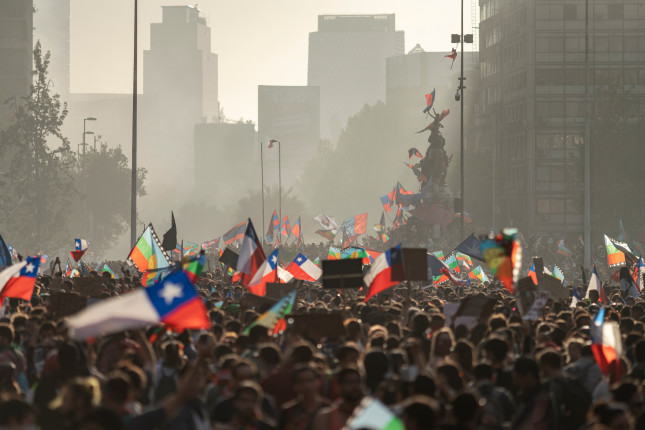
›December 3, 2020 // By Matthew GallagherChile is on the cusp of a new era. Just as its lithium—a common element of energy storage technology, which is itself a critical component of the clean energy transition—is experiencing a rise in global market demand, Chilean citizens have called for a new constitution.
-
Women Transforming Peace: Evaluating Progress 20 Years After Resolution 1325
›“Despite national action plans and legislation in 84 countries, women remain undervalued in peacebuilding, and we know today [women are] seriously underrepresented in peace processes,” said Kathleen Kuehnast, Director of Gender Policy and Strategy at the United States Institute of Peace (USIP), at a recent event with USIP and the U.S. Civil Society Working Group on Women, Peace and Security (U.S. CSWG).
-
Why Secondary Cities Deserve More Attention
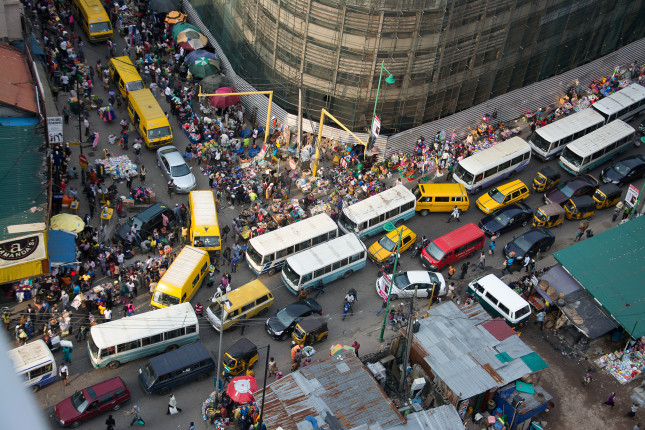
›Mention London, Rome, or New York, and people immediately conjure up Big Ben, the Colosseum, the Statue of Liberty. Beijing, Cairo, Mumbai? Check. They’ve heard of them. Megacities, the ones with lots of history, lots of people, and an oversized impact on the economy and culture, tend to be well-known.
Fewer people may know much about Addis Ababa, Dhaka, Lagos, or São Paulo — yet many would recognize the names. But who knows or has been to Darkhan, Mongolia or Santa Fe, Argentina or Boké-Kamsar in Guinea?
-
With War Over the GERD Unlikely, Institutionalizing Nile River Diplomacy Would Be a Wise Next Step
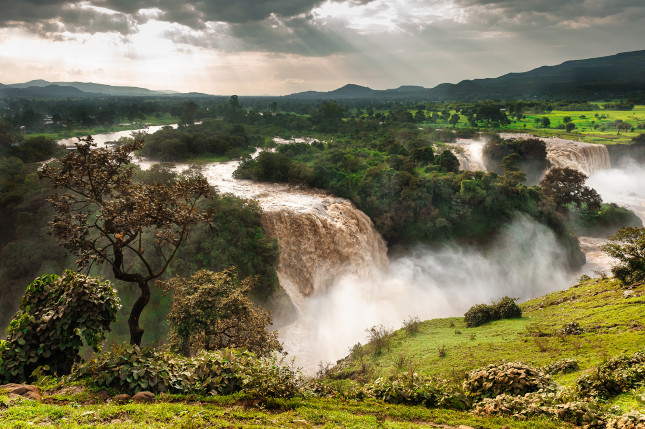
›The Grand Ethiopian Renaissance Dam (GERD) poses numerous challenges for the Nile river basin, but it also presents an opportunity for regional collaboration and shared prosperity, said Aaron Salzberg, Director of the Water Institute at the University of North Carolina and Wilson Center Global Fellow, at a recent event hosted by the University of North Carolina’s Center for Middle East and Islamic Studies.
-
Equitable, Effective Climate Resilience Requires Cultural Intelligence
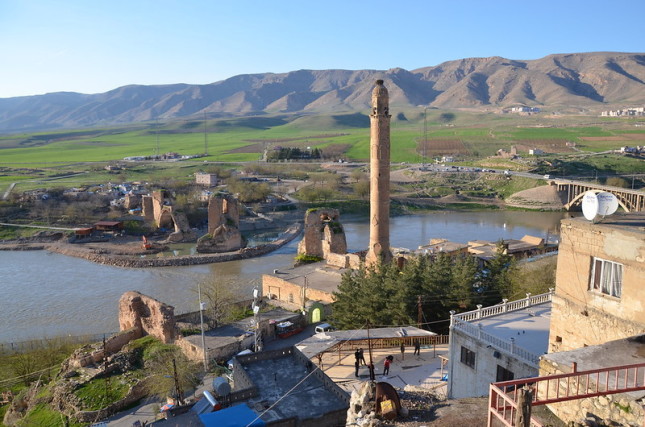
›By the end of 2020, Turkey’s long awaited Ilisu dam project will be complete. Turkey argues this new dam will bring power independence and shore up economic stability. As an added bonus, it ensures water resiliency in a water-scarce region. Meanwhile, environmentalists bemoan habitat destruction, and Iraqis worry about water shortages they will experience down river. For the Kurds, the Ilisu dam project wipes out thousands of years of culture. For them, it’s the latest in a methodical cultural extermination which has been their plight since the founding of the Republic of Turkey.
Showing posts from category development.
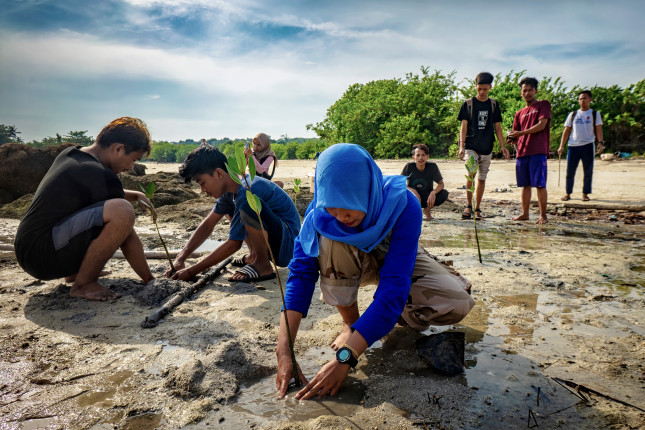
 “We need to give more weight to the voices of people who are most affected by climate change,” says Vanessa Nakate, a prominent Ugandan climate activist, in this week’s Friday Podcast. At the local, regional, and global levels, Nakate’s work sheds light on the imperative for policymakers to value the lived experiences of oft-overlooked groups such as women, youths, and citizens of developing nations. “