-
After the Landslide: A Closer Look at Loss and Damage in Nepal
›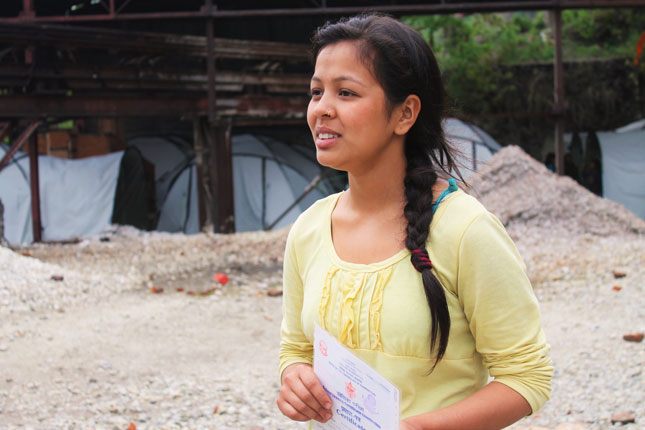
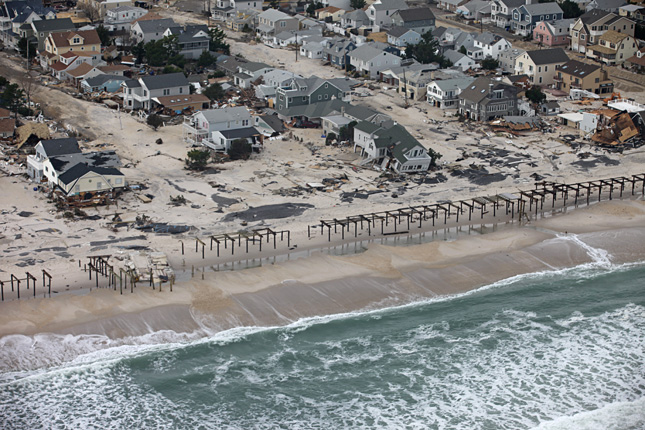
It had been raining for two full days when the landslide came. Nirjala Adhikari vividly remembers the instant it hit her village in Sindhupalchok District, Nepal. “It was a very scary moment, and I couldn’t think of anything else than grabbing my mobile phone and my school certificate before I ran out of the house,” she recalled. “I secured my certificate because only this will help me establish a bright future.”
-
UN Agency Calls for Global Transformation of Agriculture in the Face of a Changing Climate
›November 15, 2016 // By Sreya Panuganti
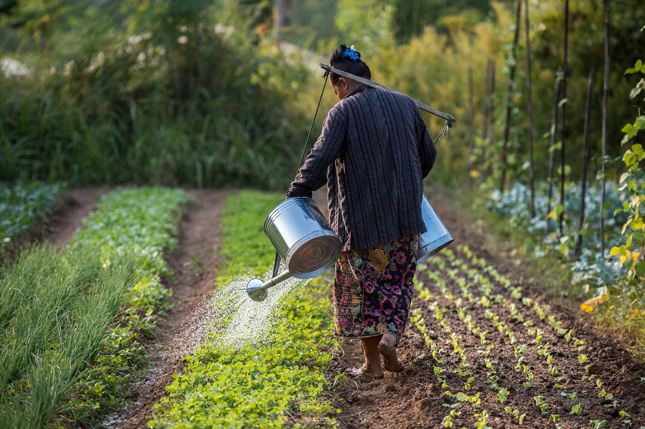
A recent report by the UN Food and Agriculture Organization (FAO) warns that over the next 15 years, climate change will add to the number of people living in poverty via its effects on the agriculture and food sectors. By 2030, climate-related effects on food-related livelihoods could lead to an additional 35 to 122 million impoverished people, according to the 2016 State of Food and Agriculture Report.
-
5 Insights and Recommendations for Loss and Damage at COP-22 and Beyond
›November 10, 2016 // By Roger-Mark De SouzaOver the past four years, I have been a member of the Resilience Academy, an initiative of the United Nations University, International Center for Climate Change and Development, and Munich Re Foundation bringing together thinkers from 29 countries to gather insight on climate change resilience and “loss and damage.” Loss and damage has many definitions, but broadly refers to the impacts of climate change that cannot be addressed via adaptation (adjusting to the effects) or mitigation (preventing them from happening at all).
-
5 Focal Points for U.S. Global Water Strategy (And Submit Your Own Too)
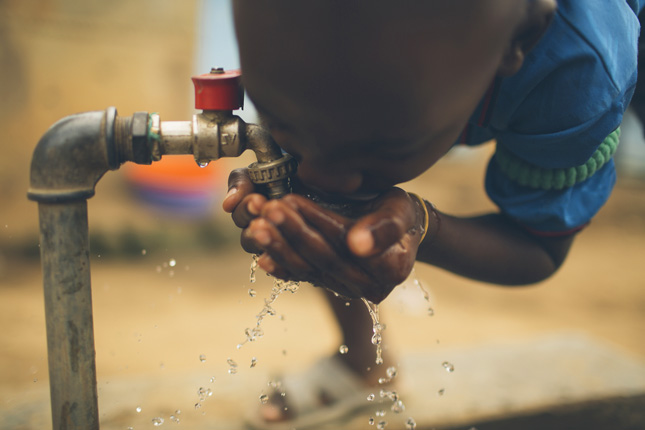
›November 3, 2016 // By Ken ConcaHave something to say about the U.S. government’s approach to water around the world? Here’s your chance. The Department of State has issued a public call for comment on its global water strategy. An open session was held in Washington last Friday, but written comments can be submitted until November 12.
For inspiration, here are points made by our own (and American University’s own) Ken Conca, edited for space:
-
Could Climate Change Keep Kids Out of School? Q&A With Environmental Sociologist Heather Randell
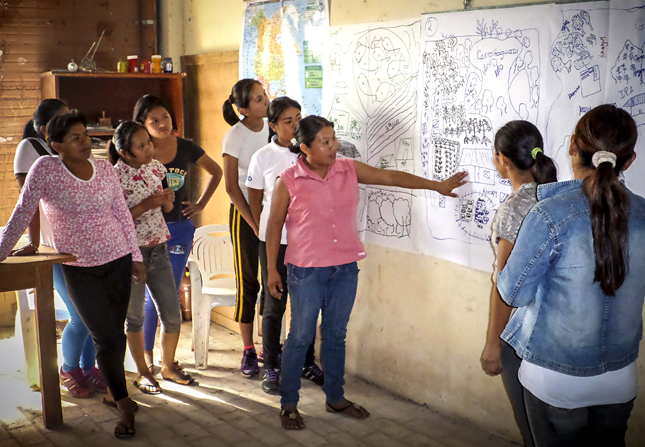
›Education is seen as a key tool for building resilience to climate change in the developing world. But new research shows that climate change could also make it harder to keep kids in school and ensure they get the best out of their time in the classroom.
-
Building a Case for Integrated Development: A New Research Agenda and Examples From the Field
›With the Sustainable Development Goals nearing their one-year anniversary, the global community continues to strive toward eradicating poverty by 2030. In order to achieve this ambitious target, many international development practitioners are embracing a more holistic approach to development, combining traditionally single-sector programming, like health or environment work, into more comprehensive efforts. But such integrated development is sometimes easier said than done.
-
A New Kind of Conservation: Making the Connection Between Community and Nature
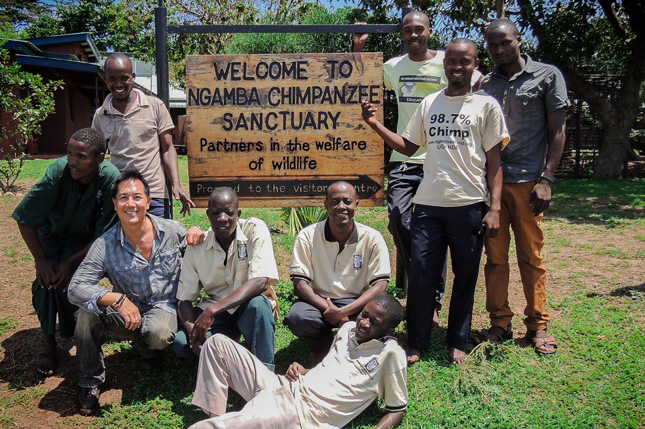
›An increasing number of conservation and health activists are beginning to understand the value of an integrated approach to development. Without addressing the needs of people, conservation measures will not be very effective, and conversely, without conservation, people lose vital natural resources and suffer consequences to their health.
-
The Women of Sarawak and Mindoro on the “Invisible Battles” of Climate Change
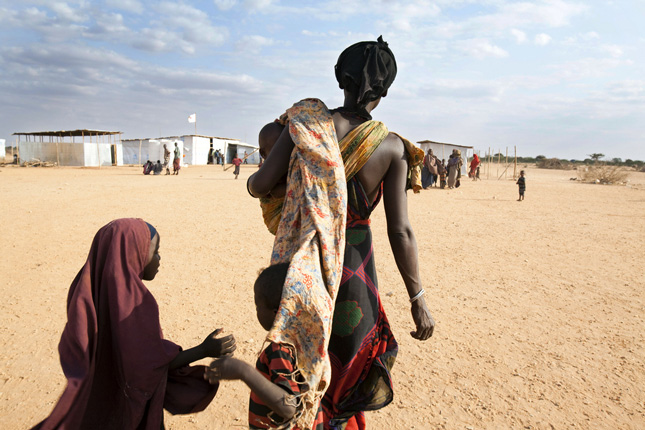
›Although separated by a thousand miles, the women of the Malaysian state of Sarawak and the Filipino island of Mindoro are united by a major struggle: climate change. As rainfall patterns grow increasingly unpredictable, natural disasters become more frequent, and drought ravages once-arable land, women are on the frontlines in both communities.
Showing posts from category livelihoods.