-
Putting a Price on Reproduction: The Global Surrogacy Market
›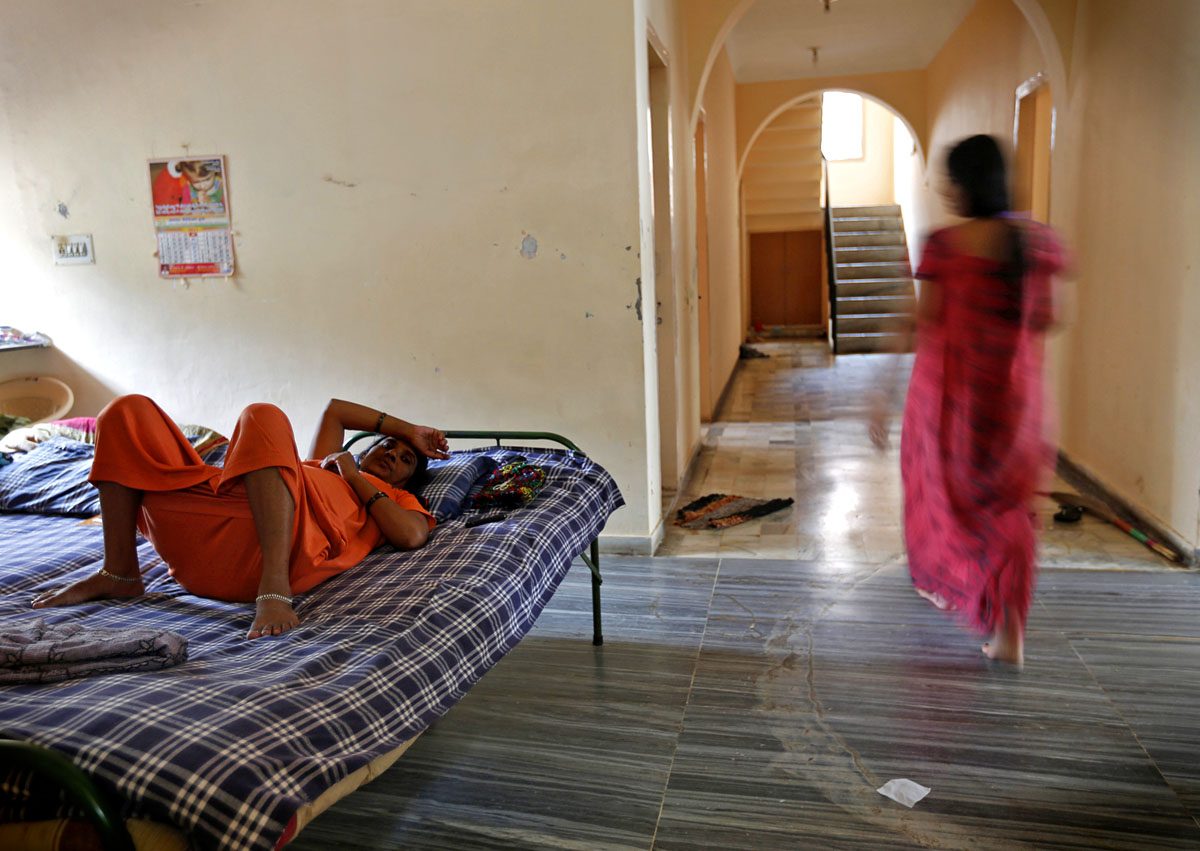
The first baby conceived through in vitro fertilization (IVF) was born in 1978 and revolutionized alternative family building strategies. As IVF has become more widely available in the years since, the focus of many families who cannot conceive or carry a baby to term – the Centers for Disease Control and Prevention estimates there are 6.7 million such women in the United States alone – has shifted from adoption to surrogacy. However, this endeavor remains very expensive; prohibitively so for many. Commercial surrogacy can cost up to $70,000 in the United States, except in the seven states where it is illegal. Yet if couples are willing to outsource to another country, surrogacy can cost much less.
-
Harnessing African Women’s Roles in Artisanal Mining to Build Peace
›Women make up between 40 to 50 percent of the artisanal mining workforce in Africa compared to a world average of 30 percent, says Southern Voices Network Scholar Maame Esi Eshun in an interview with Wilson Center NOW. But despite the number of women in the sector, they are often relegated to the periphery when it comes to decision-making and leadership, undermining peacebuilding efforts in these areas.
-
How Lapis Lazuli Turned One Afghan Mining District to the Taliban
›August 25, 2016 // By Adrienne Bober
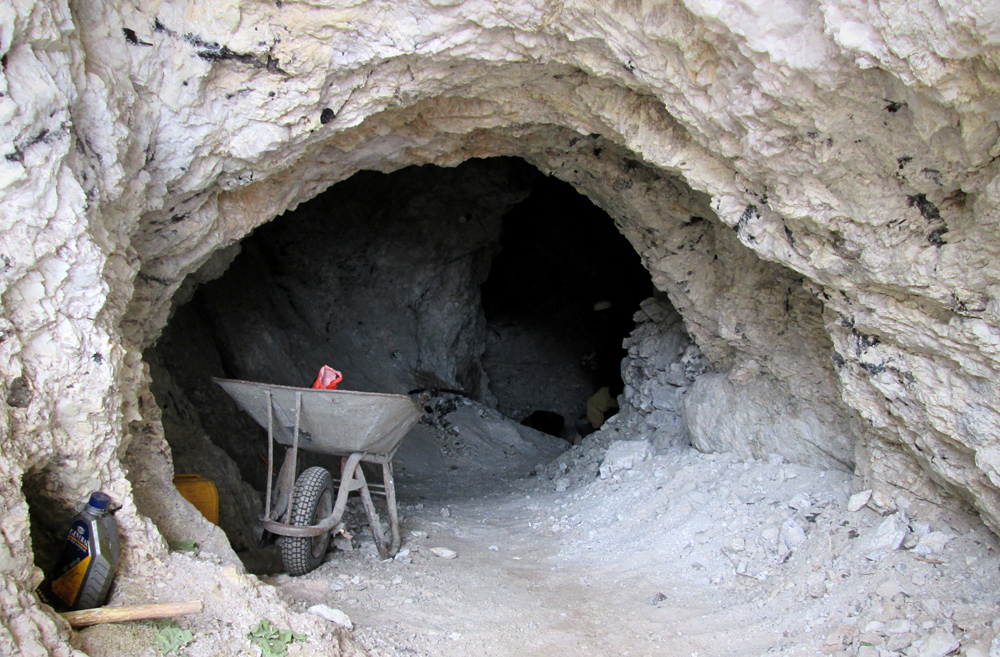
In the mountains of northern Afghanistan, between Pakistan and China, a region that has historically rejected the Taliban has become the group’s second-largest source of revenue. The twisting tale of Kuran wa Munjan reveals the challenges of extracting precious minerals in unstable and fragile states.
-
Is Shanghai’s Appetite for Sand Killing China’s Biggest Lake?
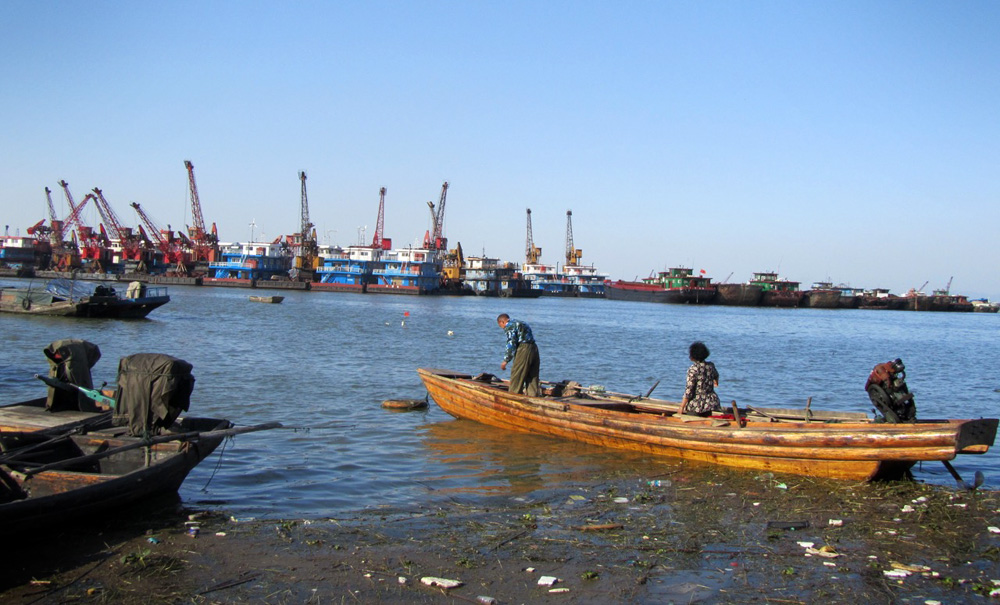
›Times are good for Fey Wei Dong. A genial, middle-aged businessman based in Hangzhou, Fey says he is raking in the equivalent of $225,000 a year from trading in the humblest of commodities: sand.
-
Tracking Illegal Fishing in West Africa, and Improving Soil Data to Better Model Climate Effects
›Overfishing by foreign fleets in West Africa is leading to devastating social and economic consequences. In a report from the Overseas Development Institute, an independent think tank based in London, researchers use satellite data to assess the scale of two kinds of illegal, unreported, and unregulated fishing: “reefers,” or large-scale commercial vessels receiving and freezing fish at sea and at port, and large refrigerated container ships that are registered in countries with less stringent enforcement regulations than that of the ship’s owners. -
After Women Deliver, What’s Next for Women and Girls?
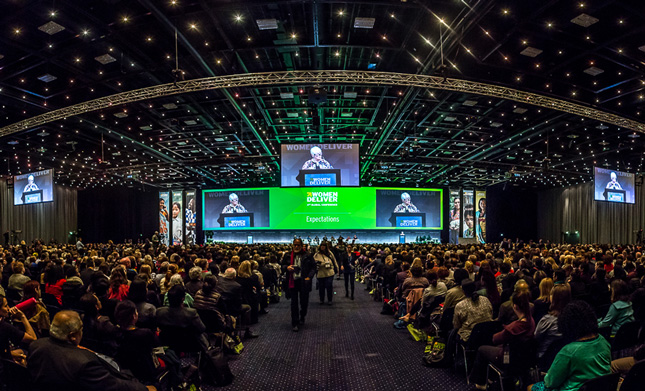
›The once-every-three-years Women Deliver conference has become a major coalescing force for various global health and development efforts aimed at women and girls. “We operate at a global level, influencing the agenda” by focusing on the “four Cs”: convening, communicating, capacity-building, and catalyzing, said Susan Papp, director of policy and advocacy for Women Deliver. [Video Below]
-
Ruth Greenspan Bell, The Daily Climate
Who Wins, Who Loses? Why We Need to Ask the Hard Questions on a Carbon Tax
›July 21, 2016 // By Wilson Center StaffAs bad news continues to roll in regarding the accelerating impacts of greenhouse gases accumulating in the atmosphere, there is increasing discussion about imposing a carbon tax. Economists across the political spectrum support it, from Irwin Seltzer’s camp that remains “uncertain as to whether there is a global warming phenomenon” to William Nordhaus, who unequivocally views climate change as a threat.
-
Human Rights and the Environment: How Do We Do Better?
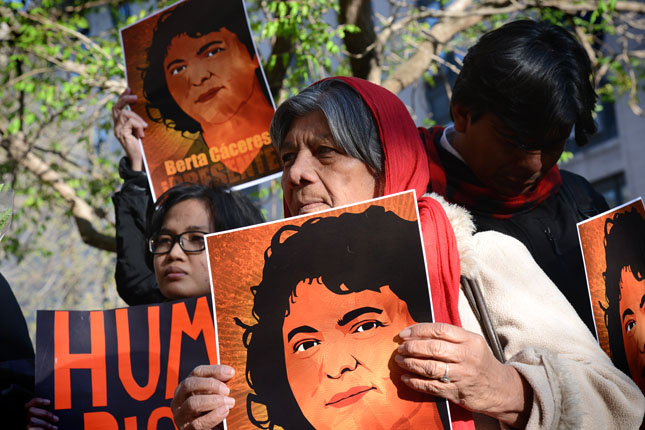
›2015 was a deadly year for environmental activism. According to Global Witness, 185 activists were killed, a 60 percent increase from 2014. Of the victims, 40 percent were indigenous people, like Berta Cáceres, who spoke at the Wilson Center last year and was shot and killed in her home in Honduras this March. [Video Below]
Showing posts from category livelihoods.