-
Africa’s Trifecta: Food Security, Resilience, and Demographics at the U.S.-Africa Leaders Summit
›August 5, 2014 // By Roger-Mark De Souza
“You can’t build a peaceful world on an empty stomach,” Secretary of State John Kerry said yesterday at a high-level working session on resilience and food security, quoting Norman Borlaug, the father of last century’s “Green Revolution.”
-
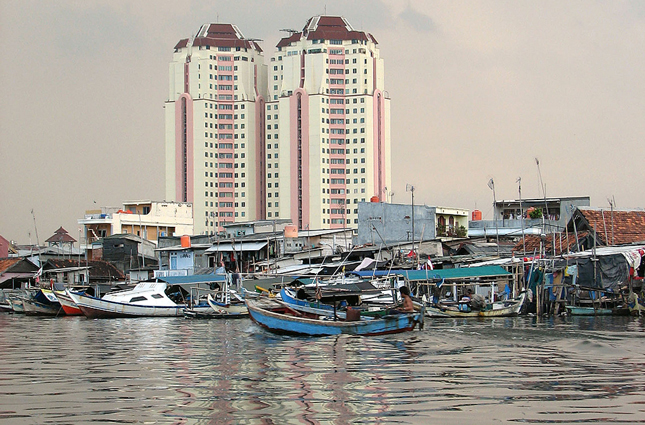
Don’t Forget About Governance: The Risk of Tunnel Vision in Chasing Resilience for Asia’s Cities
›
Asia is going through an unprecedented wave of urbanization. Secondary and tertiary cities are seeing the most rapid changes in land-use and ownership, social structures, and values as peri-urban and agricultural land become part of metropolitan cityscapes. All the while, climate change is making many of these fast-growing cities more vulnerable to disasters.
-
Lisa Palmer, Future Food 2050
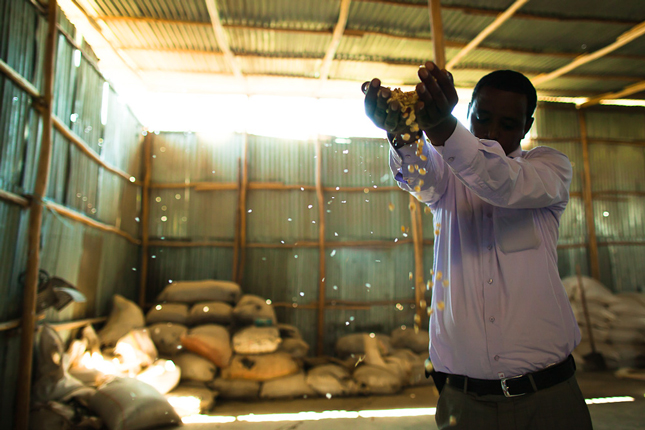
The Politics of Food Technology Innovation for Africa
›July 22, 2014 // By Wilson Center StaffAs a boy growing up on the shores of Lake Victoria in Kenya, Harvard international development professor Calestous Juma noticed a thing or two about innovations designed to bring more food into his community. He noticed, for instance, that the fishermen were always tinkering with new ways to trap fish while his father, a carpenter, would build the traps. He also noticed that his grandmother, a peanut grower, and other farmers who grew traditional crops such as sweet potatoes, struggled with ways to increase production beyond simply planting the best quality seeds and tubers.
-
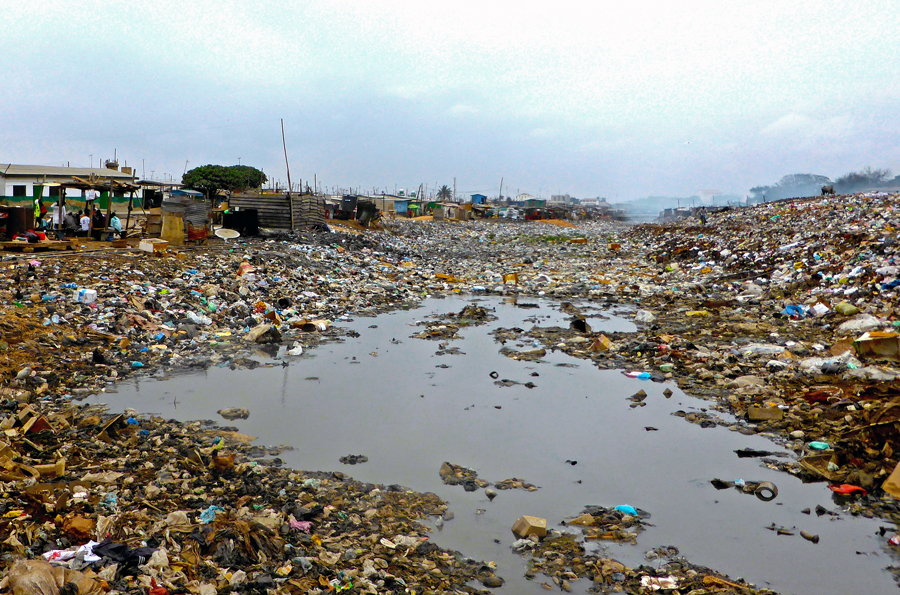
Climate Change and Conflict in West African Cities: Early Warning Signs in Lagos and Accra
›Despite the threat posed by flooding and sea-level rise, relatively little attention has been paid to the potential for environmentally induced instability in coastal West African cities. However, current trends, including rapid population growth, land use patterns, and increasing climate impacts, suggest the costs of inaction in these urban areas are rising.
-
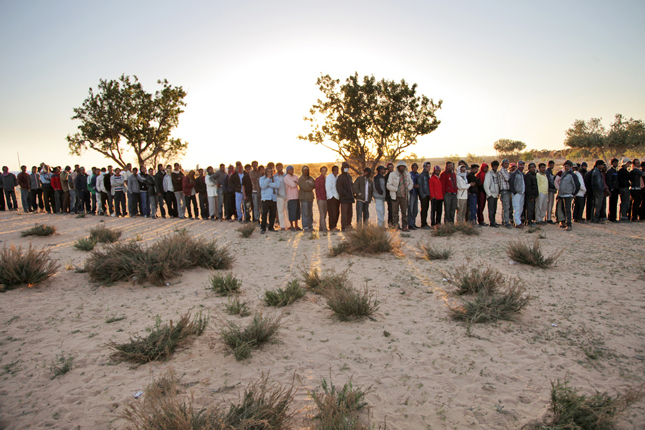
Why Do People Move? Research on Environmental Migration Coming of Age
›When she finished her dissertation on migration as a response to climate change in 2003, it was one of only a handful of scholarly papers published on the topic that year, said Susana Adamo, an associate research scientist at Columbia University’s Center for International Earth Science Information Network. But in the decade since, interest in climate migration has exploded – in 2012, more than 10 times as many papers were published. [Video Below]
-
Frank Carini, ecoRI News
7 Billion and Counting: Roger-Mark on Global Population Concerns at Future of Nature Forum
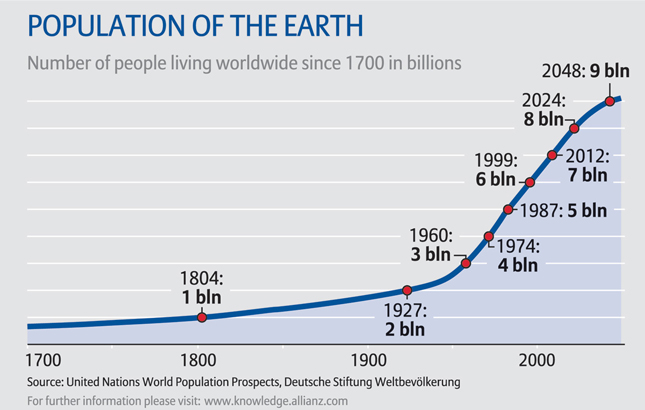
›June 10, 2014 // By Wilson Center StaffSince the start of the Industrial Revolution some 250 years ago, the widespread use of chemical fertilizers and pesticides that began about a century and a half later and the atomic half-life of the past seven decades, humans have developed and doused land and dammed and diverted water. These practices have left a wound that continues to fester as the human population swells.
-
Getting Specific About Climate Conflict: Case Studies Show Need for Participatory Approaches to Adaptation
›May 28, 2014 // By Moses JacksonWill climate change cause conflict? That question, which has sparked heated debates in academia and the media, resists simple answers. But is climate change already contributing to conflict in some places? If so, how exactly? And more importantly, what should be done about it? These questions were the focus of a 2013 preliminary report produced for USAID by international development firm Tetra Tech ARD, which examines the climate-conflict nexus in Uganda, Ethiopia, and Peru.
-
Surf and Turf: The Environmental Impacts of China’s Growing Appetite for Pork and Seafood
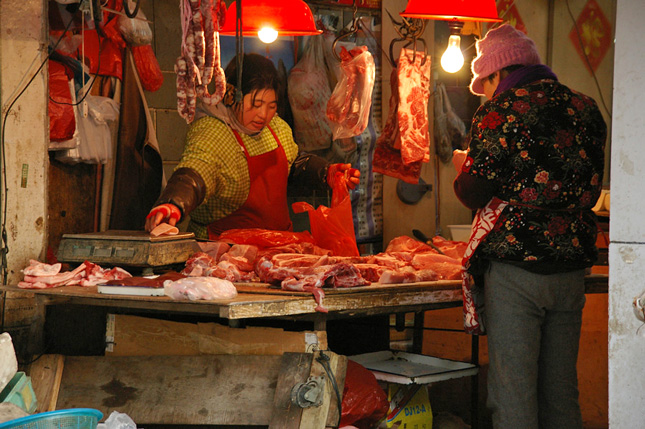
›Half the world’s pigs – 476 million – reside in China. Increasingly prosperous consumers are eating fewer grains and demanding a more protein-rich diet, ballooning the pork industry to 15 times its 1960s-era size. In the last 30 years, Chinese demand for meat has quadrupled and China is now the largest consumer of seafood in the world.
Showing posts from category land.