-
Kathleen Mogelgaard, Aspen Institute
Hungry, Hot, and Crowded: The Importance of Multi-Dimensional Strategies for Resilience
›May 6, 2014 // By Wilson Center StaffIn a world faced with rising temperatures, increasingly severe droughts and floods, and a rapidly growing population, how can people adapt to this new way of life – and even thrive? Leading experts discussed this question in-depth during an Aspen Institute Global Health and Development Program event titled, “Building Resiliency: The Importance of Food Security and Population.” The panel took place as part of the Civil Society Policy Forum at the 2014 IMF/World Bank Spring Meetings in Washington, DC.
-
State of Population-Climate Change Research
› What is the future of population and climate change research, and how can this research impact international policy? In a special issue of Population and Environment, environmental and social scientists look at these questions. “One of the most exciting developments in the climate change research community at present is the development of a new generation of climate scenarios,” write Adrian C. Hayes and Susana B. Adamo in the introduction. These can help facilitate more interdisciplinary research.
 -
Not There Yet: Burma’s Fragile Ecosystems Show Challenges for Continued Progress
›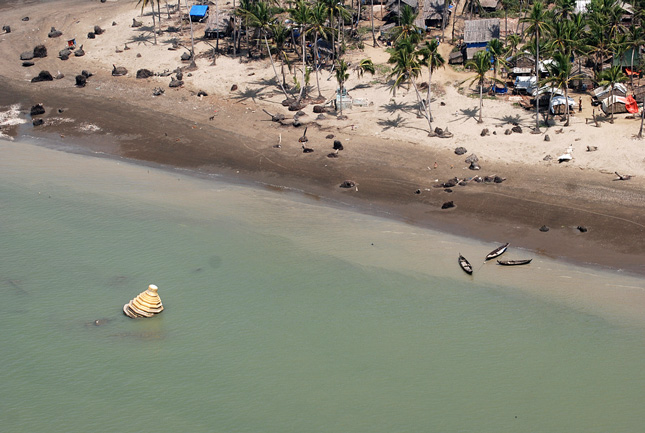
Political and economic changes in Burma have been as rapid as they are surprising. In just three years, the country has gone from an isolated military dictatorship to a largely open country that is at least semi-democratic and has formally adopted a market economy. Both the European Union and the United States have eased economic sanctions, and dozens of foreign firms have moved in. Foreign direct investment increased by 160 percent in 2013 alone.
-
Lisa Palmer, Slate
Famine Is a Feminist Issue
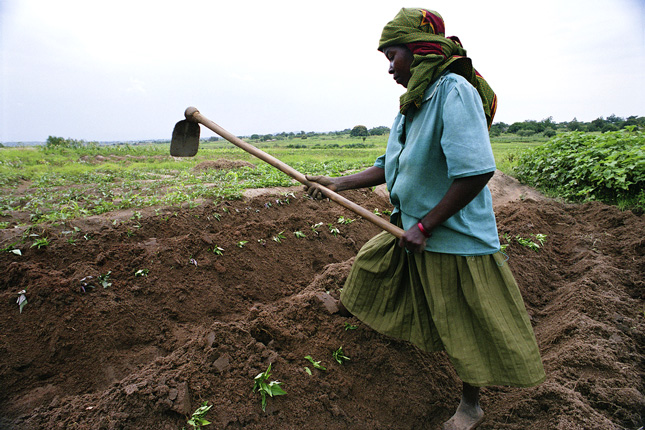
›April 17, 2014 // By Wilson Center StaffIn 2013 the United Nations Population Division revised its population projections to show that population could grow even faster than previously anticipated, especially in Africa. Planning ahead for feeding a hot, hungry, teeming planet is both a numbers game and social venture. Calories, climate change, and acres of land are some of the factors on one side of the equation. The 7 billion people in the world, projected to grow to 9.6 billion by 2050, are on the other.
-
Forests on Film: New Stories From Nepal and the Congo Basin
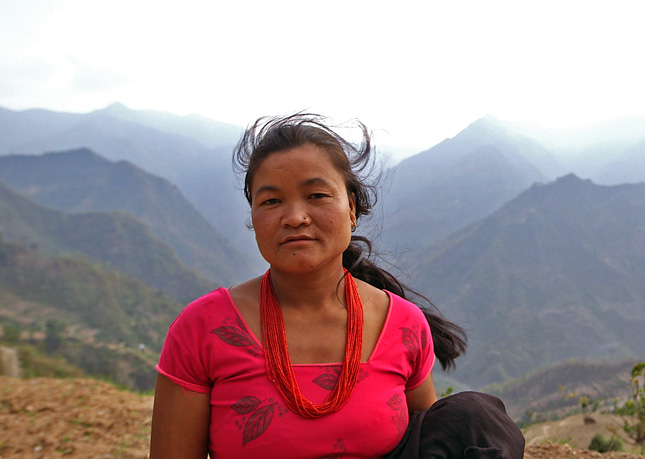
›Given growing awareness about environmental change and how it affects human life, it is perhaps not surprising there is also a growing audience for environmental filmmaking. At the 2014 Environmental Film Festival in the Nation’s Capital on March 25, the Wilson Center premiered ECSP’s latest documentary, Scaling the Mountain: Protecting Forests for Families in Nepal. Together with Heart of Iron, a recent film on mining in the Congo Basin, the event took viewers into some of the world’s most remote forests to see how their inhabitants are adapting to rapid changes in the natural resources on which they depend.
-
In Nepal, Integrating Forest and Family Health Is Improving Lives
›March 24, 2014 // By Sean PeoplesFor years, the Chepang people have lived off the land in Nepal’s forested central foothills. Communities cleared trees to start small subsistence farms, harvested the surrounding area for firewood, and eventually moved on after the wood, soil, and water were depleted.
-
20 Years After Doomsday Predictions, China Is Feeding Itself, But Global Impacts Remain Unclear
›How has China managed to feed nearly one-quarter of the world’s population with only seven percent of the world’s arable land?
In 1995, Lester Brown forecasted doom and gloom for China’s ability to produce enough grain for its people, in his popular book, Who Will Feed China? He hypothesized that China would be forced to buy grain from abroad, thereby seriously disrupting world food markets.
-
Better Mapping for Better Journalism: InfoAmazonia and the Growth of GeoJournalism
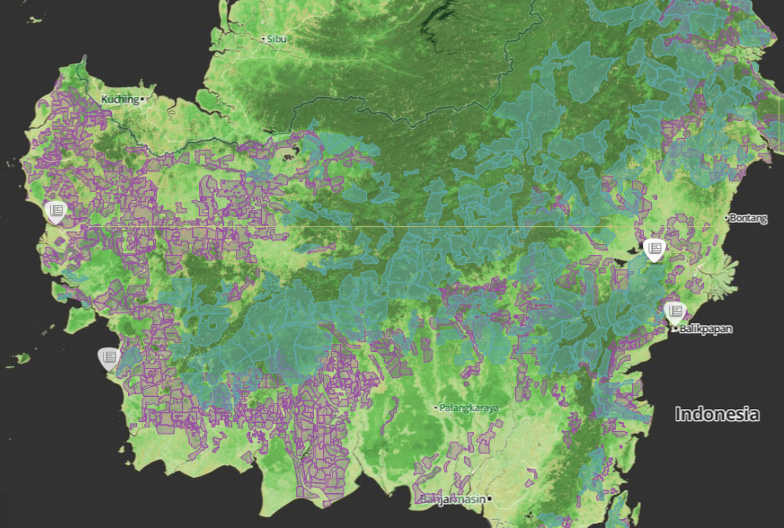
›Nearly every local story has a global context. This is especially true when it comes to the environment, and there may be no better way to show that context than through visualization. But in developing countries, where so many important changes are happening, journalists often lack the resources or skills to make data visualization a part of their repertoire.
Showing posts from category land.