-
A New Oil Crisis Stress-Tests the Global Energy Transition
›
The US–Israeli war launched against Iran in 2026 may be remembered as the moment fossil-fuel dependence became more than a mere abstraction for the Global South. Brent crude quickly surged past $100 a barrel. Iran militarized the Strait of Hormuz (through which 20 million barrels a day, or a fifth of global oil consumption, normally flow) and retaliated against regional energy infrastructure. Qatar declared force majeure on its liquefied natural gas exports after Iranian drone attacks. Saudi Aramco’s Ras Tanura refinery shut down.
-
Environmental Security Weekly Watch: March 16-20, 2026
›
A window into what we’re reading at the Stimson Center’s Environmental Security Program
Pakistan’s Grassroots Solar Mitigates Middle East Energy Crisis Impact (The Guardian)
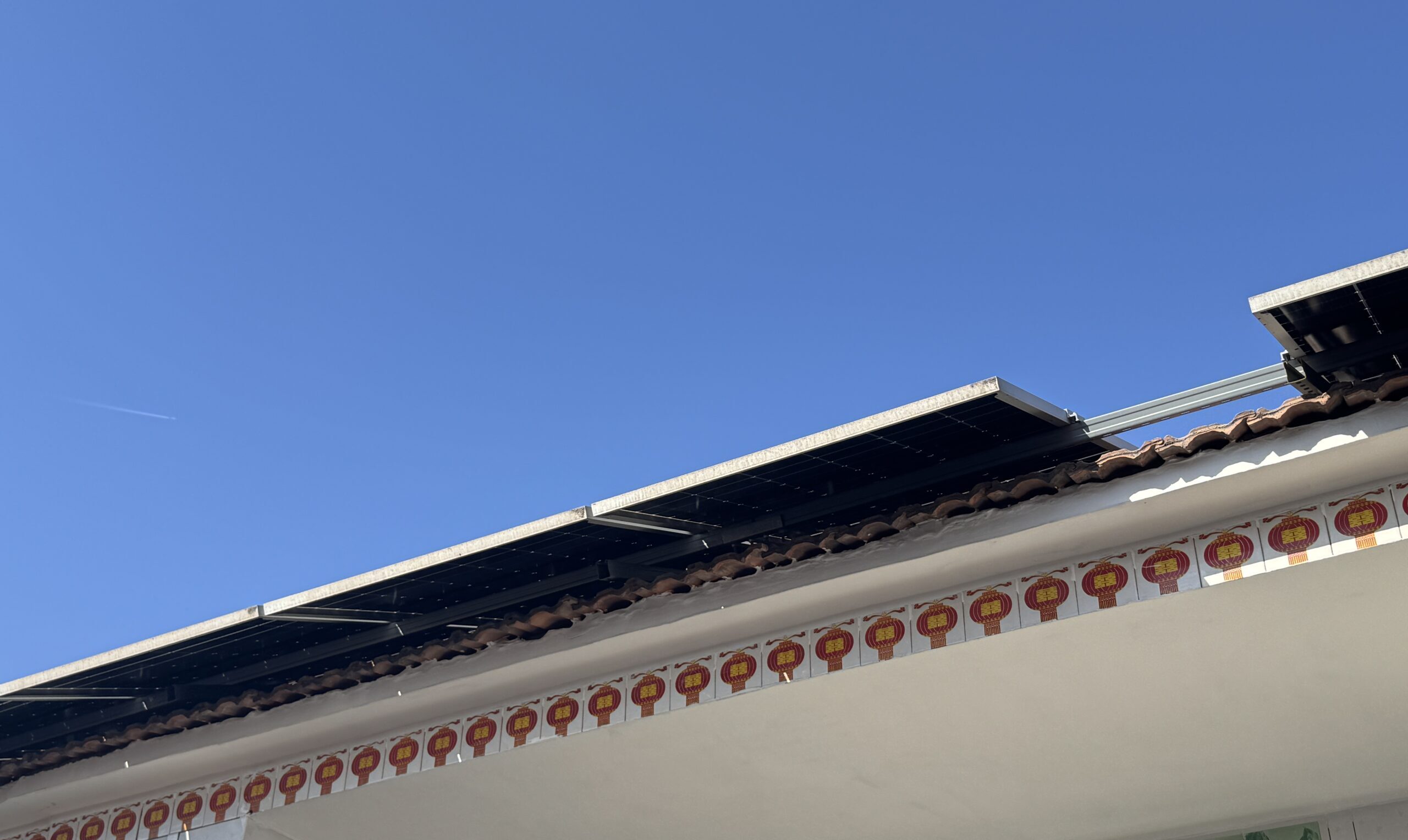
Russia’s invasion of Ukraine in 2022 also sparked a grassroots solar boom in Pakistan. Surging LNG prices and unreliable grid electricity resulting from the war’s broader effects pushed citizens to invest in rooftop solar as a one-time cost alternative to perpetually high electricity bills. Between December 2021 and December 2025, solar energy’s share of grid-supplied electricity in Pakistan jumped fivefold. Today, solar provides one-fifth of the country’s electricity.
-
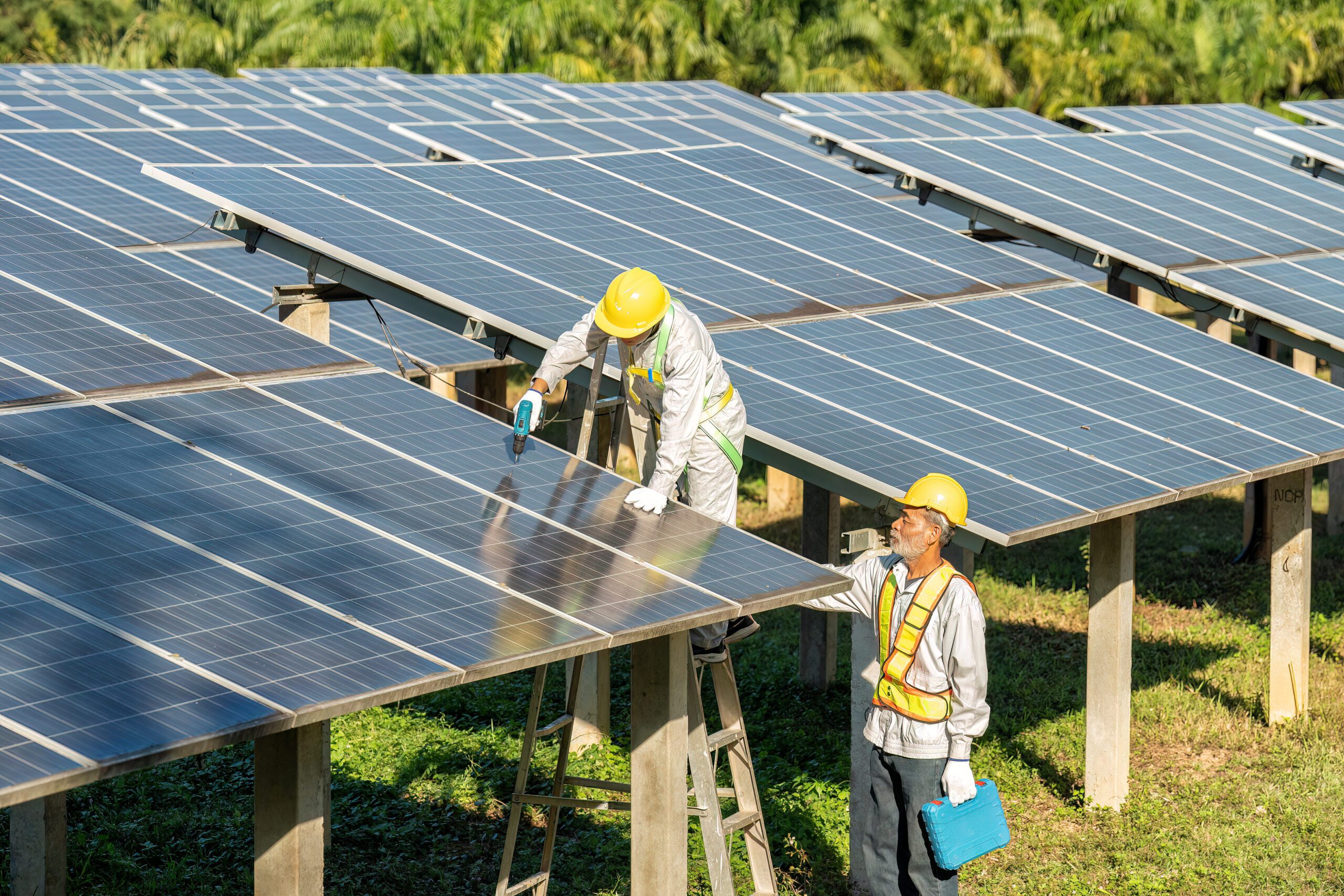
No Home in the Dark: Creating an All-Inclusive Rooftop Solar Ecosystem in China
›Last fall, I travelled back to my hometown in rural Wen’an County, Hebei Province, and was surprised to find my aunt Lu had installed 12 solar panels on the roof of her house. Because I am a low-carbon policy wonk at a Beijing consultancy, I peppered her with energy questions as we admired the rooftop panels. “So, where does the electricity go? To your own appliances, an aggregator, or the grid company? Are you paid for renting out the roof or for selling the electricity?”
-
Environmental Security Weekly Watch: February 9-13, 2026
›A window into what we’re reading at the Stimson Center’s Environmental Security Program
Reconciling Mineral Demand in Greenland with Arctic Realities (Yale e360)
President Donals Trump’s recent push to access Greenland’s critical minerals faces severe logistical and environmental challenges. While the island possesses 25 of the 60 minerals in high demand in Washington, Greenland has fewer than 100 miles of roads, a tiny labor force, 16 small ports, and inconsistent electricity. Its unique geography and harsh conditions—including minus 40°F temperatures, high winds that ground helicopters, and pack ice which hinders ships—will require potentially costly new extraction technologies. (Indeed, present conditions already make extraction five to ten times more expensive than in temperate regions.
-
Can China Help Indonesia Shift Gears on Electric Two-wheelers?
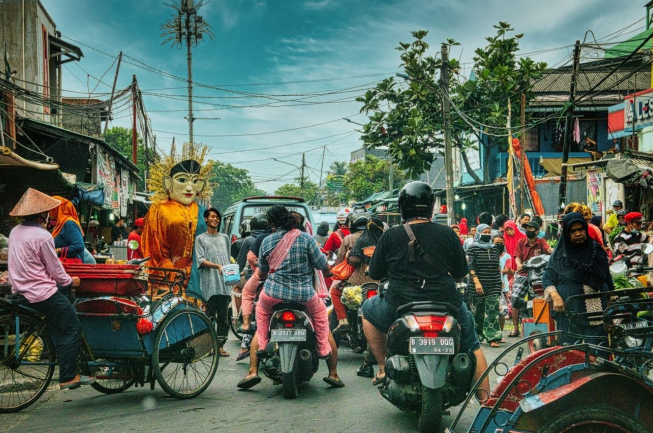
›Indonesia produces more than half of the world’s nickel output – a critical component in batteries for four- and two-wheel electric vehicles (EVs). Mostly Chinese-owned smelters work around the clock in Sulawesi to process the nickel ore and ship it across the globe. Indonesia’s resource nationalism – the government policy banning ore exports and forcing domestic processing appears to have worked well – but only in the upstream segment of the supply chains.
-
China Taps Indonesia’s Solar Potential
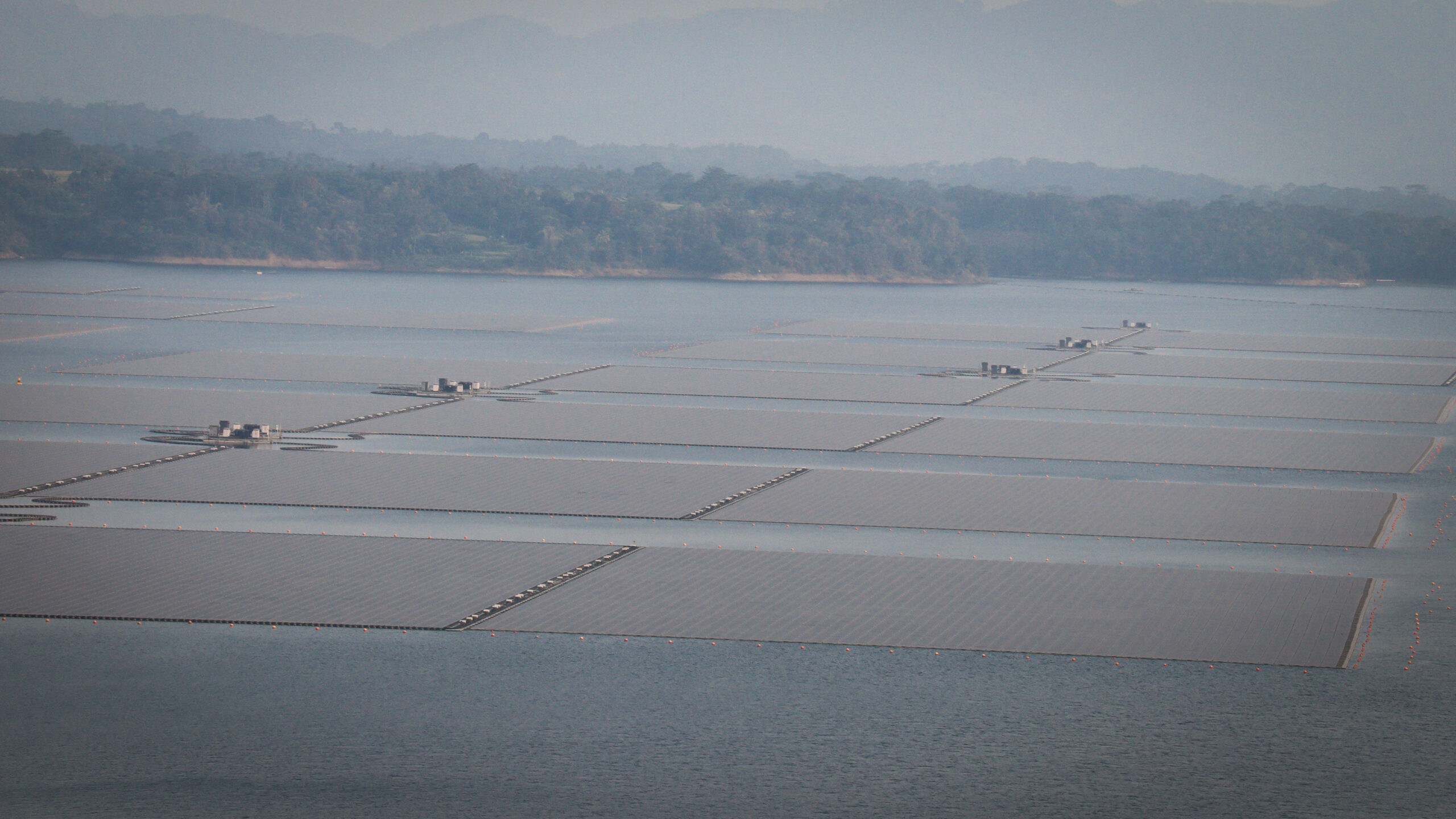
›China and the Global Energy Transition // China Environment Forum // Guest Contributor // December 3, 2025 // By Karen TeoIn late 2023, Indonesia’s then President Joko Widodo presided over the launch of the country’s first floating solar power plant on the Cirata reservoir in West Java. Widodo touted how at 192MW it was “the largest floating solar plant in Southeast Asia.” He added the solar plant could eventually reach 500MW, generating enough electricity to power over 100,000 households in Indonesia. This floating powerhouse, made up of 300,000+ Chinese-built PV panels stretching 250 hectares on the water, has become the poster child for Indonesia’s commitment to going solar.
-
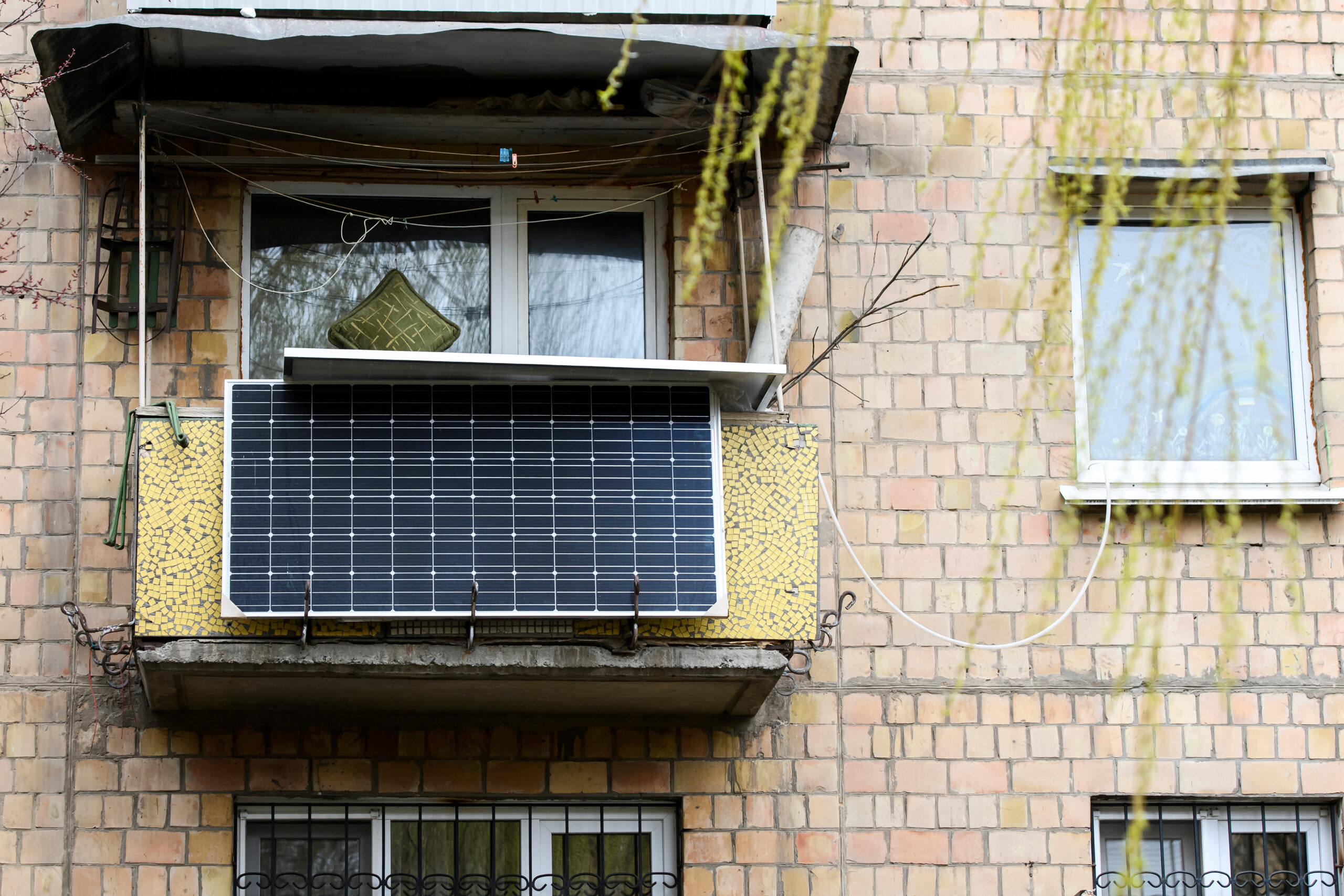
What Asia Can Learn from Ukraine’s Quest for Energy Security
›Within a month of escalated Russian airstrikes on its energy systems in October, Ukraine secured U.S. liquified natural gas (LNG) imports via Greece for the coming winter. While this deal demonstrated both the nation’s rapid wartime agility and capacity for energy diversification, it is only one part of a broader transformation of Ukraine’s energy future.
-
Energy Security and Global Climate: How India Navigates Middle East Volatility
›The recent conflict between Iran and Israel, as well as Iran’s threat to close the Strait of Hormuz, have done more than starkly expose the risks of geopolitical instability in the Gulf. It has also underscored the vulnerability of India’s energy security due to its heavy reliance on fossil fuel imports, and particularly crude oil transiting through the Strait of Hormuz.
Showing posts from category just energy transition.