-
Granting Rivers Legal Rights: Is International Law Ready for Rights-Centered Environmental Protection?
›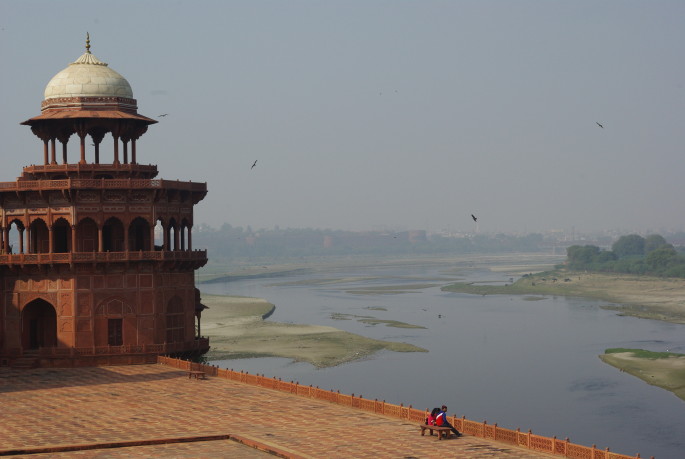
Last year, four rivers were granted legal rights: the Whanganui in New Zealand, Rio Atrato in Colombia, and the Ganga and Yamuna rivers in India. These four cases present powerful examples of the increasing relevance of rights-centered environmental protection. Like corporations, which have legal rights in many jurisdictions, these rivers are rights-bearing entities whose rights can be enforced by local communities and individuals in court. But unlike corporations, these rights are not yet recognized in international treaties. Which raises the question: what are the implications of rights for nature for international environmental law?
-
The Water Wars Within: Preventing Subnational Water Conflicts
›
In 1995, World Bank official Ismail Serageldin warned that “the wars of the next century will be fought over water—unless we change our approach to managing this precious and vital resource.” Since then, the world’s water resources have come under ever-greater strain. At the same time, institutional frameworks for managing water resources remain weak throughout most of the globe. Only about a quarter of the world’s international river basins have adequate governance arrangements to prevent and resolve conflicts. Does this mean that we can expect the 21st century to be wracked by water wars?
-
China’s Ready to Cash In on a Melting Arctic
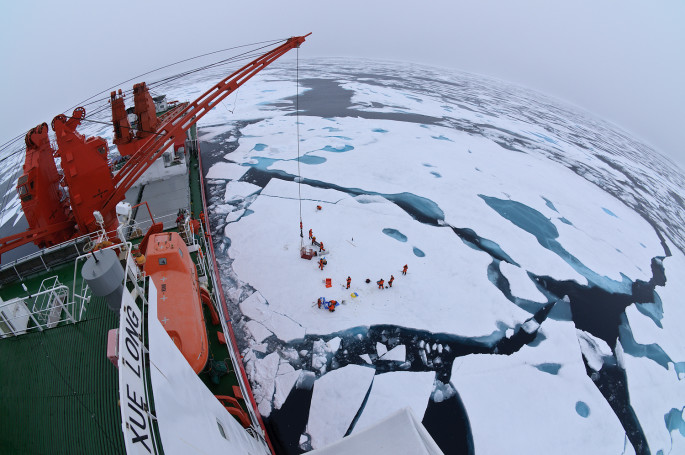
›Put simply, “the damn thing melted,” Navy Secretary Richard Spencer explained in recent testimony, referring to Arctic ice melt as the trigger for the new U.S. Navy Arctic Strategy that is to be released this summer. What the Navy planned as a 16-year road map is in need of updates after only four years, in part due to receding polar ice caps, which are “opening new trade routes, exposing new resources, and redrawing continental maps,” but also in part due to the rise of China as an “Arctic stakeholder” and increasing important player in the region.
-
The Blockchain Revolution: Q&A with Kaikai Yang
›Blockchain, the newest technology poised to revolutionize numerous industries, could help decentralize electricity systems across Asia, Europe, Australia and the United States. In Brooklyn, peer-to-peer microgrids allow prosumers—energy consumers who generate small amounts of electricity from renewable sources—to trade energy with other users. Blockchain technology provides distributed ledgers that validate, record, and share each transaction, using smart contracts that automatically execute energy trades when the price and volume of the electricity transaction meet the contracted requirements.
-
China’s Green Bonds Finance Climate Resilience
›In 2014, we met with some of the technical leads of a major Chinese river basin authority in Beijing and asked them whether they were more worried about pollution or climate change impacts. Both, the engineers replied. Pollution affects us every day, they said, but changes in the climate erode our ability to supply drinking and irrigation water, manage floods, and generate electricity.
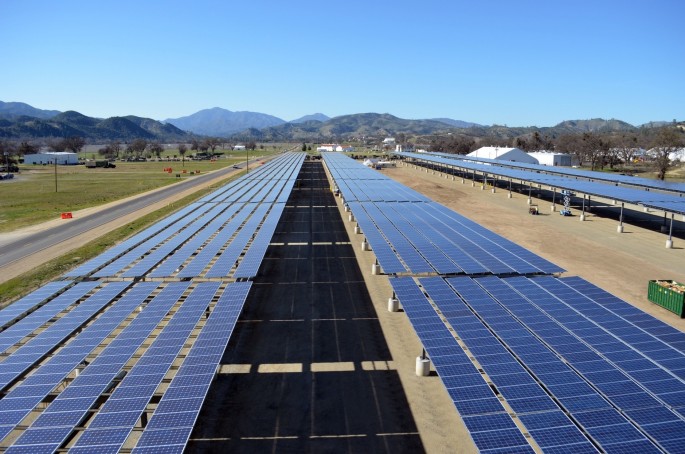
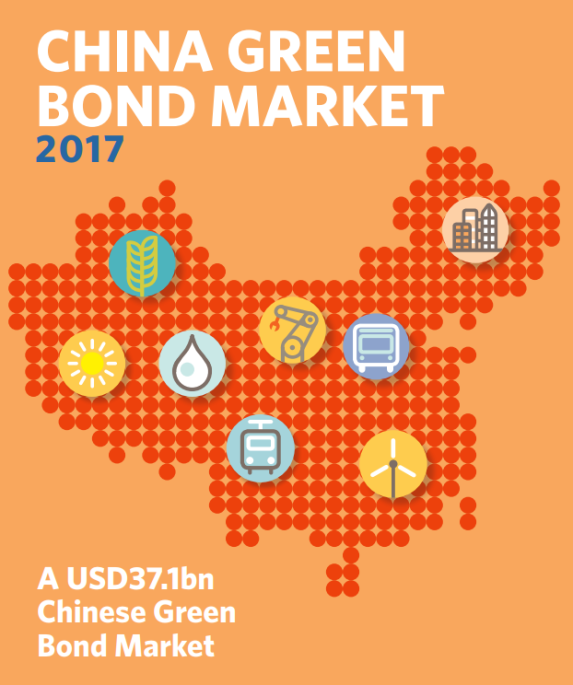
China must address its environmental and climate change challenges, such as reducing water pollution and building resilience to droughts, floods, and long-term climate shifts. But existing sources of finance have not met the growing demand for environmental projects.
-
Another Deadly Year for Environmental Defenders, But Momentum Increases for Protecting Environmental Human Rights
›In 2017, four environmental activists were murdered every week on average—most of them in Latin America, and most of them targeted for protesting industries like logging or mining. These shocking numbers may finally start to taper off, if three new initiatives launched just this month are successful at protecting people’s right to a clean environment—and its defenders.
-
China Has Arrived in the Arctic: Q&A With Sherri Goodman
›To further its goals to strengthen the global economy, China has already invested $300 billion of its pledged $1 trillion towards its Belt and Road Initiative—a massive infrastructure investment plan that spans 60 countries across Southeast Asia, Central Asia, Africa, South Asia, the Middle East, and Eastern Europe. China’s initiative will shift the world’s political, environmental, and economic landscape.
-
Safe Passage: China Takes Steps to Protect Shorebirds Migrating From Australia to the Arctic
›Every year, millions of shorebirds migrate to the Arctic to breed—some coming from as far away as Australia and New Zealand—and then head back again. Nearly all of the birds making this journey spend time in the food-rich intertidal mudflats of the Yellow Sea ecoregion, on the east coast of China and the west coasts of the Korean peninsula. But as China’s economy has grown, around 70 percent of the intertidal mudflats in the Yellow Sea area have disappeared—the land drained and “reclaimed” for development. All of the more than 30 species of shorebirds that rely on the mudflats are declining, and those that stop there twice a year are declining at a faster rate than those that stop only once. If the current trajectory continues, the Yellow Sea—once known as the cradle of China—will become the epicenter of extinction.
Showing posts from category international environmental governance.