-
The People vs. Pollution: Empowering NGOs to Combat Pollution with Environmental Law
›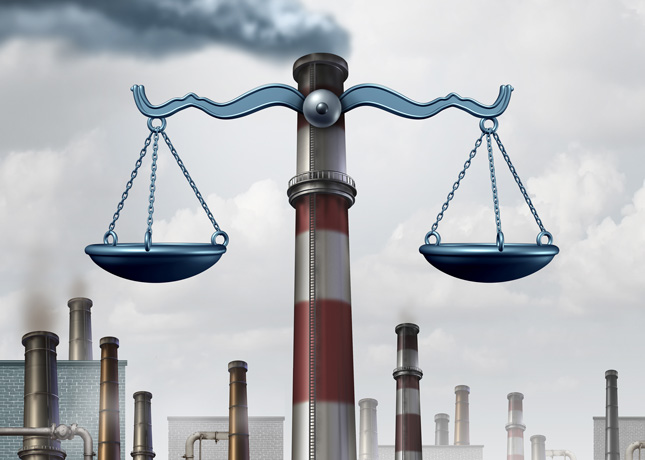
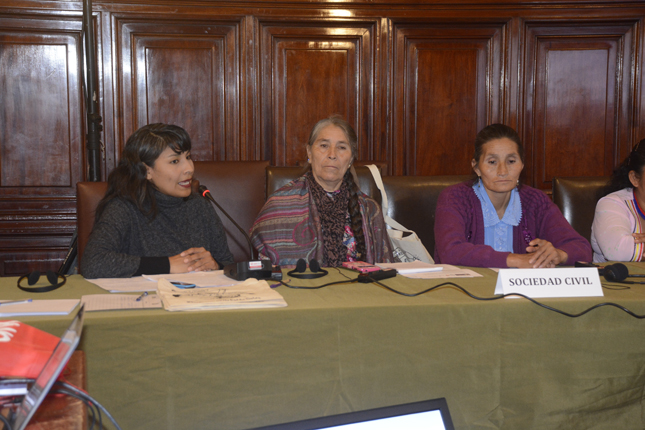
China is four years into its war on pollution, and while the skies over many of its cities are bluer and thousands of polluting industries have been closed, many challenges remain. According to China’s Ministry of Ecology and Environment, 16 percent of China’s soil is polluted, 239 of China’s 338 biggest cities failed to meet air quality standards in 2017, and 32 percent of China’s surface water is not clean enough to swim in. To confront these challenges, Chinese citizens and nongovernmental organizations (NGOs) are taking legal action to halt polluters, push local government to be more accountable, and strengthen enforcement of pollution laws—but most lack the legal experience and expertise needed to be successful. A series of workshops held by the Environmental Law Institute earlier this year sought to close this gap by training NGOs and legal professionals in China on best practices for environmental public interest litigation.
-
Driven to Care: Improving Transportation to Reach Maternal Health Care in Conflict Zones
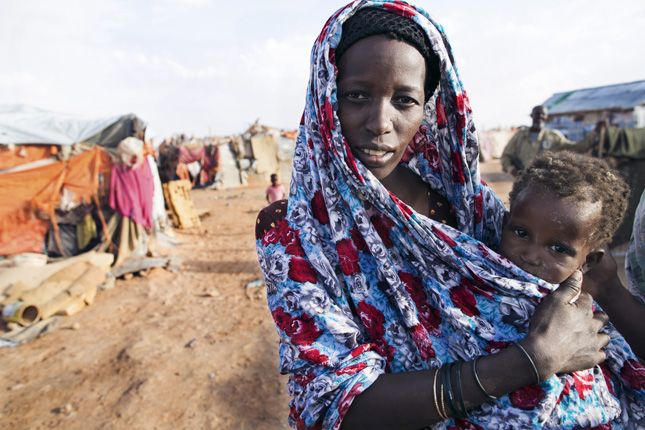
› How much time passes between a laboring woman’s decision to seek care and her arrival at a health facility? Transportation for emergency obstetric care should be swift and timely, but for many refugees in the world’s conflict zones, it is not.
An analysis of refugee maternal mortality in 10 countries found that transportation problems contributed to more maternal deaths outside of refugee camps, which tend to have better access to emergency transportation services.
-
A More Just Migration: Empowering Women on the Front Lines of Climate Displacement
›“It is often expected that women care more, and therefore women are going to volunteer, and be the saviors” in times of crisis, said Eleanor Blomstrom, the Program Director and Head of Office for the Women’s Environment & Development Organization (WEDO), at a Wilson Center event on climate displacement and the changing role of women. A panel of experts discussed the impacts of climate change that not only force women to move, but also put them disproportionately at risk. By integrating gender dimensions of climate-related displacement into research, policy, and programs, we can gain a better understanding of the challenges that women face and support women’s efforts to be changemakers for their communities as they adapt to climate threats. “All issues are women’s issues,” said Blomstrom.
-
Another Deadly Year for Environmental Defenders, But Momentum Increases for Protecting Environmental Human Rights
›In 2017, four environmental activists were murdered every week on average—most of them in Latin America, and most of them targeted for protesting industries like logging or mining. These shocking numbers may finally start to taper off, if three new initiatives launched just this month are successful at protecting people’s right to a clean environment—and its defenders.
-
Women on the Front Lines of Change: Empowerment in the Face of Climate and Displacement
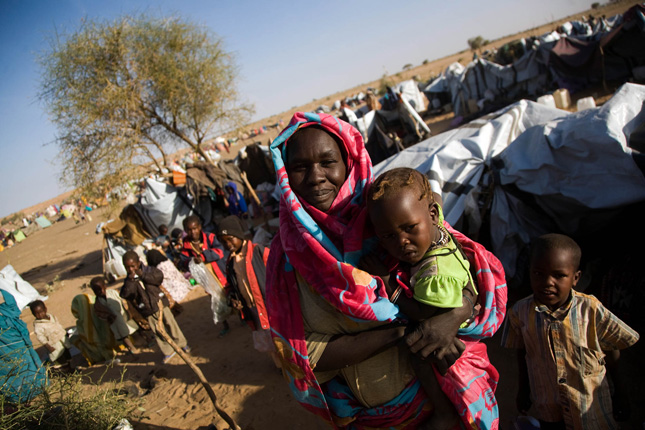
›With a swiftly changing climate comes rapidly rising sea levels, more frequent storms, and rising inequality. Slow yet consistent events like sea-level rise, as well as extreme events like hurricanes and other climate disasters, can force women and families from their homes. As the climate continues to change, adaptation will become more difficult, spurring some to leave home in search of safer ground. In the face of climate-induced instability, women are not just on the frontline of impacts, but also at the forefront of solutions.
-
A Little Respect: Improving Maternity Care
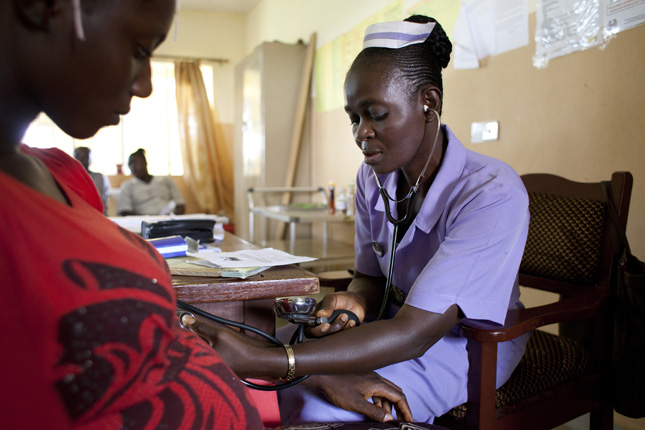
›“Disrespect and abuse during facility-based childbirth is a very widespread phenomena with different manifestations,” said Rima Jolivet from the Maternal Health Task Force (MHTF) during a recent webinar hosted by MHTF and Ariadne Labs on the need for respectful maternity care (RMC). Jolivet was joined by Katherine Semrau from Ariadne Labs, Rose Molina from Beth Israel Deaconess Medical Center and Ariadne Labs, Saraswathi Vedam from Birth Place Lab, and David Sando from the Harvard T.H. Chan School of Public Health.
-
Top 5 Posts for May 2017
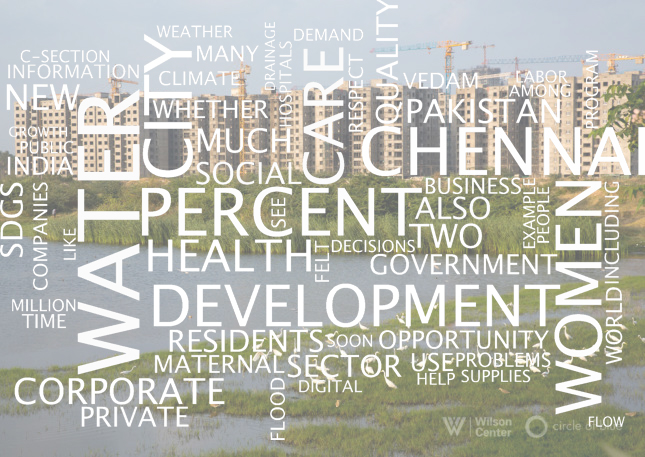
›Our nine-part “Choke Point: Tamil Nadu” series with Circle of Blue has been a must-read on the conflicting demands for water, food, and energy in the South Indian state. In May’s most popular post, S. Gopikrishna Warrier introduces us to Chennai’s tech-savvy social entrepreneurs, who are providing the city’s residents with real-time information on the risk of flooding. (The ninth and final post in the series was published yesterday; catch up on all of them at “Choke Point: Tamil Nadu”).
-
Dr. Babatunde Osotimehin, An Inspirational and Aspirational Leader for Today’s Youth, Has Passed
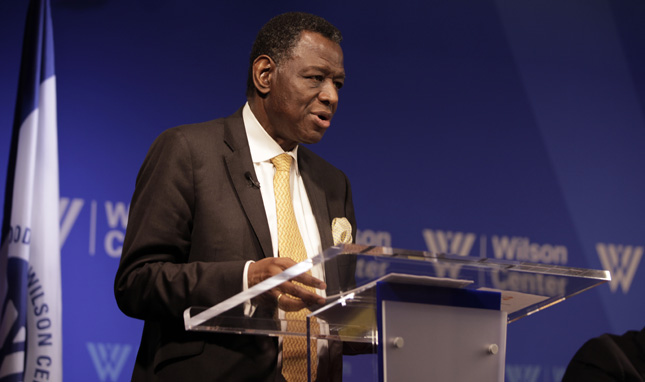
›June 6, 2017 // By Wilson Center StaffDr. Babatunde Osotimehin, the executive director of UNFPA and an inspiring leader in the global health community, passed at his home on June 4 at the age of 68.
Showing posts from category human rights.
 How much time passes between a laboring woman’s decision to seek care and her arrival at a health facility? Transportation for emergency obstetric care should be swift and timely, but for many refugees in the world’s conflict zones, it is not.