-
Most LGBTQ+ Individuals Remain in the “Global Closet”–At Great Cost to Global Health
›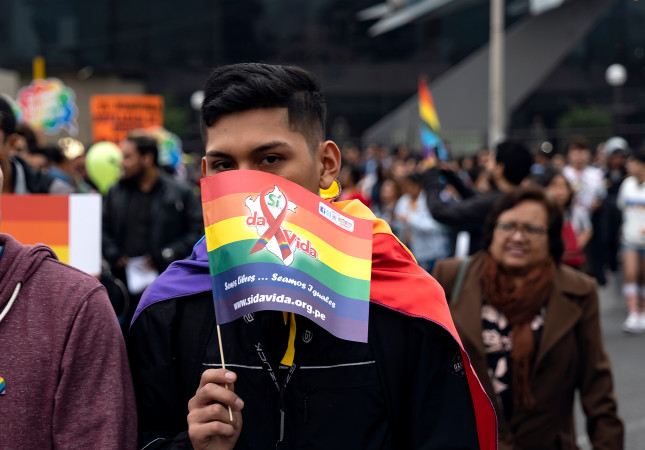
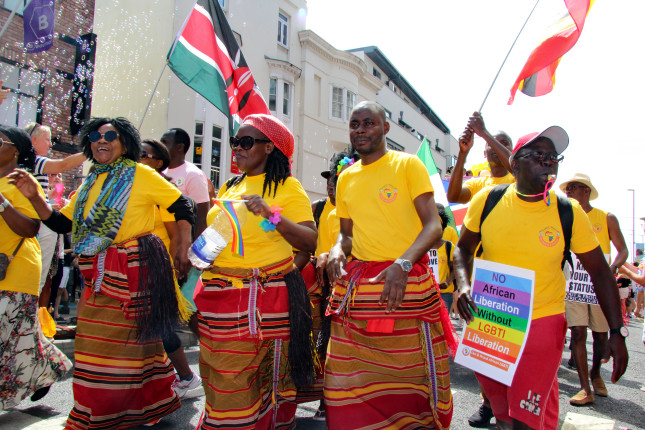
Pride month 2021 is underway, with parades, celebrations, and advocacy movements all over the world. Given the month’s celebratory nature—along with the increasing acceptance of and recent victories for LGBTQ+ * (lesbian, gay, bisexual, transgender, queer or questioning, and others) communities in some countries—it might be easy to assume that most lesbian, gay, and bisexual individuals are “out.” However, according to a study by the Yale School of Public Health, this is far from the case. The vast majority of lesbian, gay, and bisexual individuals remain in the closet, concealing their sexual orientation from “all or most” people in their lives.
-
Heteronormativity in the International Development Sector and Why We Need to Get Over It
›
After enduring sexual violence in the DRC conflict, Steven Kighoma fled to Uganda where he became an activist with the NGO, Men of Hope Refugee Association, supporting male victims of conflict-related sexual violence. The experiences of male victims include rape, being forced to watch family members being raped, being beaten on the genitals, and enduring other kinds of abuse. Compounding their trauma, men who have suffered sexual violence in the region are often seen as not properly masculine and face homophobic violence and criminalization, regardless of their sexual orientation. In addition, they face exclusion from survivor support services which assume that only women face sexual violence.
The biggest challenge is “the ignorance of the government, the medical institutions, the community, not knowing a male victim of sexual violence exists,” says Kighoma. “There is a confusion when you talk about male victims of sexual violence. People confuse it with homosexuality.”
-
A Conversation with Dr. Nahid Toubia: Bodily Autonomy and the 2021 State of World Population Report
›Africa in Transition // Dot-Mom // Friday Podcasts // May 28, 2021 // By Hannah Chosid & Deekshita RamanarayananBodily autonomy is something almost innate in us, and yet also a Eureka moment for many people, says Dr. Nahid Toubia, Director for the Institute of Reproductive Health and Rights in Sudan on this week’s episode of Friday Podcasts. “Every human being really has the right to own their body, to own their decisions, to own their choices regarding their life, their futures, how they want to live, who they want to partner, whether they want to have children or not, what kind of families they want to have,” she says. “So, all of these choices are all wrapped up in this concept of body autonomy.” -
My Body, My Voice, My Choice: Launching UNFPA’s 2021 State of World Population Report
›“As we’re talking, the bodily autonomy of millions of women and girls around the world is still denied,” said Klaus Simoni Pedersen, Acting Director of the Division of Communications and Strategic Partnerships for the United Nations Population Fund (UNFPA) at the recent U.S. launch event of the 2021 UNFPA State of the World Population report, hosted by the Wilson Center and UNFPA. The report, My Body is My Own: Claiming the Right to Autonomy and Self-Determination, examines the global status of women and girls as reflected in their agency and decision-making power.
-
Overlapping Crises: Gender-Based Violence, Maternal Mental Health, and COVID-19
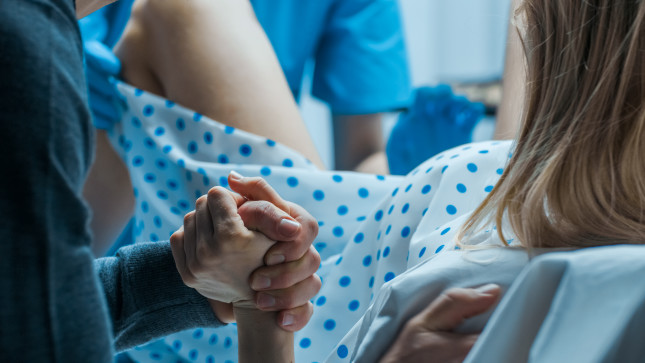
›According to the World Health Organization, 1 in 3 women in the world will experience physical or sexual violence during their lifetime. Intimate partner violence is the most common form of violence, impacting an estimated 641 million women worldwide. Lockdowns and disruptions in access to support services due to the COVID-19 pandemic have exacerbated the prevalence of gender-based violence (GBV).
-
Turning Applause into Action: Investing in Women Leaders in Nursing and Midwifery
›“Midwives and nurses contribute to the health of women, families, communities, and society at large, but the impact of their care goes much further… Their care is transformational,” said Diene Keita, Deputy Executive Director for Programmes at UNFPA. She spoke at a recent event hosted by Women in Global Health, which virtually convened nurses and midwives from around the world to celebrate 100 outstanding women nurse and midwife leaders from over 50 countries. The event occurred in honor of the Year of the Nurse and the Midwife, as designated by the World Health Organization (WHO). The list of 100 leaders is the first global recognition of its kind and commemorates women’s unique stories of resilience, leadership, and hard work.
-
COVID-19 Adds to Challenges of Curbing Child Marriage
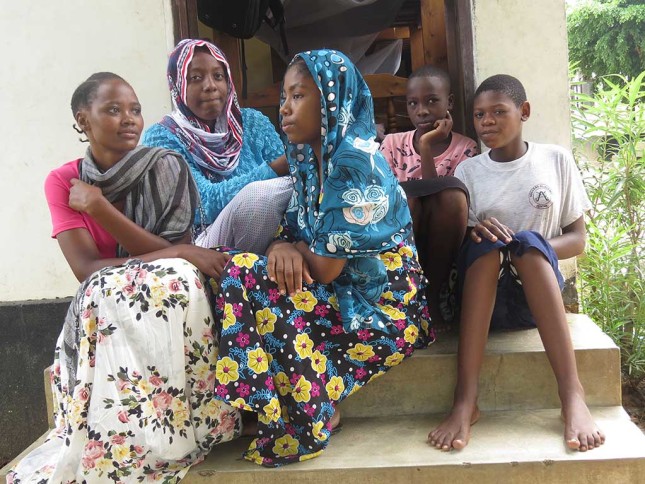
›When Mwanahamisi Abdallah’s mother announced plans to marry her off to a stranger, the 14-year-old Tanzanian girl burst into tears. She had no desire to marry—especially after learning the man already had three wives. Remembering advice from a teacher, she phoned authorities to intervene. They blocked the wedding and eventually delivered Mwanahamisi from her village in southeastern Lindi region to a girls’ shelter in Dar es Salaam.
-
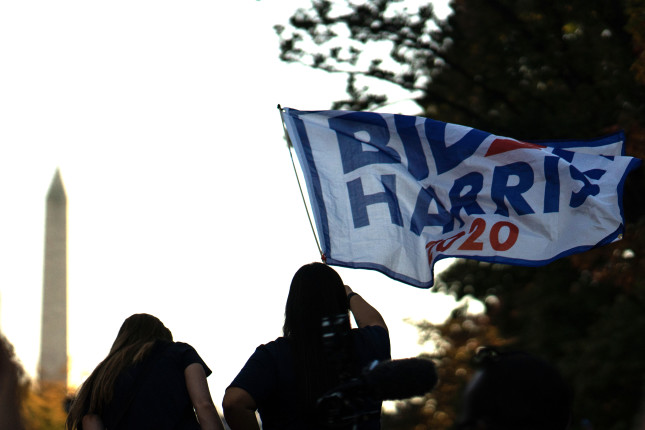
What Does a Biden-Harris White House Mean for Women and Girls? Everything.
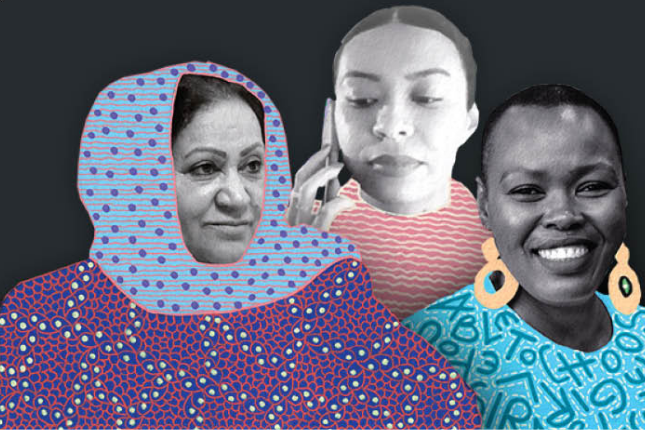
›The significance of the Biden-Harris administration for the world’s women and girls cannot be overstated. The current status of women and girls is grim. The COVID-19 pandemic and four years of dangerous policies designed to strip women and girls of their reproductive and economic autonomy and punish them—first for their biology, and second for their gender—have slowed and even reversed decades of progress toward gender equity. Systemic racism and policies meant to further exclude and disenfranchise minority communities have targeted women of color with tragic results.
Showing posts from category human rights.