-
Thomas Sankara’s Lost Legacy
›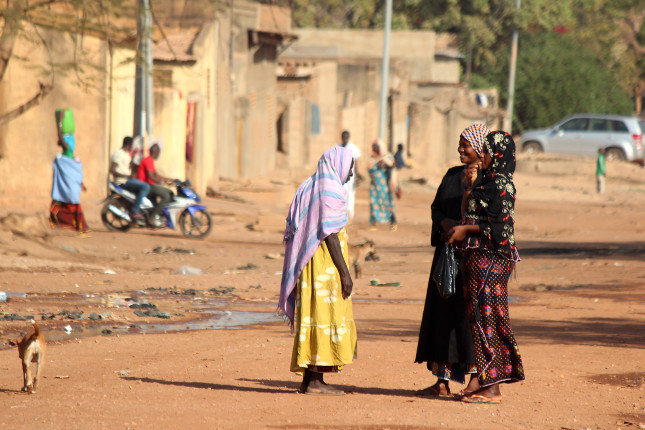
Thirty-four years ago, Burkina Faso’s president, Thomas Sankara, was murdered. Only now are his alleged assassins on trial. Had he survived, the arid, landlocked country of more than 20 million people might well have taken a far different path to development.
-
16DaysCampaign Calls to End Femicide: Research Shows Women in Perinatal Period at Risk
›
“Femicide is an important, but often unreported, cause of maternal mortality. This research documents the immediate need for universal abuse assessment of all pregnant women,” write the authors of the self-declared first study to report a definite link between abuse during pregnancy and attempted/completed femicide—the gender related killing of women. This study was published in 2002.
-
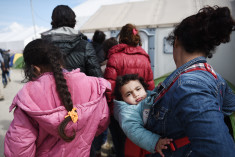
COVID-19 Pandemic Exacerbates Violence Against Refugee Women and Girls
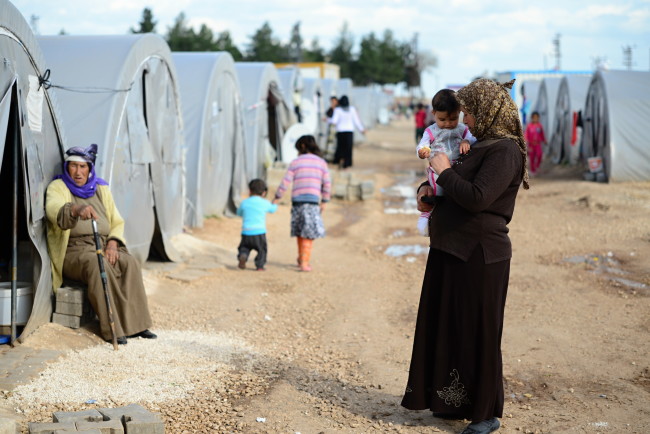
›Currently, refugee women and girls are facing three concurrent crises: their ongoing humanitarian crisis, the health crisis of the COVID-19 pandemic, and the invisible crisis of gender-based violence (GBV). COVID-19 has severely worsened various dimensions of inequality for refugee women and girls. A 2020 report found that 73 percent of forcibly displaced women interviewed across 15 African countries reported elevated cases of domestic or intimate partner violence due to the pandemic. In addition, 51 percent reported sexual violence and 32 percent observed a rise in early and forced marriages.
-
Localized Responses to Gender-Based Violence Leave Women-led Organizations Behind
›One in five women who is forcibly displaced will experience sexual violence, said Charlotte Slente, Danish Refugee Council Secretary-General at a roundtable on the prevention of gender-based violence in humanitarian crises during the 76th session of the United Nations General Assembly. The high-level roundtable was hosted by the Government of Denmark in partnership with several other international bilateral agencies, as well as women-led organizations.*
-
Integrating Conflict Prevention and Climate Change in U.S. Foreign Policy and Development Assistance
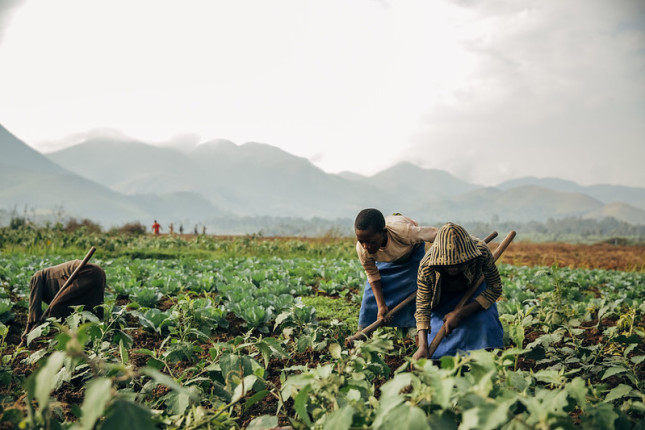
›Climate change is no longer an abstract issue we may face in the future. Devastating forest fires, the hottest June on record in the United States, lethal flooding in Europe and Asia, and extreme droughts in Africa reveal that the climate is already changing with extreme consequences. Even more concerning than these events alone is the reality that the drivers of climate change, violent conflict, and fragile states compound each other. Climate change exacerbates unstable social, economic, and political conditions, while conflict and fragility can hinder effective climate change response and adaptation. The U.S. can address the compound risks created by both of these issues only through integration of conflict prevention and climate change in its foreign policy and development assistance.
-
Afghans that Remain Are in Dire Need of Humanitarian Support
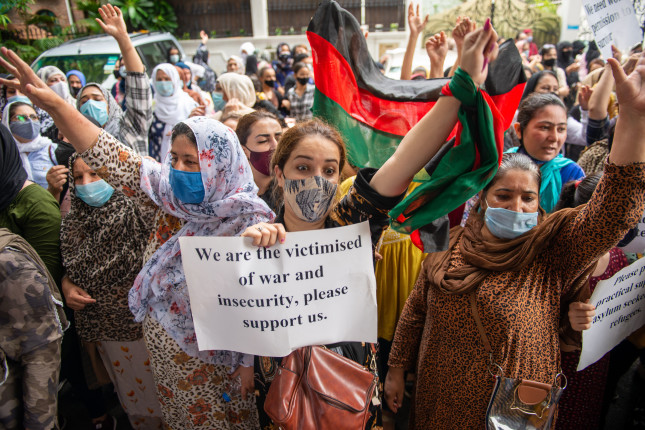
›Although large-scale evacuation efforts have dominated international attention, evacuation is only an option for a “tiny fraction” of the Afghan population, said Vicki Aken, Country Director for Afghanistan at the International Rescue Committee, at a congressional briefing hosted by the Tom Lantos Human Rights Commission. The briefing was focused on the evolving humanitarian situation in Afghanistan and the need for civil protection in the country. “More than 40 million Afghans will remain in Afghanistan,” said Aken. “And half of them already face critical humanitarian needs.”
-
Engaging Marginalized Groups is Essential to Achieving Universal Health Coverage
›Too often, many in my community are excluded from sexual and reproductive health services, said Ruth Morgan Thomas, co-founder and Global Coordinator of the Global Network of Sex Work Projects, in today’s episode of Friday Podcasts. This episode features highlights from a recent Wilson Center and UNFPA event where Thomas and Zandile Simelane, an HIV Youth Advocate from Eswatini, address the barriers that their respective communities—sex workers and HIV positive youth—face in accessing sexual and reproductive health (SRH) services and universal health coverage (UHC). -
The Top 5 Posts of June 2021
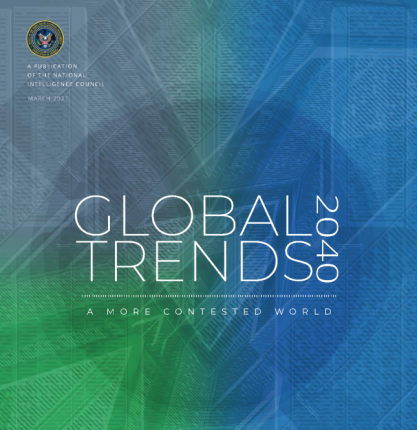
›In our top post for June, Steve Gale shares 5 consequences out of the National Intelligence Council’s recently released Global Trends report that development actors should be particularly attuned to. In addition to the “long tail” of the COVID-19 pandemic, the report recognizes the environmental consequences of climate change, including unprecedented numbers of wildfires, increased intensity of tropical storms, and sea-level rise. As a result, migration will be more pronounced and require more targeted aid approaches as demographics shift.
Showing posts from category human rights.
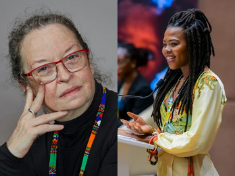 Too often, many in my community are excluded from sexual and reproductive health services, said Ruth Morgan Thomas, co-founder and Global Coordinator of the