-
Why Climate Change Will Exacerbate Inequalities and Grievances in Iraq
›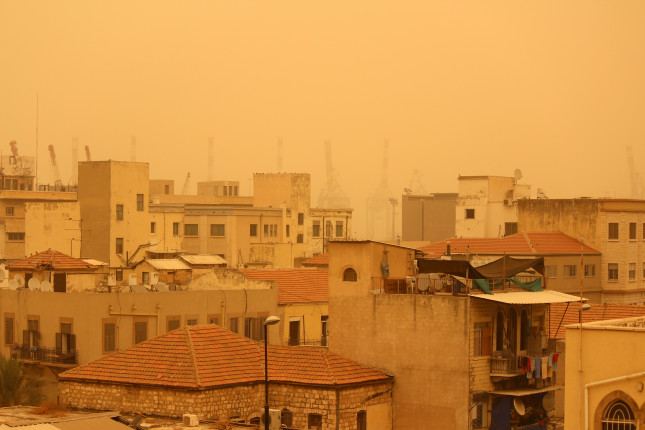
The UN Environment Programme has ranked Iraq as the fifth most vulnerable country to climate change. In recent years, it has increasingly witnessed extreme heatwaves with temperatures reaching above 50°C. Iraq’s mean annual temperature also is predicted to increase by two degrees Celsius by 2050.
-
Gender Inequality in Mexico’s Fractured Public Health System
›Dot-Mom // From the Wilson Center // Guest Contributor // April 20, 2022 // By Samantha Kane Jiménez
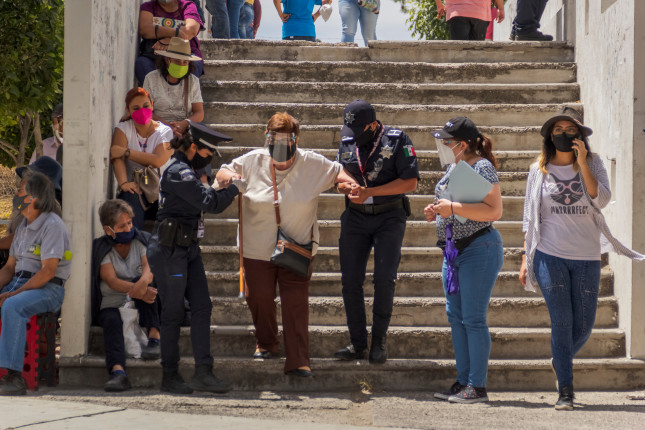
In recent years, Mexican women have experienced a significant downgrade in the quality and accessibility of public healthcare – and not due to the COVID-19 pandemic – said Irene Tello, Executive Director of Mexican impunity watchdog Impunidad Cero, at a recent event hosted by the Wilson Center’s Mexico Institute. The expert panel agreed that the greatest barriers for Mexican women seeking medical attention lie in the current government’s nearsighted health policies and mismanagement of the public health sector.
-
Raising Momentum for Integrating Respectful Maternity Care in Humanitarian Settings
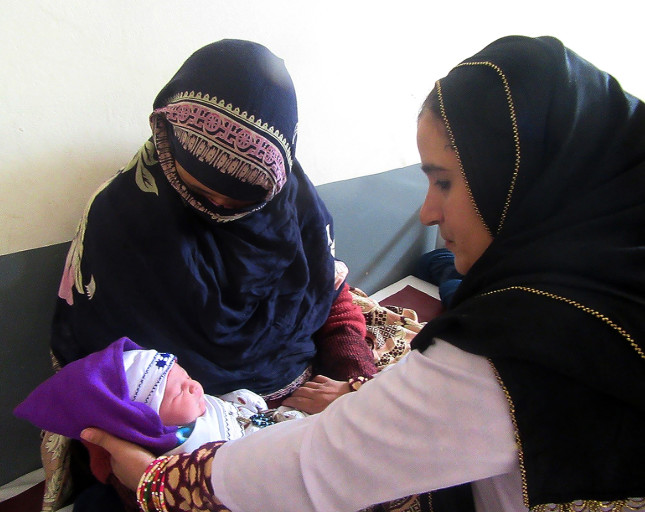
›Greater than one third of all women experience mistreatment during facility-based childbirth. Mistreatment, particularly in humanitarian settings, may include verbal or physical abuse, poor patient-provider rapport, a lack of information about maternal and newborn health (MNH) services for both pregnant women and providers, lack of privacy within facilities, challenges with receiving informed consent from women for medical procedures due to language and cultural barriers, and denied or delayed care. Such mistreatment can stem from historical tensions between populations seeking care and health workers (both foreign and local) as well as systemic mistreatment of providers who are burned out and possibly carry their own biases. Evidence shows that some women delay seeking care, or avoid care entirely because of social fears stemming from negative stigma or negative perceptions of their situation.
-
No Progress Without Quality: Why Quality of Care Matters
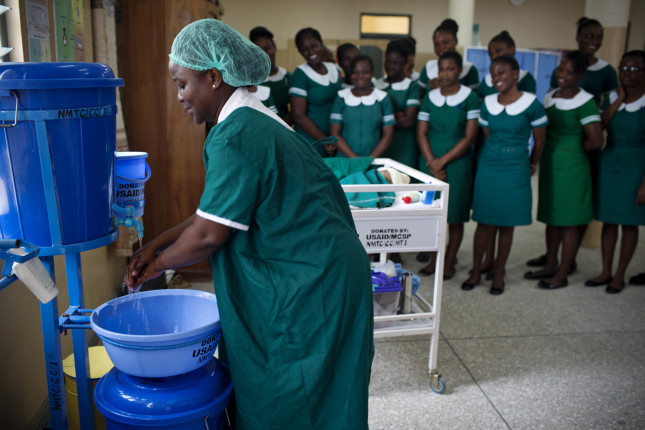
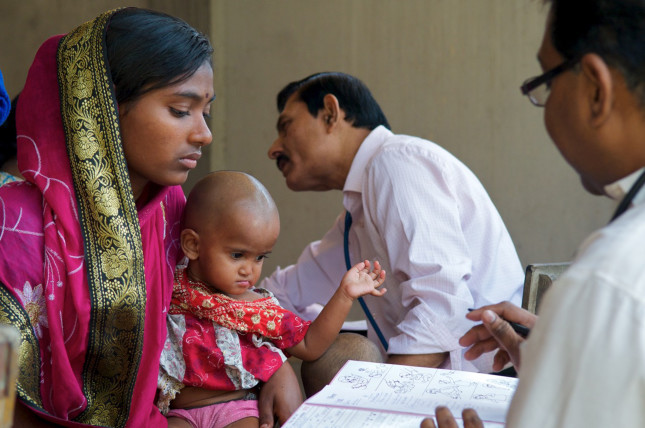
›Evidence shows that in low- and middle-income countries, the expansion of health coverage or access to care has not always reduced overall mortality, said Dr. Patricia Jodrey, Child Health Team Lead in the Office of Maternal and Child Health and Nutrition at the U.S. Agency for International Development (USAID). “However, the analysis also showed that when countries have progressed in improving the quality of their health systems, the survival rate tends to improve,” she said.
-
Sharon Guynup, Mongabay
Preventing the Next Pandemic is Vastly Cheaper Than Reacting to It: Study
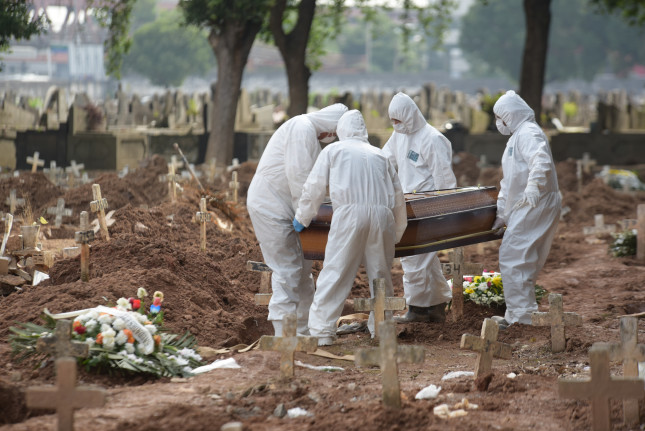
›As the novel COVID-19 coronavirus swept the planet in early 2020, researchers scrambled to find effective treatments and vaccines. Within a year, there was a clarion call from heads of state, the World Health Organization (WHO) and other agencies to create an international “pandemic preparedness and response” treaty. WHO noted that COVID-19 offered “a stark and painful reminder that nobody is safe until everyone is safe” from zoonotic disease outbreaks.
-
COVID-19 Costs: Declining Maternal and Child Nutrition in Low-and Middle-Income Countries
›“The pandemic and related global economic recession are severe setbacks to already insufficient progress towards meeting the global nutrition targets set for 2025 for stunting, wasting, maternal anemia and breastfeeding,” write the authors of a 2021 study examining the effects of COVID-19 on child and maternal health and nutrition. Adequate nutrition in the perinatal period is essential for healthy mothers and babies, and COVID-19-induced poverty and disruptions to global supply chains have compromised the food security of people around the world, mostly in low-to-middle-income countries (LMICs).
-
Integrating Leadership Skills in Cervical Cancer Prevention Efforts
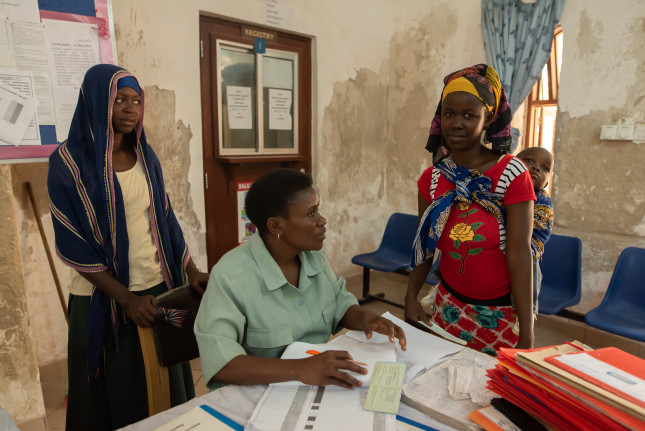
›With a high burden of cervical cancer in Tanzania, we are advocating for the government’s parliament to prioritize cervical cancer prevention in its annual budget, said Dr. Safina Yuma, a Reproductive Cancer Coordinator at the Ministry of Health, Tanzania, at a recent event hosted by TogetHER for Health on cervical cancer leadership in recognition of cervical cancer awareness month. At least 270,000 women die globally from cervical cancer each year and in Tanzania, it is a leading cause of death, taking the lives of approximately 4,200 women annually. However, cervical cancer is 90 percent preventable with appropriate prevention strategies such as human papillomavirus (HPV) vaccinations and screenings. Expert leaders from NJIA, a leadership development program for practitioners working in cervical cancer research and prevention, discussed strategies for improving collaboration and leadership within the medical profession to reduce avoidable deaths.
-
Accessing Health Services: Experiences of Women in Jaffna, Sri Lanka
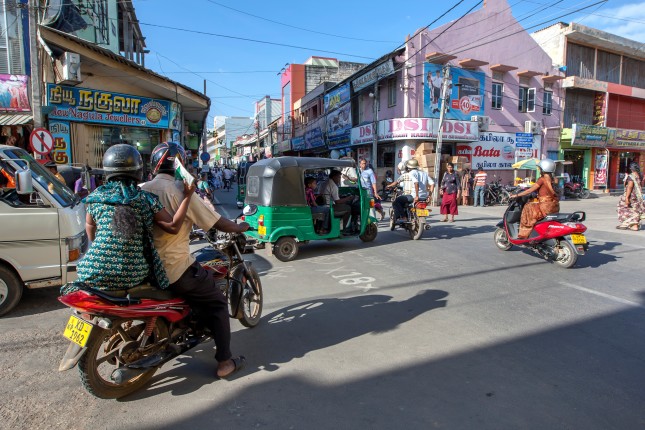
›“Most of the people living here are helpless,” said a woman in Jaffna, a district of northern Sri Lanka, nearly ten years after the country’s civil war ended. It was 2017, and I was conducting research with women in two villages in Jaffna. This woman’s sentiment reflected the challenges many in her community are still facing, including the ability to access health services. Through this research, my colleagues and I found that women’s access to healthcare was influenced by both their gender—particularly gender norms and gender roles—and household income. Better understanding of how gender and gender dynamics impact healthcare access will be essential to improving their lives.
Showing posts from category health systems.