-
The First-Ever White House Maternal Health Day of Action – Access to Care is Critical
›
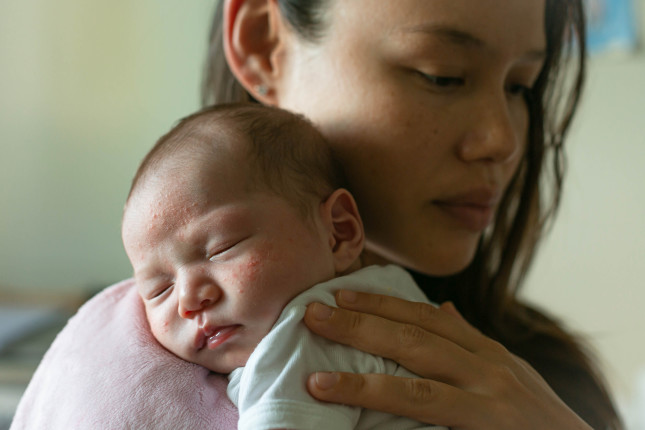
“Regardless of income level, regardless of education level, Black women, Native women, women who live in rural areas are more likely to die or be left scared or scarred from an experience that should be safe and should be a joyful one; and we know a primary reason why this is true – systemic inequities,” said Vice President Kamala Harris during her opening remarks at the first-ever White House Maternal Health Call to Action Summit on December 7, 2021. Members of Congress and maternal health advocates gathered to discuss the importance of addressing racial disparities and systemic challenges in maternal health through national policy.
-
Through the COVID-19 Lens: Essential Services Needed to Prevent Unintended Pregnancies
›
“The current pandemic is straining human resources, disrupting supply chains and service delivery, and negatively impacting service seeking among women and girls in countries across the globe,” said Sarah Barnes, Project Director of the Wilson Center’s Maternal Health Initiative. She spoke at a recent event, co-hosted by the UN Population Fund (UNFPA), on unintended pregnancies during the COVID-19 pandemic. The increasing rates of unintended pregnancies during the pandemic have exacerbated the vulnerabilities of many women, said Anneka Knutsson, Chief of the Sexual and Reproductive Health Branch at UNFPA.
-
COVID-19 Pandemic Exacerbates Violence Against Refugee Women and Girls
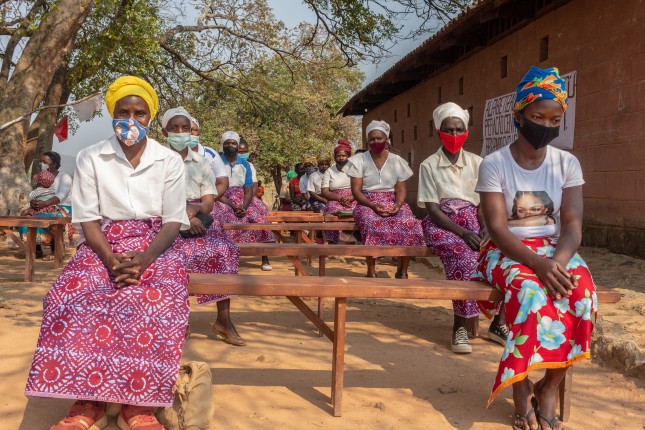
›Currently, refugee women and girls are facing three concurrent crises: their ongoing humanitarian crisis, the health crisis of the COVID-19 pandemic, and the invisible crisis of gender-based violence (GBV). COVID-19 has severely worsened various dimensions of inequality for refugee women and girls. A 2020 report found that 73 percent of forcibly displaced women interviewed across 15 African countries reported elevated cases of domestic or intimate partner violence due to the pandemic. In addition, 51 percent reported sexual violence and 32 percent observed a rise in early and forced marriages.
-
Avoiding the Next Pandemic: A NOW Interview with Sharon Guynup
›For microbes, there are no boundaries. “They jump the Darwinian divide,” says Sharon Guynup, Environmental Journalist and Wilson Center Global Fellow, in a new episode of Wilson NOW. “Because of human alteration to the planet, we [are] increasing the emergence of new zoonotic diseases,” says Guynup.
-
Seeing and Hearing Mothers: Uncovering Poor Perinatal Mental Health
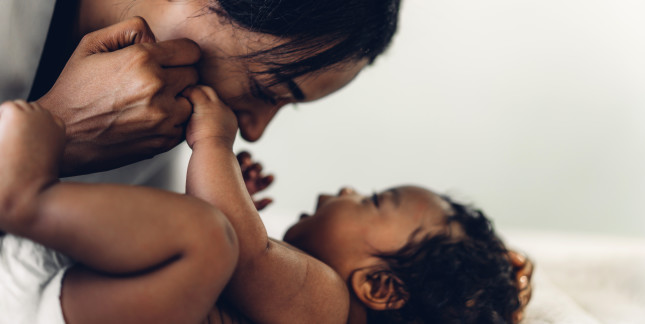
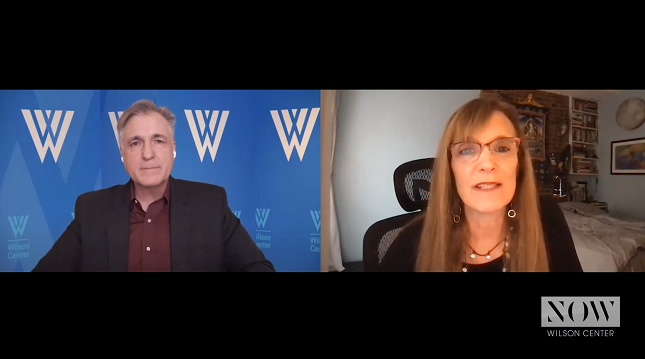
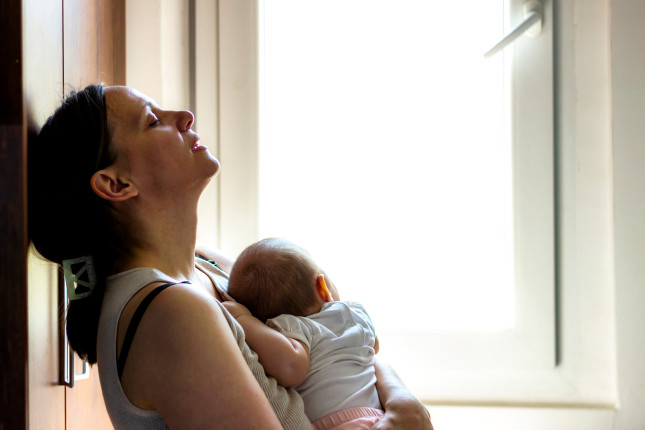
›Globally, 15 to 20 percent of women experience a perinatal mental health condition, said Sarah Barnes, Project Director of the Maternal Health Initiative at a recent event, held in partnership with the United Nations Population Fund (UNFPA), on mental health support for mothers in the perinatal period. Women are more likely to develop anxiety or depression in the year after giving birth than in any other time in their lives, with suicide and overdose the leading causes of death in the first year postpartum. “And yet, the prevention, early recognition, and treatment of perinatal mental health conditions is a challenge for many, if not most, healthcare systems across the world,” said Barnes.
-
Achieving SDG 6.2: Adequate and Equitable Sanitation and Hygiene for Who?
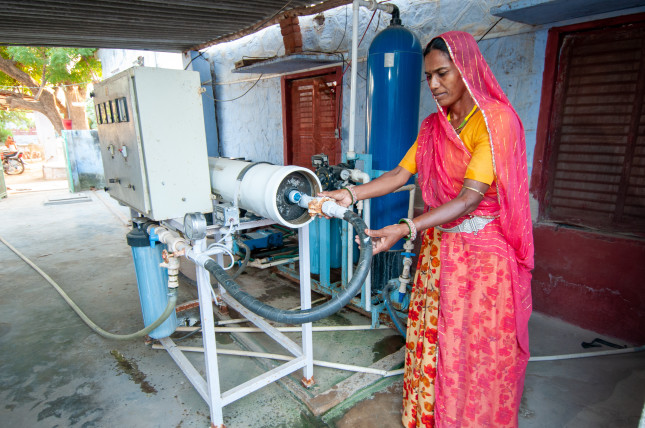
›International development organizations do not exist outside of global systems of oppression. However virtuous their intentions, the power held by development actors remains largely in the hands of the western elite, echoing colonial-era global dynamics.
-
Happy World Gorilla Day! A Conversation with Dr. Gladys Kalema-Zikusoka on COVID-19’s Impact on Gorilla Conservation and Public Health in Uganda
›“When we started out, people thought it was weird. ‘Why are you integrating people and animals and why are you integrating human health and animal health?’” says Kalema-Zikusoka, founder of Conservation Through Public Health (CTPH), in this week’s New Security Broadcast. Indeed, health infrastructure and conservation have long been organized around distinct silos. “Donors were focusing on single sector funding, and government departments were aligned along single sectors,” says Kalema-Zikusoka. -
Respectful Maternity Care and Maternal Mental Health are Inextricably Linked
›A positive birth experience is not a luxury, but a necessity, said Hedieh Mehrtash, consultant for the Department of Sexual and Reproductive Health and Research at the World Health Organization (WHO), at a panel during the Maternal Mental Health Technical Consultation hosted by the United States Agency for International Development’s (USAID) MOMENTUM Country and Global Leadership, in collaboration with WHO and the United Nations Population Fund.
Showing posts from category health systems.
 “When we started out, people thought it was weird. ‘Why are you integrating people and animals and why are you integrating human health and animal health?’” says Kalema-Zikusoka, founder of