-
A New Year Brings Enduring Challenges: Financing for Water and Sanitation Utilities During COVID-19
›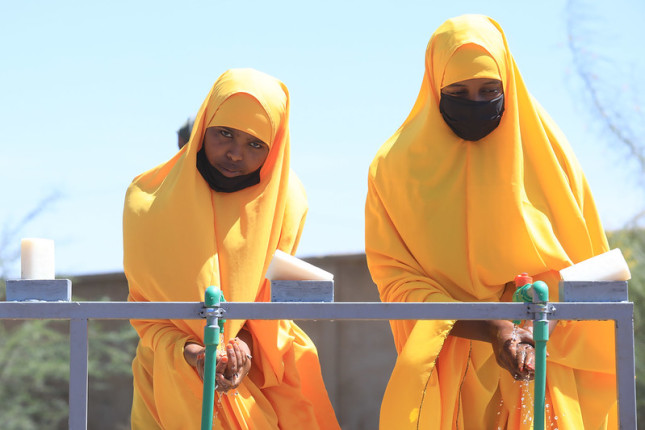
Eleven months have passed since COVID-19 was declared a global pandemic by the World Health Organization (WHO). As we rang in the new year, the world surpassed two million deaths due to COVID-19. While it is encouraging that 77 countries have distributed 168 million COVID-19 vaccine doses, only a small fraction of these are in low-income countries. Vaccinations may not be widely distributed in most of sub-Saharan Africa until 2022-2023. Furthermore, the new COVID-19 variant recently discovered in South Africa is estimated to be 50 percent more contagious, underscoring the need for a collaborative international response.
-
Reducing the Risk of Pandemic Disease Threats Through Multisectoral Action
›
“No single individual, discipline, sector or ministry can preempt and solve complex health problems.”
The COVID-19 pandemic underscores the importance of multisectoral action to contain and mitigate the effects of the virus. Presently, during crisis conditions or “war time,” in the language of outbreak experts, multisectoral efforts—including actions traversing health, education, labor, finance and other sectors—are readily apparent. But when policymakers perceive crises have passed, during so-called “peacetime,” governance structures that enable multisectoral collaboration tend to diminish or languish.
-
It’s Time for Scenario Planners and Enterprise Risk Managers to Join Forces
›Scenario planning—a powerful method for communicating and examining uncertainty—is once again in vogue as a result of the COVID-19 pandemic. Despite the growing interest in this approach, however, its use is still limited, deployed predominately by the intelligence, business, and military communities.
-
Dr. Raj Panjabi on the Importance of Community-Based Health Systems in Pandemic Response
›If there’s anything about responding to an epidemic, it’s that speed matters, and so does investing in people closest to the problem, said Dr. Raj Panjabi, Assistant Professor of medicine at Harvard Medical School and CEO of Last Mile Health, in this week’s Friday Podcast. The latter, he said, is the root of resilience. -
Building Bridges: What It Will Take to Develop a Safe, Effective COVID-19 Vaccine
›“I think we have to remember not to forget what these diseases did in the past and to actively collaborate, to work with each other, and to communicate well that vaccines work,” said Dr. Paul Duprex, Director of Pitt’s Center for Vaccine Research and Professor of Microbiology and Molecular Genetics at a recent Wilson Center event on the development of a COVID-19 vaccine, co-sponsored by the University of Pittsburgh (Pitt), March of Dimes, and the Jonas Salk Legacy Foundation.
-
The Resurgence of Indigenous Midwifery in Canada, New Zealand, and Mexico
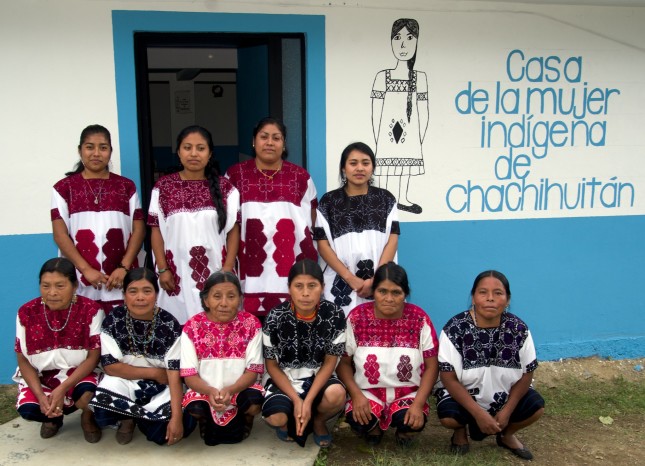
›Globally, Indigenous women experience worse maternal health outcomes than non-Indigenous women. In the United States, the risk of maternal death is twice as high for Native women than for white women, while in Australia the risk is four and a half times higher. This week’s Friday Podcast highlights remarks from a recent Wilson Center event with the United Nations Population Fund (UNFPA) and the International Confederation of Midwives about Indigenous midwifery. -
The Impacts of Climate Change on Alaska Native Maternal Health (Part 1 of 2)
›Dot-Mom // Navigating the Poles // October 14, 2020 // By Deekshita Ramanarayanan, Marisol Maddox, Bethany Johnson & Michaela StithEach year, 700 women in the United States die as a result of pregnancy-related complications. In fact, the United States has the highest maternal mortality ratio of all high-income countries—16.7 maternal deaths per 100,000 live births. For Indigenous/Alaskan Native women, that number is even higher: Indigenous/Alaska Natives are 2.3 times more likely to die from pregnancy-related complications than their white counterparts. While recent years have seen growing national attention to the U.S. maternal mortality crisis, research and advocacy for Indigenous peoples’ maternal health in the United States has been limited. This research gap includes the Alaskan Native peoples—Iñupiat, Yupik, Aleut, Eyak, Tlingit, Haida, Tsimshian, and multiple Diné tribes.
-
Knowledge Keepers: Why We Need Indigenous Midwives
›“We need more Indigenous midwives,” said Claire Dion Fletcher, an Indigenous Potawatomi-Lenape Registered Midwife and co-chair of the National Aboriginal Council of Midwives (NACM), at a recent Wilson Center event with the United Nations Population Fund (UNFPA) and the International Confederation of Midwives about Indigenous midwifery. Globally, Indigenous women experience worse maternal health outcomes than non-Indigenous women. In the United States, risk of maternal death is twice as high for Native women than white women, while in Australia the risk is four and a half times higher.
Showing posts from category health systems.
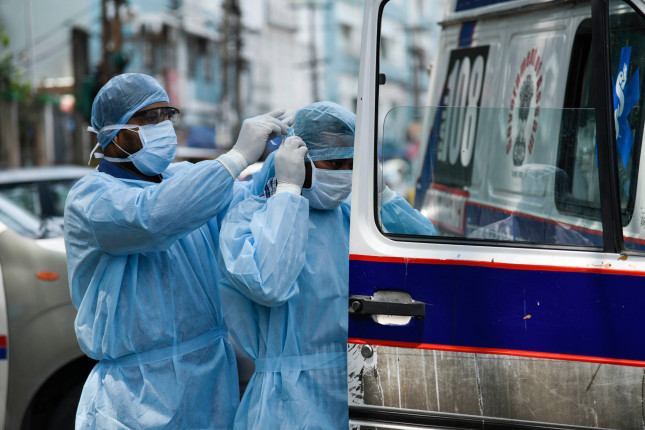
 If there’s anything about responding to an epidemic, it’s that speed matters, and so does investing in people closest to the problem, said Dr. Raj Panjabi, Assistant Professor of medicine at Harvard Medical School and CEO of Last Mile Health, in this week’s Friday Podcast. The latter, he said, is the root of resilience.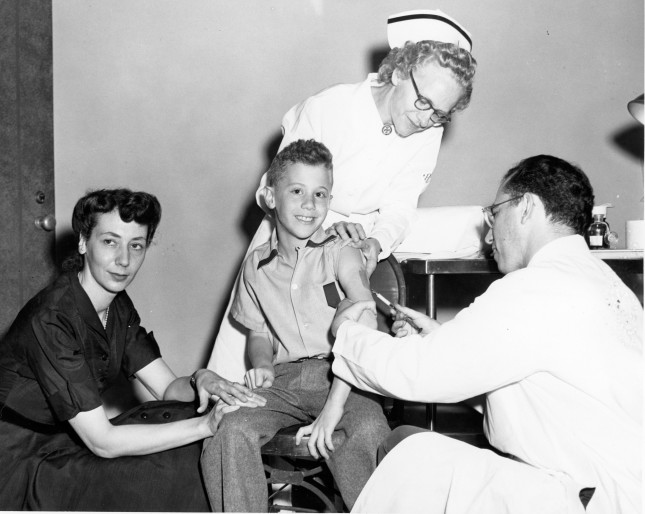
 Globally, Indigenous women experience worse maternal health outcomes than non-Indigenous women. In the United States, the risk of maternal death is