-
The Global Impact of COVID-19 on Women and Girls
›
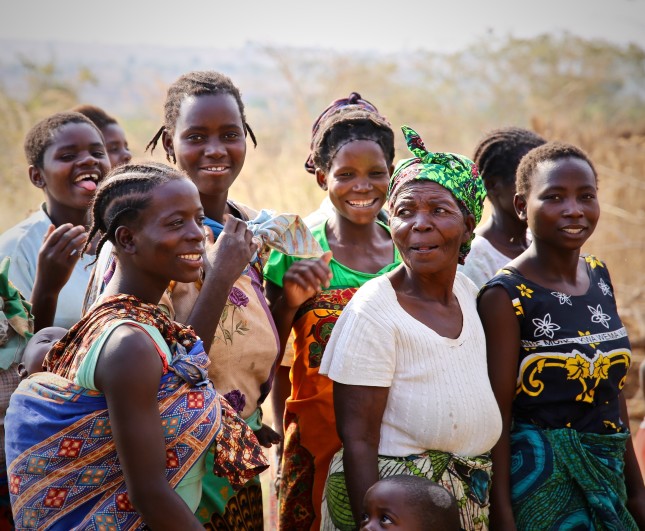
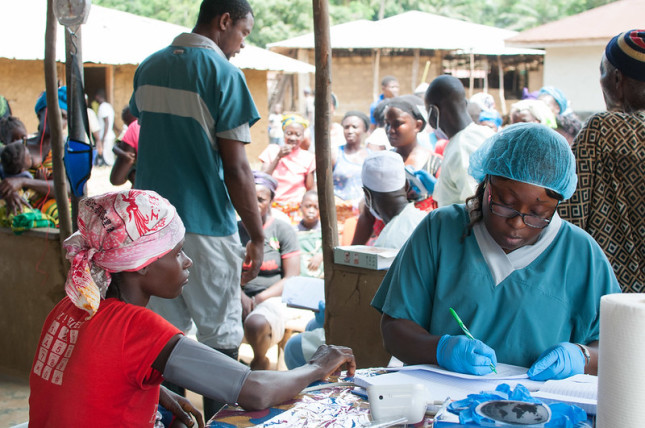
“As we face a global pandemic that has taken the lives of more than 800,000 people as of right now around the world, we certainly have to recognize the particular impacts that that has had on women and girls and their lives,” said Rep. Chrissy Houlahan (D-PA), at a recent event hosted by CARE and UNFPA about the global impact of COVID-19 on women and girls. While women make up 70-80 percent of frontline healthcare workers globally, they have also been disproportionately affected during the pandemic by increased rates of gender-based violence, lack of access to sexual and reproductive healthcare, and economic and food insecurity.
-
Meeting Women’s Modern Contraceptive Needs Could Yield Dramatic Benefit
›
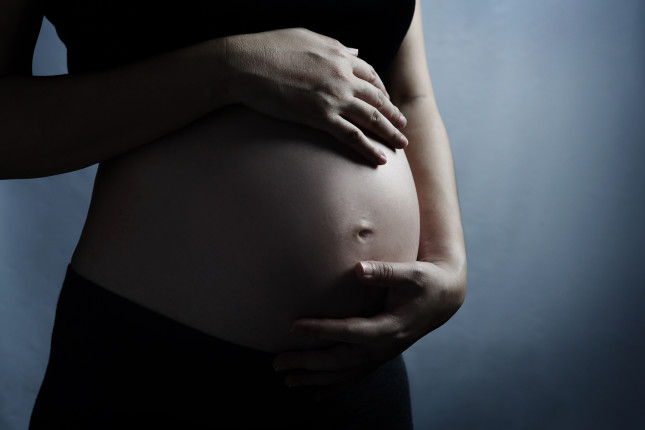
“Achieving true progress on sexual and reproductive health and rights requires a comprehensive approach and a commitment to tackling deeply entrenched inequities and injustices of which marginalized communities continue to bear the brunt,” said Dr. Herminia Palacio, President and CEO of the Guttmacher Institute. She spoke at a recent Wilson Center event where speakers analyzed findings from the Guttmacher Institute on the state of sexual and reproductive health and rights (SRHR) globally.
-
Why Feminism Is Good for Your Health
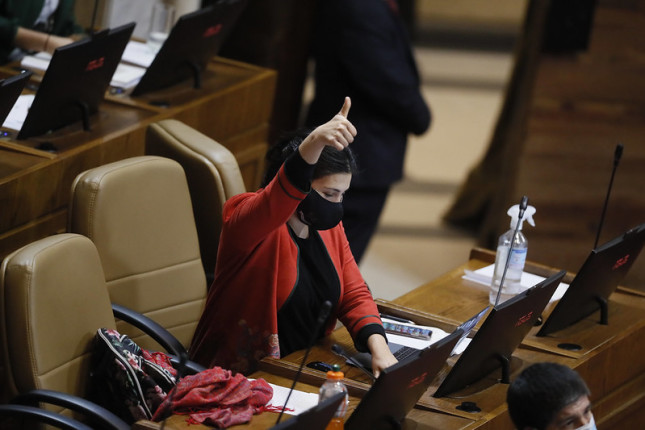
›As a world still dominated by patriarchy struggles with a deadly pandemic, the countries that have successfully navigated the global COVID-19 pandemic are distinguished by the gender of their leadership. Across the world, countries headed by women and representing diverse cultures—from Germany, Norway, and Finland, to Taiwan, New Zealand, and Namibia—have managed the crisis more effectively, with fewer fatalities and less livelihood loss than others. But what distinguishes these health winners is not just the female shape of their leaders but the feminist shape of their societies. Even more gender-balanced societies headed by men—like Canada—do better in health crises than their less equitable peers like the United States. On the other hand, the most patriarchal countries headed by regressive strongmen do worse at every level of development. Today, we see this in Brazil, which until recently had managed health crises well under less masculinist leadership.
-
Unlikely Heroes: We Neglect Water and Sanitation Service Providers at Our Own Peril
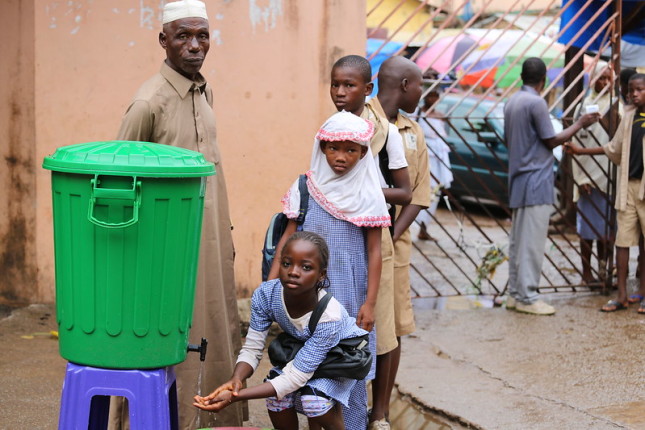
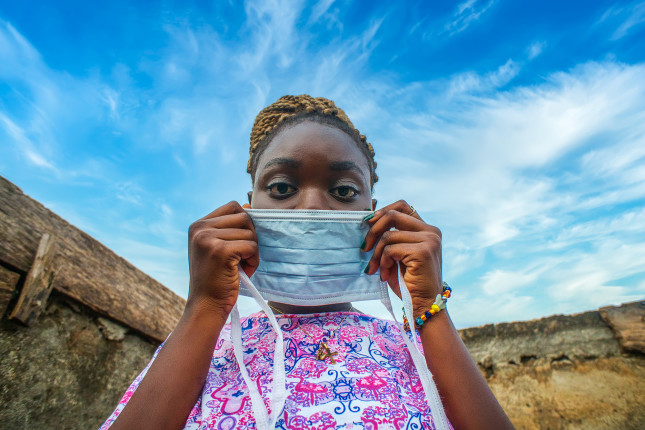
›Six months into the World Health Organization (WHO) declaration of COVID-19 as a global pandemic, many countries, including the United States, are still struggling to contain the spread of the virus which, as of this writing, has taken 744,649 lives globally. Before mask-wearing was recommended as the simplest and most effective defense against contagion, epidemiologists and public health experts recommended regular handwashing with soap and practicing social distancing as fundamental to curbing the spread of the COVID-19 virus. Briefly it appeared as if WASH (water, sanitation, and hygiene) services were actually being accorded the importance they deserved. The critical need for water for handwashing, the millions who lack regular supplies of both water and soap, and the difficulties of social distancing in settlements where thousands share a single toilet with no soap were finally headline news.
-
Structural Racism and its Impact on Black Maternal Health
›“The past months have been profoundly difficult for our nation, and for Black communities in particular,” said Representative Lauren Underwood (D-IL-14) at a recent March of Dimes event on the impact of structural racism on maternal health. COVID-19 has highlighted health outcome inequity caused by race and racism. Though Black people constitute 13 percent of the U.S. population, the CDC estimates they represent over 30 percent of COVID-19 cases.
-
Strengthening Fragile States: Why It Makes Sense to Invest in Global Health
›Fragile states, where 1.8 billion people live, continue to be where one is most likely to find extreme poverty, violent extremism, and those most vulnerable to natural disasters and pandemics, said Nancy Lindborg, President and CEO of United States Institute of Peace, at a recent Truman Center event on the ties between national security, global health, and development. Those governments that do not have the capacity to meet the needs of their people, she said, also tend to be the ones that cannot manage external shocks.
-
Accessing Justice: Femicide and the Rule of Law in Latin America
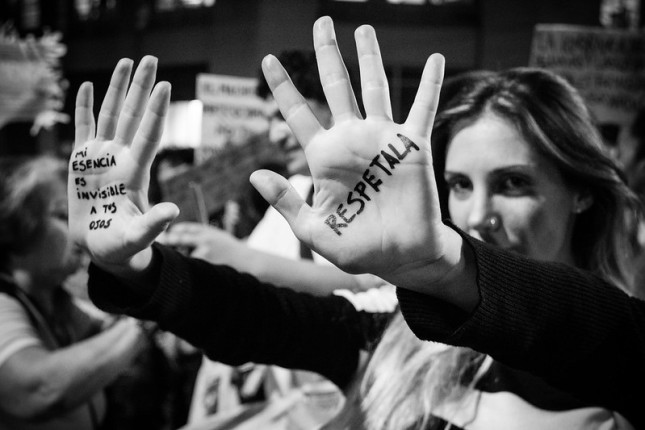
›Dot-Mom // From the Wilson Center // July 17, 2020 // By Annelise Gilbert, Beatriz García Nice, Olivia Soledad & Anya Prusa“The pandemic is just making visible a reality that has been going on for decades,” said Claudia Calvin, Founder of Mujeres Construyendo (Women Building) and a member of Nosotras Tenemos Otros Datos (We Have Other Data). She spoke at a recent Wilson Center event on femicide and the rule of law in Latin America. The panelists discussed the longstanding roots of this issue and new barriers to protecting women and preventing violence during the pandemic in the launch event for a project examining gender-based violence in Latin America, co-hosted by the Brazil Institute, Latin America Program, Mexico Institute, and Maternal Health Initiative. “Violence against women and femicides are not new,” Calvin said. But what is new is the fact that the media and civil society are bringing this topic to our attention, she said.
-
Women, Race, and COVID-19: A Conversation with Representative Alma Adams
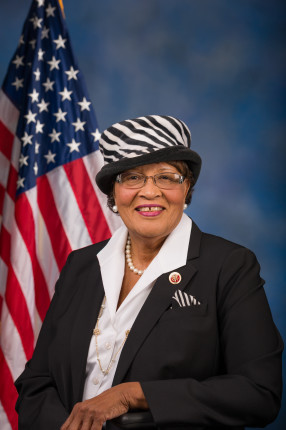
›“The pandemic has shown us in the starkest terms how wide the gaps are in health outcomes between Black and White America and between men and women,” said Representative Alma Adams (D-NC-12) at a recent Wilson Center event on women, race, and COVID-19 in the United States. “COVID-19 has revealed what the Black community and communities of color have known for a long time, health outcomes are further compounded by systemic and structural racism,” said Rep. Alma Adams. And COVID-19 has exposed what women have known for a long time. Gender inequality exists, it threatens economic empowerment, and it increases vulnerabilities.
Showing posts from category health systems.