-
Pandemic Brings WASH to Rare Inflection Point: Despite Fears of Collapse, Water, Sanitation, and Hygiene Draw Closer to Epic Goal
›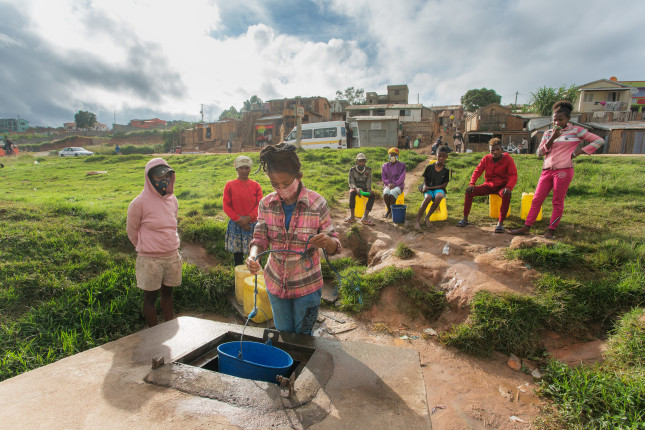
Until 2016, the agrarian residents of east Kenya’s Kitui county had never encountered a water quality monitor like Mary Musenya. Wearing a bright blue company jersey and furnished with sample bottles and plastic trays, the young Kenyan is a water safety officer for FundiFix, a tiny rural water supply service company. She is one of 20 staff who manage 130 pumps, plus pipes and water tanks that serve 82,000 people across a 1,000 square-mile service area in Kitui and Kwale counties.
-
Creating a New Normal with a New Global Public Health System
›
“Ask a big enough question, and you need more than one discipline to answer it,” said modern dance legend Liz Lerman.
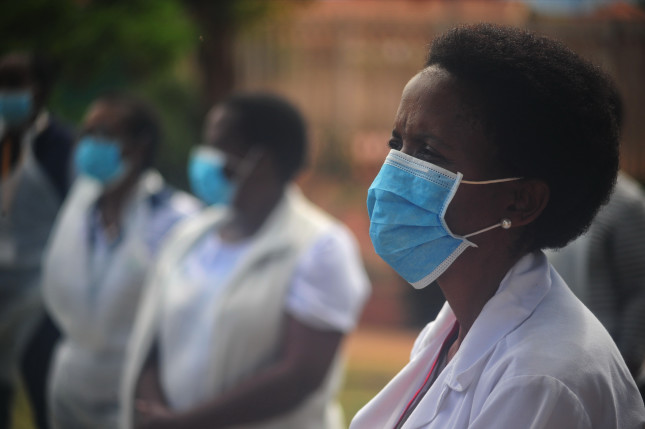
As the COVID-19 pandemic spread across the globe, the World Health Organization (WHO) warned that there would be no going back to normal. They knew a failure to make timely and accurate public health decisions for a pandemic would prove to be the “difference between life and death.” How correct they were.
-
Ensuring Essential Health Care for Mothers and Newborns During the Pandemic
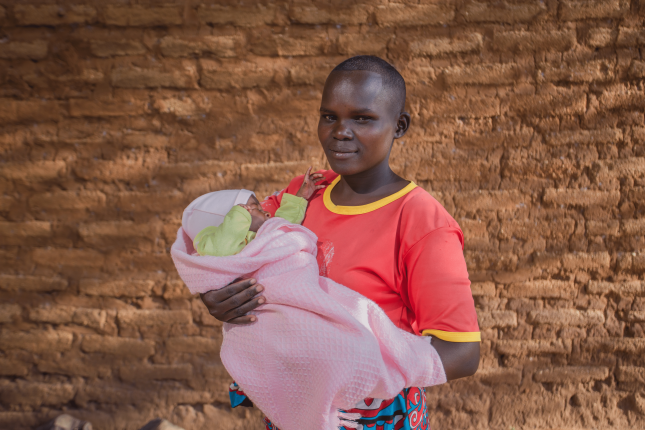
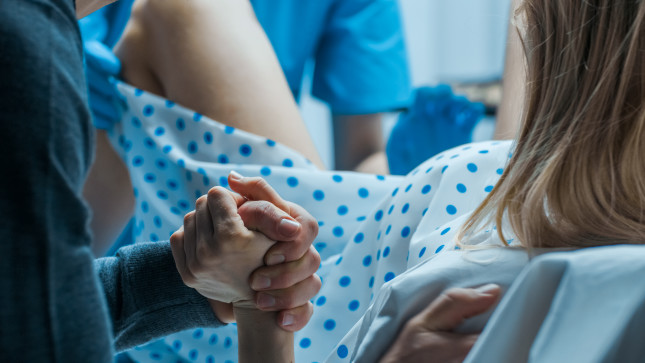
›Africa in Transition // Covid-19 // Dot-Mom // Guest Contributor // March 24, 2021 // By Koki AgarwalJoyce Makasi, a young woman in Kambiti village, Kitui County, Kenya, went into labor with her second child one afternoon in December 2020. She had just enough money to hire a motorbike to take her to nearby Waita health center. At the facility, the clinical officer and nurse told her she would need a cesarean delivery. It wouldn’t be her first cesarean, but COVID-19 presented new obstacles.
-
Overlapping Crises: Gender-Based Violence, Maternal Mental Health, and COVID-19
›According to the World Health Organization, 1 in 3 women in the world will experience physical or sexual violence during their lifetime. Intimate partner violence is the most common form of violence, impacting an estimated 641 million women worldwide. Lockdowns and disruptions in access to support services due to the COVID-19 pandemic have exacerbated the prevalence of gender-based violence (GBV).
-
COVID-19’s Pregnancy Paradox: Greater Disease Risk but Lower Vaccine Priority
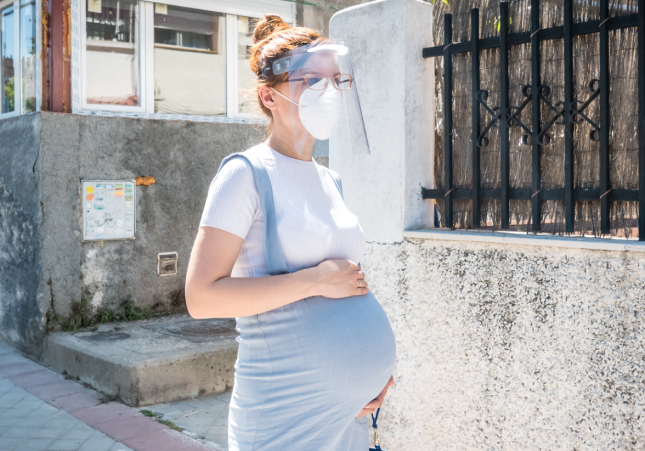
›“Greater attention to pregnant patients as a unique population at higher risk of SARS-CoV-2 infection sequelae, is critical to preventing maternal and neonatal morbidity and mortality,” write the authors of a study in the American Journal of Obstetrics and Gynecology examining morbidity and mortality among pregnant women with COVID-19 in Washington state. The study found “markedly higher” hospitalization and fatality rates among this group compared with similarly-aged non-pregnant individuals.
-
Reviving Culture Through First Nations Midwifery
›“It’s more than just clinical care. It’s cultural. It’s connection to country. It’s connection to land. It’s all of those things that are important to the woman and family, kinship, babies,” says Mel Briggs, a First Nations midwife in Australia, speaking about the importance of Aboriginal midwifery in this week’s Friday Podcast. Like her great-grandmother, Briggs followed the call to midwifery and finds joy in helping women and families “create really healthy, chunky, fat babies.” -
Turning Applause into Action: Investing in Women Leaders in Nursing and Midwifery
›“Midwives and nurses contribute to the health of women, families, communities, and society at large, but the impact of their care goes much further… Their care is transformational,” said Diene Keita, Deputy Executive Director for Programmes at UNFPA. She spoke at a recent event hosted by Women in Global Health, which virtually convened nurses and midwives from around the world to celebrate 100 outstanding women nurse and midwife leaders from over 50 countries. The event occurred in honor of the Year of the Nurse and the Midwife, as designated by the World Health Organization (WHO). The list of 100 leaders is the first global recognition of its kind and commemorates women’s unique stories of resilience, leadership, and hard work.
-
Redesigning Health Systems for Global Health Security
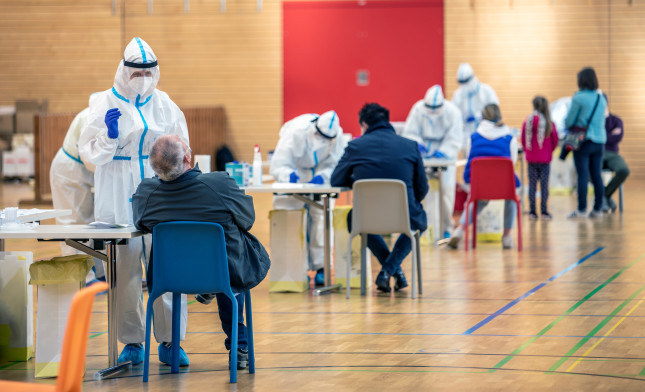
›Africa in Transition // Covid-19 // Guest Contributor // February 22, 2021 // By Uzma Alam, Juliet Nabyonga-Orem, Mohammed Abdulaziz, Ambassador (ret.) Deborah R. Malac, John N. Nkengasong & Dr. Matshidiso R. MoetiAfrica was predicted to be hardest hit by the COVID-19 pandemic, given its poor health systems. However, this outcome has not been the case. Despite the U.S. being the highest spender on health care globally, COVID-19 has shown that its primary care infrastructure is in much need of strengthening. But we should not mistake COVID-19 as the biggest pandemic of our time. If anything, it is only a dry run, with other epidemics brewing on the horizon. Therefore, if the global community is serious about epidemic preparedness, global health security, and protecting the most vulnerable, we need to redesign health systems for resilience. Africa’s lessons from the COVID-19 pandemic, as well as from concurrent outbreaks of cholera, Ebola virus disease, yellow fever, and chikungunya, could provide a roadmap.
Showing posts from category health systems.
 “It’s more than just clinical care. It’s cultural. It’s connection to country. It’s connection to land. It’s all of those things that are important to the woman and family, kinship, babies,” says Mel Briggs, a First Nations midwife in Australia, speaking about