-
Water Diplomacy can Learn from Realist Ideas
›Guest Contributor // Water Security for a Resilient World // July 19, 2022 // By Sumit Vij, Jeroen Warner, Mark Zeitoun & Christian Bréthaut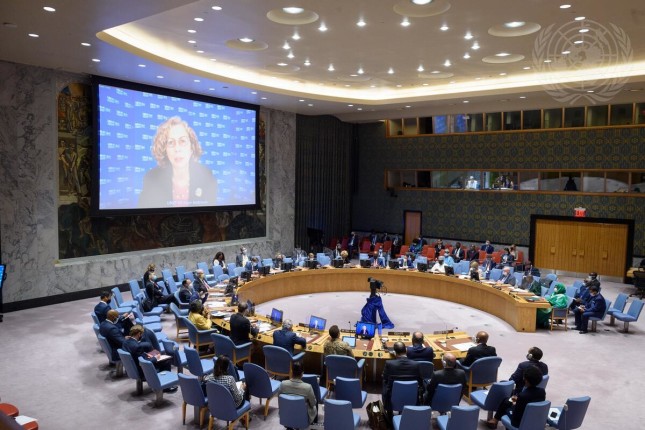
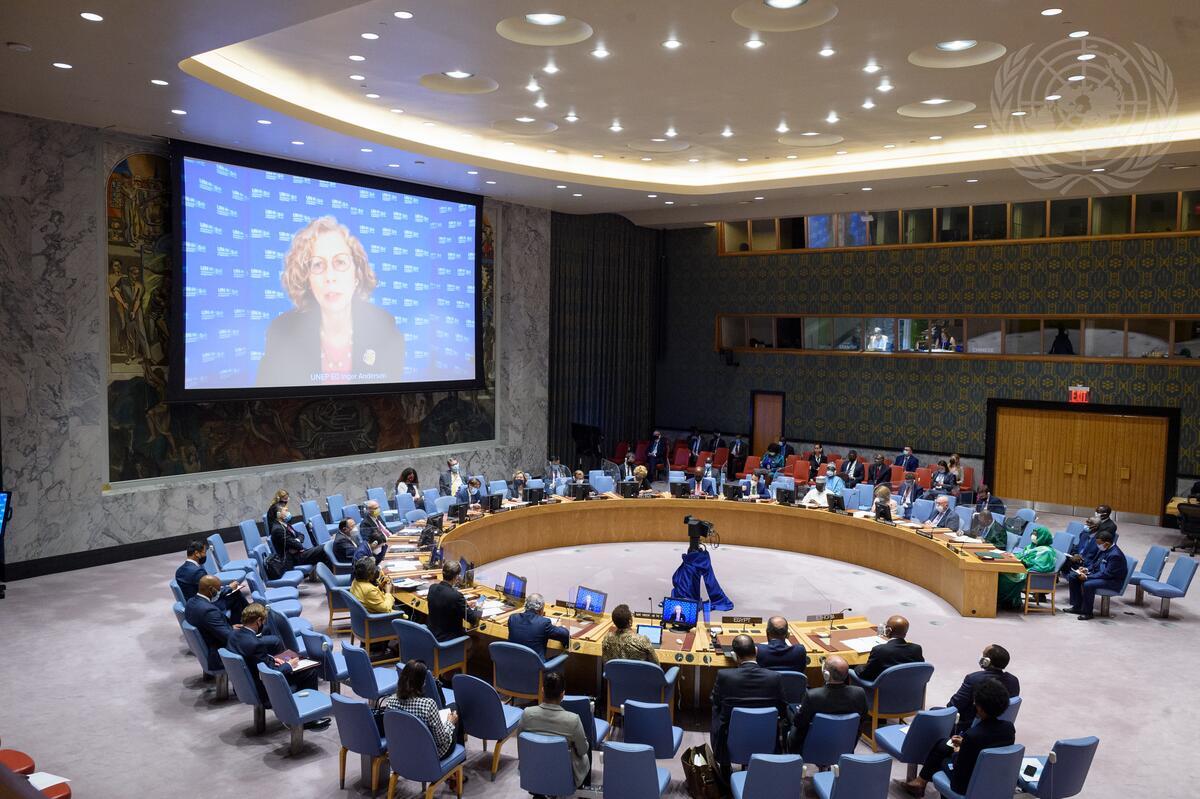
As Russia’s war in Ukraine continues and nations are returning to behaviors best explained by realism, we are wrestling with these trends’ longer-term implications on water diplomacy. States are becoming inward-looking and prioritizing national sovereignty. Debates about water and climate are resurfacing, and we should better understand how hard power and inward-looking approaches can impact water diplomacy and cooperation. To inform policymakers about power sensitivities and power games played in diplomacy, water diplomats must rethink the future of water security and peace. They should reexamine leadership styles, cultural sensitivities, and knowledge exchange from the lens of realism.
-
Climate Finance: Taking Stock of Investments and Opportunities to Sustain Peace
›
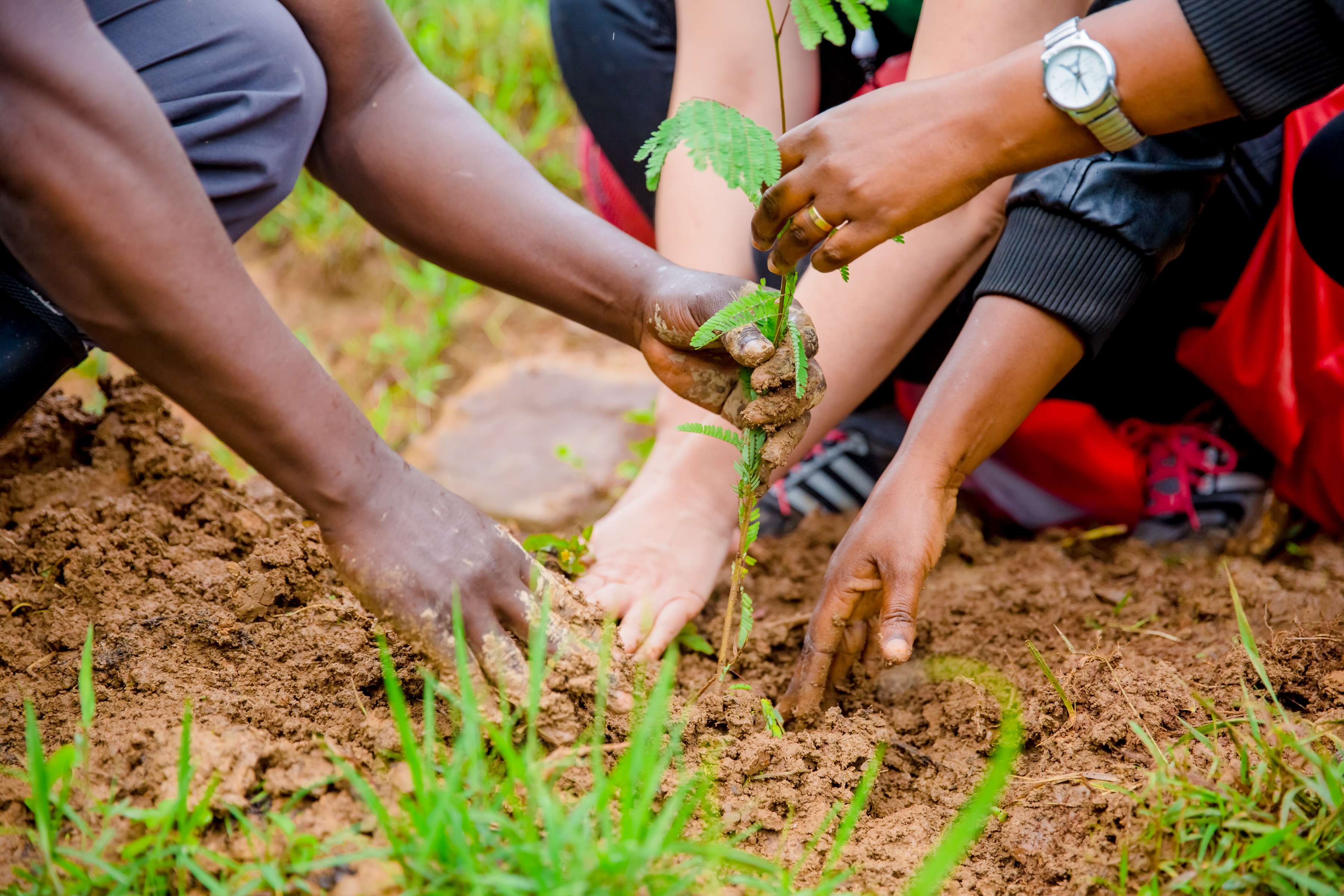
A key pillar of the UNFCCC was a commitment by industrialized nations to cover the incremental cost of climate change mitigation for developing countries. As part of this pledge, they agreed to mobilize $100 billion a year in climate finance by 2020 and maintain that level of funding up to 2025. While there are questions on whether this target has been met, climate finance has undeniably become one of the largest channels of wealth redistribution from developed to developing countries.
-
What’s in a Name? Making the Case for the Sahel Conflict as “Eco-violence”
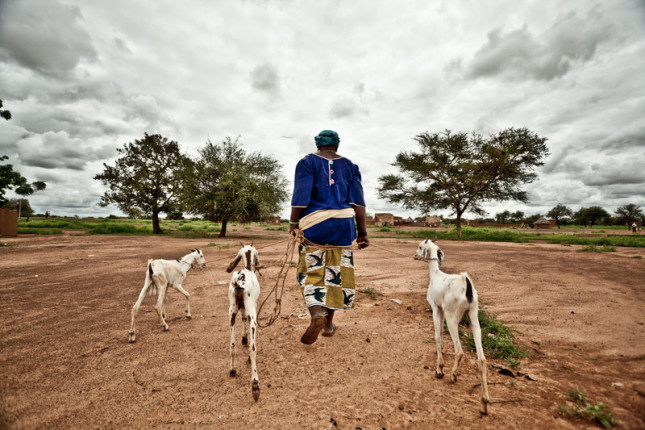
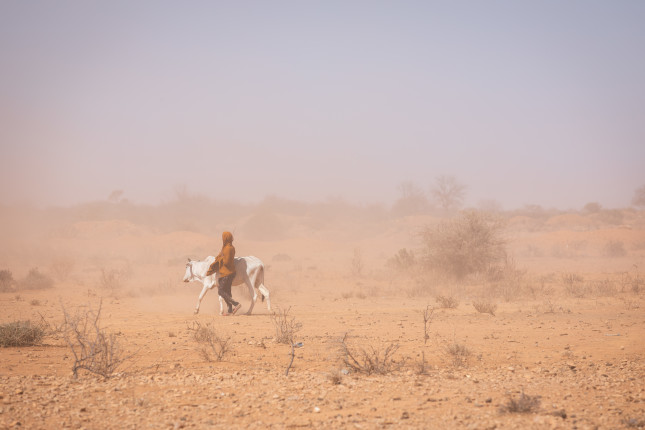
›The Sahel region of Africa is a semi-arid, arc-shaped landmass that stretches 3,860 kilometres from Senegal across portions of Mali, Burkina Faso, Niger, Nigeria, Chad, and even Sudan. It is also the most neglected and conflict-ridden part of the planet, according to the Norwegian Refugee Council.
-
Tackling Scarcity and Building Security: A Response to IUU Fishing
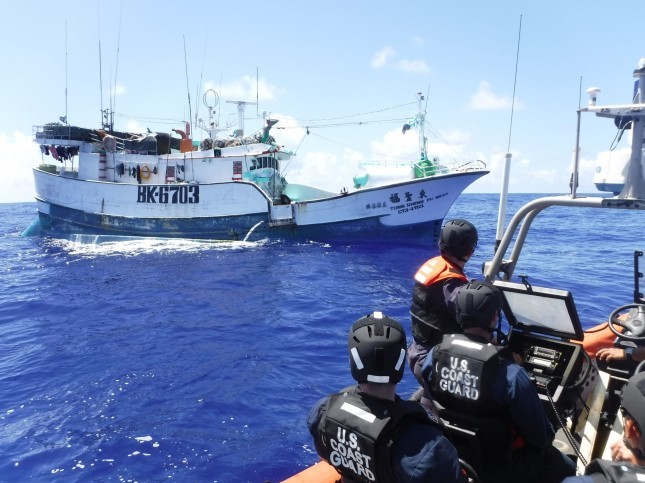
›Last month, as global leaders met in Lisbon for the UN Oceans Conference, President Biden signed a National Security Memorandum to address the challenge of illegal, unreported and unregulated (IUU) fishing. This event is a promising sign that the U.S. and other governments are accelerating the response to the threat that IUU fishing poses—not just to the environment, the economy and human rights, but also to global peace and security.
-
Responsible Research Won’t Be Enough to Control Solar Geoengineering
›As climate change worsens, the once-unimaginable power to use technology to cool the planet—a method known as “solar geoengineering”—has quietly entered the realm of possibility. Yet the prospect of developing such planet-altering technologies has launched an intense debate: Can this be achieved responsibly? Should it be attempted at all?
-
World Population Day Shines a Spotlight on Inequities
›July 11 is World Population Day—a day designated annually by the United Nations that should prompt us, in the words of the International Institute for Sustainable Development, to “focus attention on the urgency and importance of population issues.”
Examining population trends helps describe where we’ve been and suggests where we’re headed. Yet these facts about human existence on our planet also offer insights into how we got here—including a window into places where inequities exist and rights have been denied.
-
Preventing the Next Pandemic: Scaling Laboratory Operations in Developing Countries
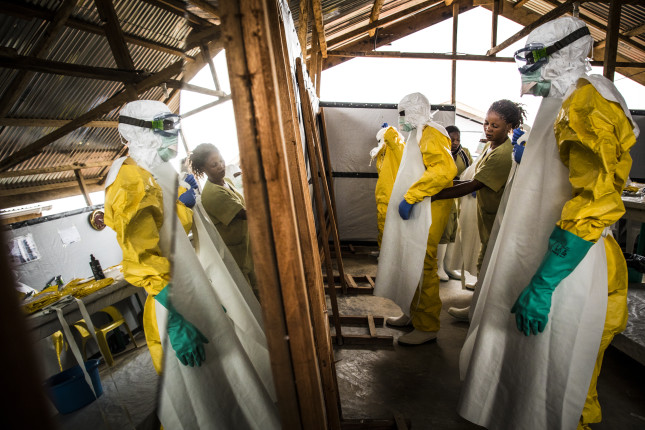
›In 1976, a Belgian Catholic mission and hospital in what is now the Democratic Republic of the Congo (DRC) was stricken with a mysterious illness that caused fever-like symptoms. Most of the patients who contracted the illness died. A young microbiologist named Jean-Jacques Muyembe Tamfum was called to the mission, where he extracted blood samples from those who had fallen ill. The DRC did not have a functional research laboratory at the time, so Muyembe had to send his samples to Belgium for analysis. The results that came back revealed that they contained a new deadly virus: what the world came to know as Ebola, named after a river near the mission.
-
Exploring Climate Security: Why Bad Outcomes Occur in Some Places and Not Others
›My latest book—States and Nature: The Effects of Climate Change on Security (Cambridge University Press)—has been more than two decades in the making. And as I reflect on that journey, I see significant parallels between my own trajectory and the larger efforts to define and refine thinking about climate security.
Showing posts from category Guest Contributor.