-
Leveraging Hydropower for Peace
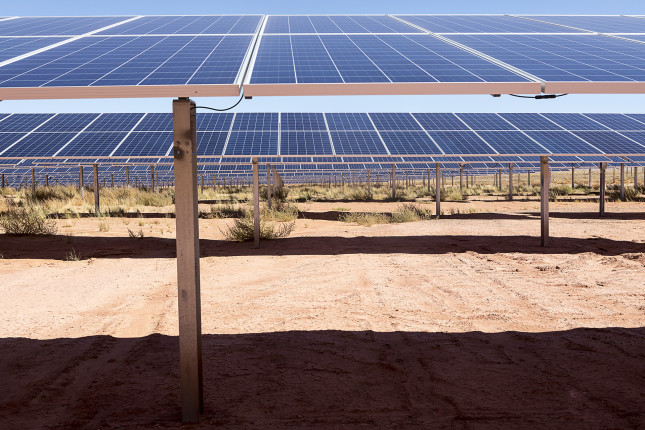
›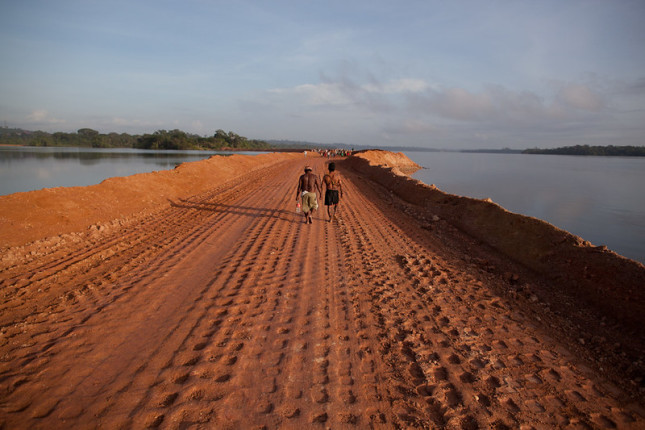 Hydropower is the largest source of low-carbon electricity in the world today. And its benefits are needed more than ever. The International Energy Agency estimates that we will need to double the amount of installed hydropower capacity—which stands today at around 1360 gigawatts worldwide—in order to limit the rise in average global temperatures to 1.5 degrees Celsius above pre-industrial levels.
 -
Agricultural Land in Russian Territorial and Geopolitical Ambitions
›
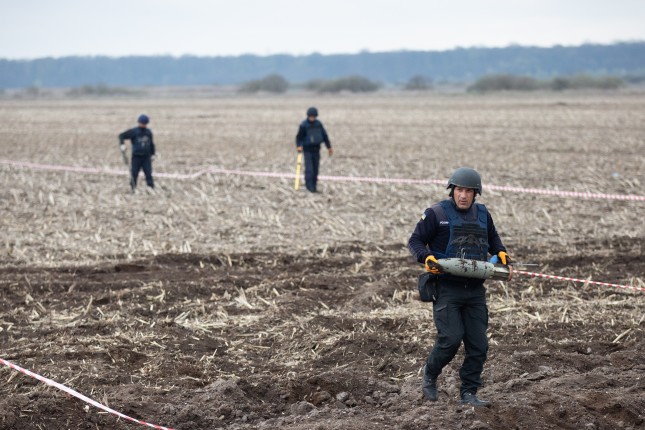
The negative impacts on global food security wrought by Russia’s war in Ukraine are obvious. But recent news that Russia currently occupies more than one fifth of Ukrainian farmland, draws attention to another dimension of this politically-induced food and agricultural crisis: land itself. Of course, territory has long been an object of conflict and warfare. But agricultural land—in particular—is also a key, though understated, dimension of the geopolitical ambitions undergirding Russian activity at home and abroad.
-
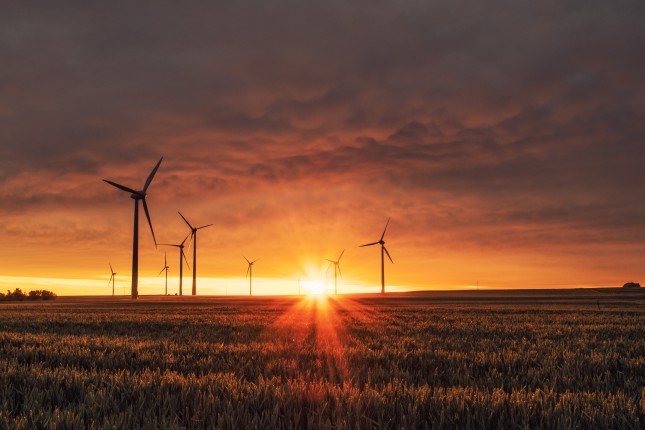
Climate Solutions from the Ground Up: The Importance of Place-Based Approaches
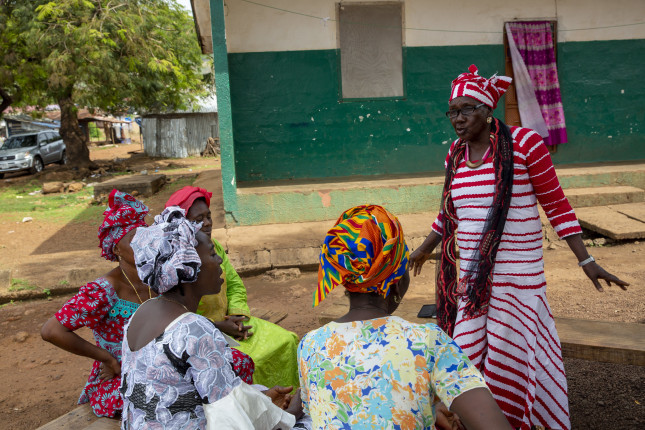
›Meeting the immense impacts of climate change will require strong “top-down” policies to reduce emissions and remove carbon from the atmosphere, as well as building resilience in the face of climate stresses and shocks. As communities and governments undertake rapid and fundamental transformation of sectors and systems—energy, transportation, buildings and even green spaces—the need for governments to develop strategies that drive innovation and technological solutions becomes more urgent and essential.
-
Creating an Environment of Peace Means Avoiding Backdraft
›The much-needed transition to a zero carbon, green economy offers opportunities to contribute to peace, but only if the conflict risks of transition are understood and managed to produce a just and peaceful transition. That means minimizing “backdraft”—the unintended negative impacts of transition that are a key obstacle to that goal.
-
Turning Power on its Head: A Meaningful Shift Toward Localization
›Of COVID-19’s many lessons, one is most critical to our collective next steps:
Business as usual in global health is no longer possible.
The pandemic exposed weaknesses in health systems across the world, and particularly in the delivery of equitable, high-quality reproductive, maternal, newborn, adolescent, and child health (RMNCAH) services. It also reinforced that effectively addressing these challenges requires rapid, responsive approaches driven and owned by countries and local institutions.
-
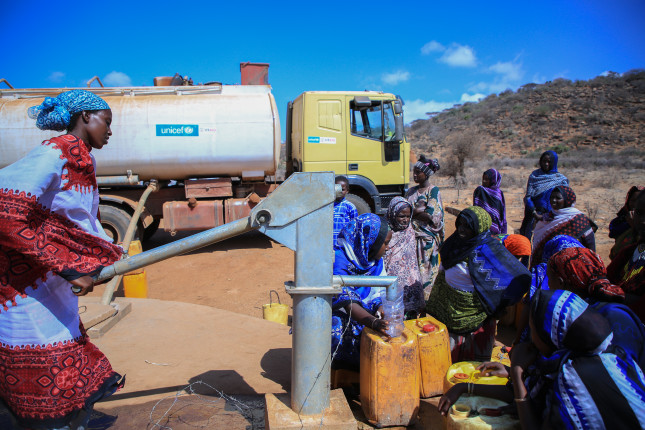
Beyond a “Threat Multiplier”: Exploring Links Between Climate Change and Security
›Ever since the CNA’s Military Advisory Board—composed of former U.S. military personnel—named climate change as a “threat multiplier” in a 2007 report, the term has gained widespread currency both in environmental and national security circles. It also has propelled the need to assess and address climate-related security risks higher up overall policy agendas.
-
Climate Finance: Can Integrity and Transparency Prevent Environmental Catastrophe?
›Earlier this year, the IPPC published yet another report underscoring the fact that rapid climate action is needed to limit global warming and avoid further irreversible, devasting environmental impacts. Over the next decade, the report calls for urgent, unprecedented social and economic transitions to reduce emissions and enable climate resilient development for vulnerable people.
-
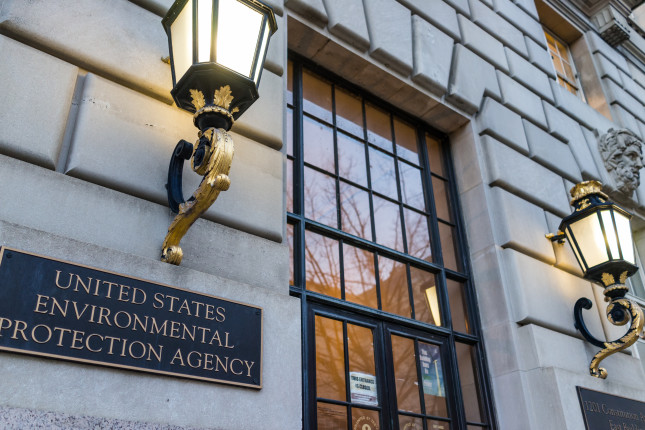
Delaying the Inevitable? The Uncertain Future of the EPA’s Online Archive
›In February 2022, the Environmental Protection Agency (EPA) announced its plans to shutter its online archive—a key resource on the work of the agency that is relied upon by researchers, legislators, policymakers, and citizens for work on everything “from historical research to democratic oversight.” Pulling the plug would instantly have made public access to a vast array of fact sheets, environmental reports, policy changes, and regulatory actions significantly more difficult.
Showing posts from category Guest Contributor.