-
Militaries, Metals, and Mining
›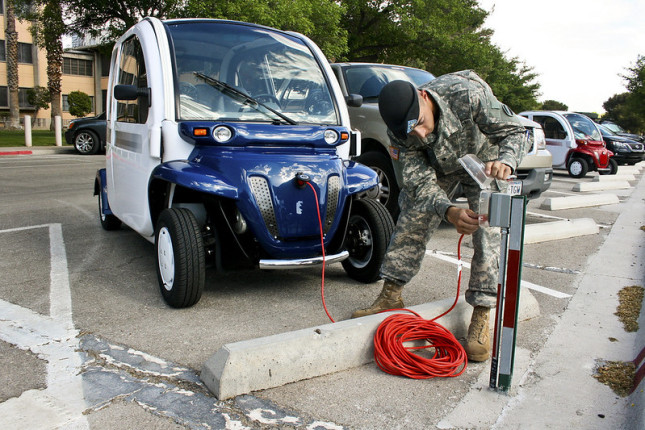
In the early 1960s, Soviet fulfillment officers at the Berezniki and Zaporozh’ye ilmenite mines must have noticed an uptick in worldwide demand for titanium. Orders for titanium sponge were increasing around the globe, and the Soviet Union reacted by increasing production rapidly.
Yet some of these deliveries resulting from this boost in production were not reaching their intended customers. In fact, some of their customers didn’t even exist. Little did the Soviet producers know that it was actually the CIA on the receiving end of these shipments.
-
A Warmer, Wetter Climate Challenges a Chinese Eco-farm
›China Environment Forum // Cool Agriculture // Guest Contributor // April 14, 2023 // By Jiang Mengnan
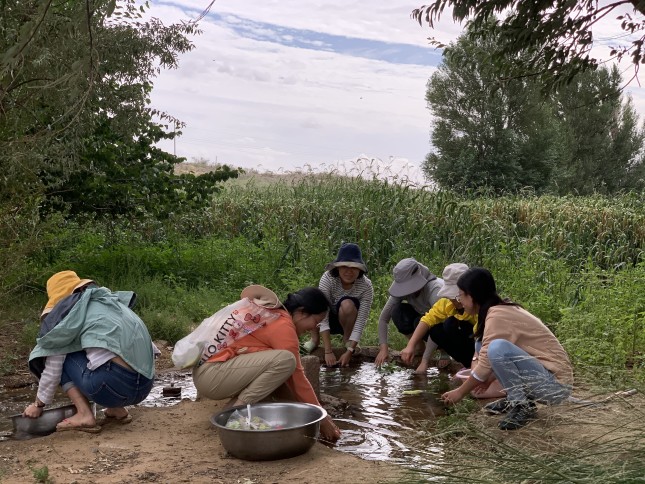
In recent years, a new narrative has appeared on Chinese social media: that a warmer and wetter climate in Northwest China will herald a return to the “golden age” of the Tang dynasty (618–907 AD).
Climate change will bring benefits, so the story goes, as historically China has flourished during warmer and wetter periods – conditions becoming common once more in the Northwest, a region extending from the province of Shaanxi to Xinjiang in the far west.
-
Climate and Coastal Adaptation: The Need for Urgent Planning
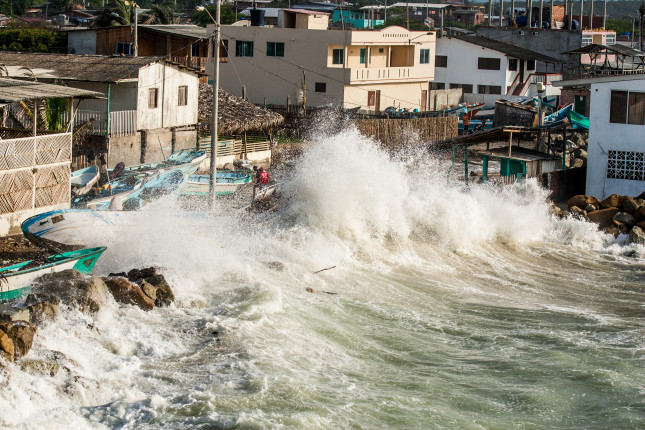
›The latest report from the UN’s Intergovernmental Panel on Climate Change highlights the small window of opportunity available to achieve climate resilient development, despite the growing risks of reaching tipping points. Environmental advocates argue that the UN’s warnings should remain front-and-center, including those that highlight worsening climate trends already experienced by developing nations.
-
Shaken to The Core: The Plight of Syrian Refugees After February’s Earthquake
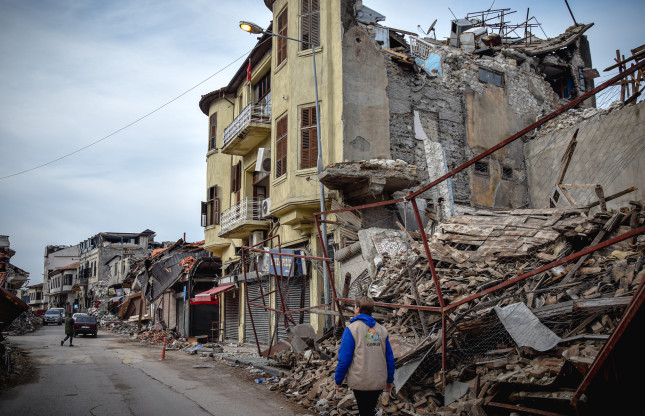
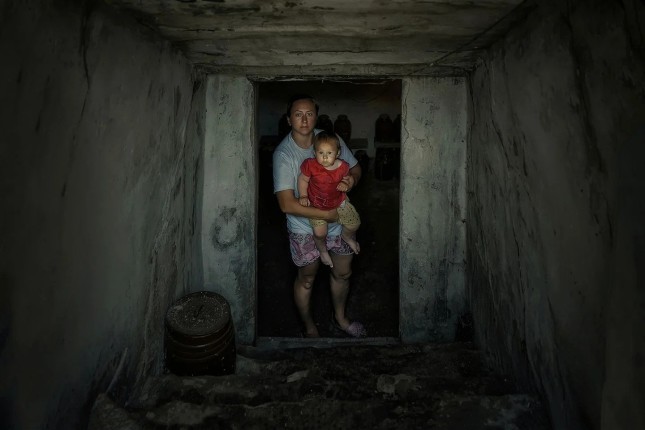
›Madiha vaguely remembers her family fleeing war-torn Syria. But even a decade later, she still bursts into tears describing their midnight escape across the border to Turkey. She and her family were forced to flee after losing family members in a civil war in which they had no stake.
Little did Madiha—who is now 11 years old—and her family know they would experience another monumental trauma a decade later. This time, it was a 7.8 magnitude earthquake that rocked large swaths of southern Turkey on early February 6, 2023.
The roof they built with their own hands collapsed over their heads, killing several of Madiha’s nieces and siblings. “A large piece of brick fell on my mother’s leg, but she luckily survived,” she said tearfully.
-
What Will Change at the World Bank Mean for Climate Policy?
›World Bank President David Malpass announced his resignation in mid-February 2023, and will step down by June 2023—about a year before finishing his five-year term. As several public officials indicated after the announcement, the climate legacy Malpass leaves behind is lacking. Indeed, the Bank itself has also been under scrutiny with recent calls for reform on climate finance.
The Biden Administration quickly announced Ajay Banga as their nominee in mid-February. If confirmed, Banga will step into this role in a high-profile moment, and his own stance on climate issues is already under close examination.
-
Women and Art at a Time of War: Acknowledging Ukrainian Women
›“War is central to history. History has been written (and painted) by men. This exhibition provides a platform for women narrators of history and also examines gendered perspectives of war,” said art curator Monika Fabijanska, referring to the exhibit “Women at War” she recently put together, which was on display at the Stanford in Washington Art Gallery from January through March 2023.
-
USAID’s Revised Water and Conflict Toolkit
›Links between water and conflict seem to crop up everywhere one looks these days. The Horn of Africa will soon face a sixth consecutive failed rainy season in 2023—its worst drought on record. Not only is this drought a consequence of global climate change, but it has also led to widespread food shortages and local civil conflicts. And over the past year in Ukraine, Russian troops have directly damaged that nation’s already vulnerable water systems, including pipelines, pumping stations, and treatment facilities. These repeated attacks on water infrastructure have not only undermined local livelihoods in Ukraine, but they have also polluted surface waters and threatened biodiversity.
-
The UN Water Conference and Latin American Transboundary Waters: A Case for Better Governance
›In recent decades, the international system has undergone profound changes—especially in terms of the types of threats that destabilize international peace and security. As new threats emerge, a focus on new dimensions of the concept of security is now reaching the top of the international agenda. In this context, the global freshwater crisis is beginning to be perceived as an existential threat to states requiring extraordinary measures to alleviate or solve the problem.
Showing posts from category Guest Contributor.