-
China’s Silent Greening
›China Environment Forum // Cool Agriculture // Guest Contributor // May 18, 2023 // By Rodrigo Bellezoni, Peng Ren & Zhao Zhong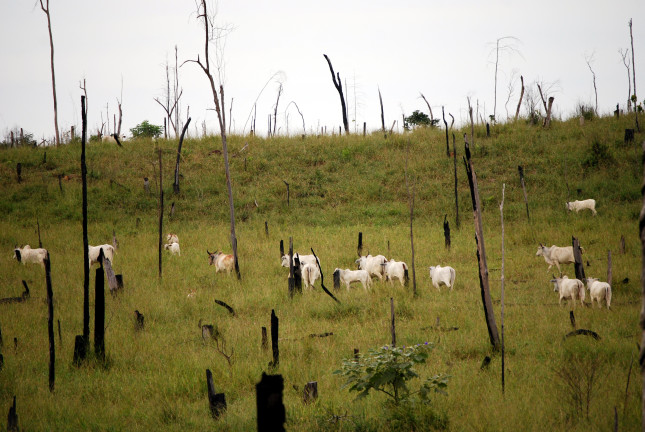
China is Brazil’s main trading partner and accounts for over a quarter of all Brazilian exports. Yet two of the largest products in this trading relationship—beef and soybeans—are also crops that drive deforestation in the Amazon. Brazil’s deforestation rates declined substantially between 2004 and 2012, but forest clearage needed to raise cattle reversed the trend: The Amazon lost 10,476 square kilometers of rainforest in 2021, the highest total in the decade.
-
Why We Must Include Pregnant People in Clinical Trials: The Case of the COVID-19 Vaccine
›
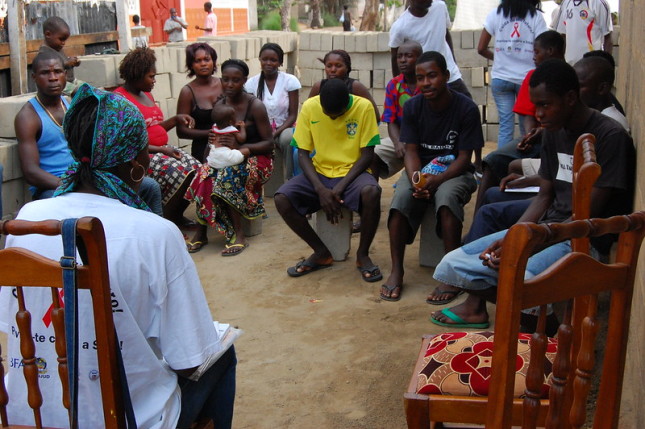
Of the more than 4 million pregnant people in the United States annually, 90 percent report taking at least one medicine during pregnancy, and about 50 percent receive the influenza or tetanus toxoid/reduced diphtheria toxoid/acellular pertussis (Tdap) vaccines. Yet 69 percent of clinical trials conducted in the United States explicitly exclude enrollment of pregnant people.
-
Critical Mineral Recycling: What Does It Offer?
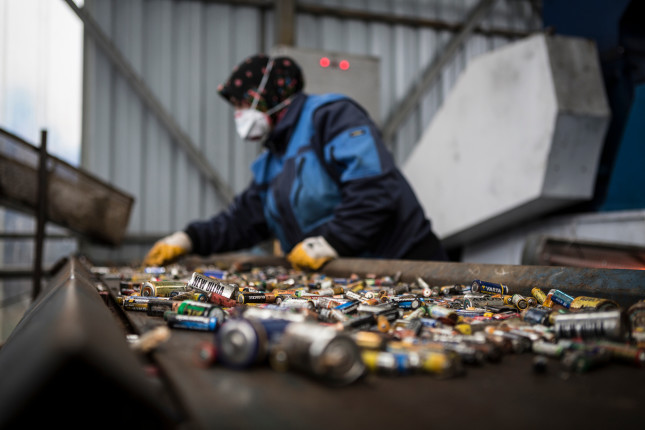
›The technology that is an essential part of clean energy and the future economy relies heavily on critical minerals. Electric vehicles (EVs), computers, wind turbines, and even defense technology require large mineral inputs, raising concerns over the stability of supply chains and the ability to meet growing demand. An IEA report published in 2021 predicts that demand for critical minerals will escalate over the next two decades, with increases of “40 percent for copper and rare earth elements, 60 to 70 percent for nickel and cobalt, and almost 90 percent for lithium.”
-
Carbon and Hydrogen in Meeting Climate Goals: Framing Matters
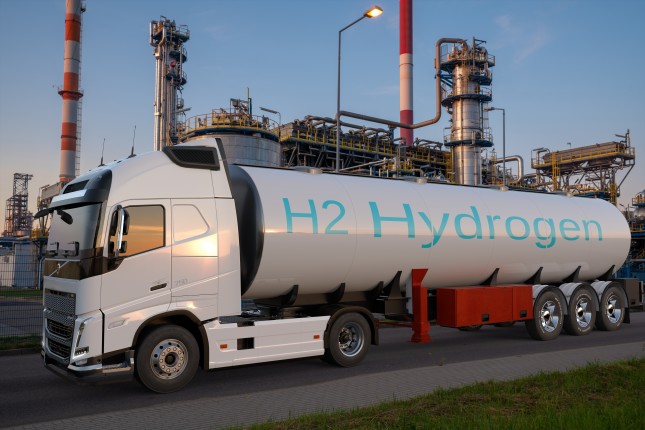
›As international cooperation to mitigate climate change gathers pace, most European nations have adopted strategies to decarbonize their economies. It is a signal that these countries recognize the need to reduce the concentration of carbon dioxide in the atmosphere in order to limit global warming to 1.5 degrees Celsius above pre-industrial levels.
-
Russia’s War in Ukraine: Green Policies in a New Energy Geopolitics
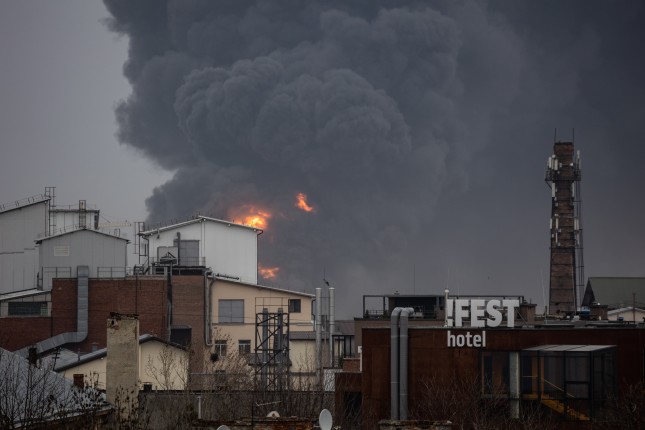
›Russia’s brutal aggression has wreaked devastation in Ukraine for more than a year. It has also forced a fundamental rethink of geopolitics. Central to that new thinking is the role of energy security and how to manage the insecurities created by the lopsided dependencies exposed by the conflict.
-
What’s Next in Climate Security Studies? Exploiting Synergies Between Practice and Research
›The increase in global temperatures by over 1 degree Celsius since preindustrial times is already having broad and significant impacts. An ongoing multi-year drought in Eastern Africa, for instance, has been attributed to global warming. Hunger crises, displacement, and exacerbated conflict between pastoralist groups are some of the reported dire consequences.
-
Integrated Health Security Depends on Primary Health Care—and Engaging Men
›USAID’s primary health care (PHC) partnership—which was announced in late 2022—brings new momentum to a long-neglected reality: Robust PHC is necessary for robust global health security (GHS). But it has taken some time to fully recognize this fact.
-
Intersecting Challenges Require Multisectoral Solutions: A Conversation with Charles Kabiswa
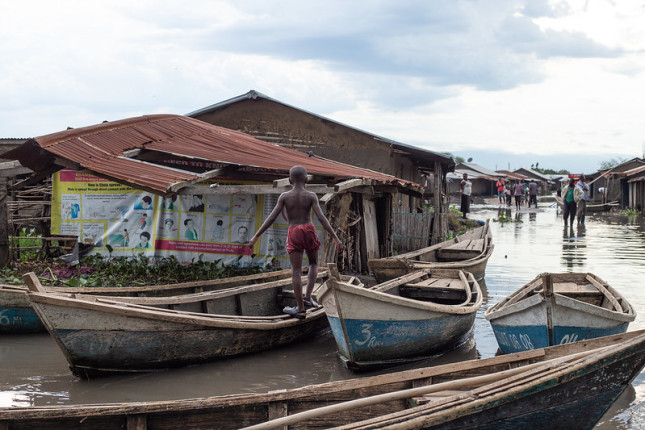
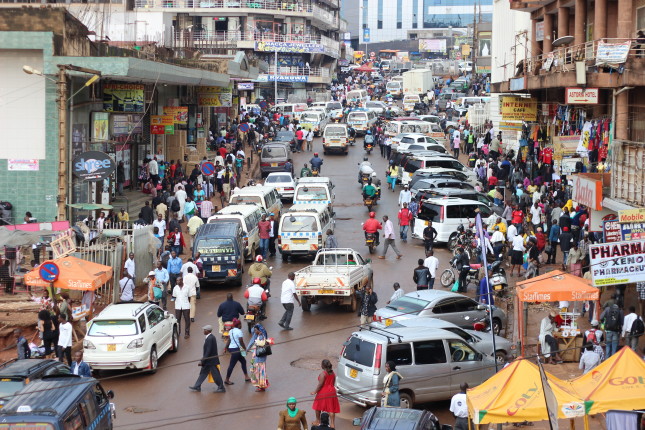
›The impacts of a changing climate touch every region of the globe, but they are acutely felt by people in Uganda, where floods, droughts, and shifting rainfall patterns disrupt agricultural productivity, livelihoods, and the health and well-being of millions of people. According to the ND-GAIN index, Uganda is the 13th most vulnerable nation in the world, and action there is urgently needed to better prepare for and adapt to climate change’s impacts.
Showing posts from category Guest Contributor.