-
A Tipping Point for Mangrove Restoration and Shrimp Farming in Indonesia
›China Environment Forum // Guest Contributor // Vulnerable Deltas // October 17, 2024 // By Muhibar Sobary Ardan
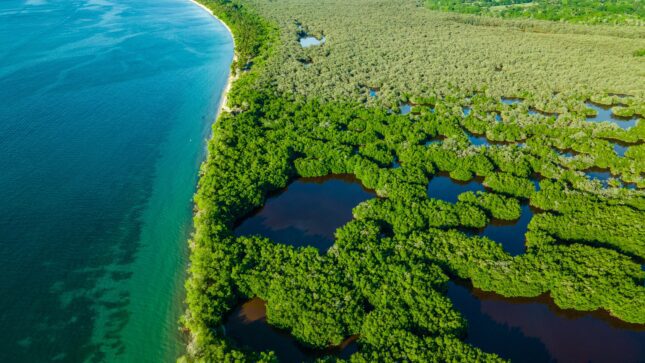
The Mahakam River flows for 900 km from the highlands of central Borneo through thick rainforest before fanning into a lush delta that feeds the Makassar Strait. Once dense with mangroves and palms, the wetland islands protected coastal communities, supported biodiversity and served as a significant carbon sink.
However, in the 1980s, shrimp ponds began replacing the mangroves. By 2020, around half of the delta’s forests were lost due to weak regulatory enforcement and inadequate environmental protection. This large-scale deforestation increased the area’s vulnerability to climate change.
-
The COP16 Opportunity: Bringing Biodiversity and Climate into Alignment?
›
At first glance, the growing alignment of climate and biodiversity challenges in global politics may seem harmless. Indeed, there is a strong argument that it is a much-needed and long overdue development, since addressing these inextricably-connected challenges together may ensure that gains in one area do not lead to costs in the other.
-
Solving Vietnam’s Mangrove Mystery: Mekong Delta Living Lab
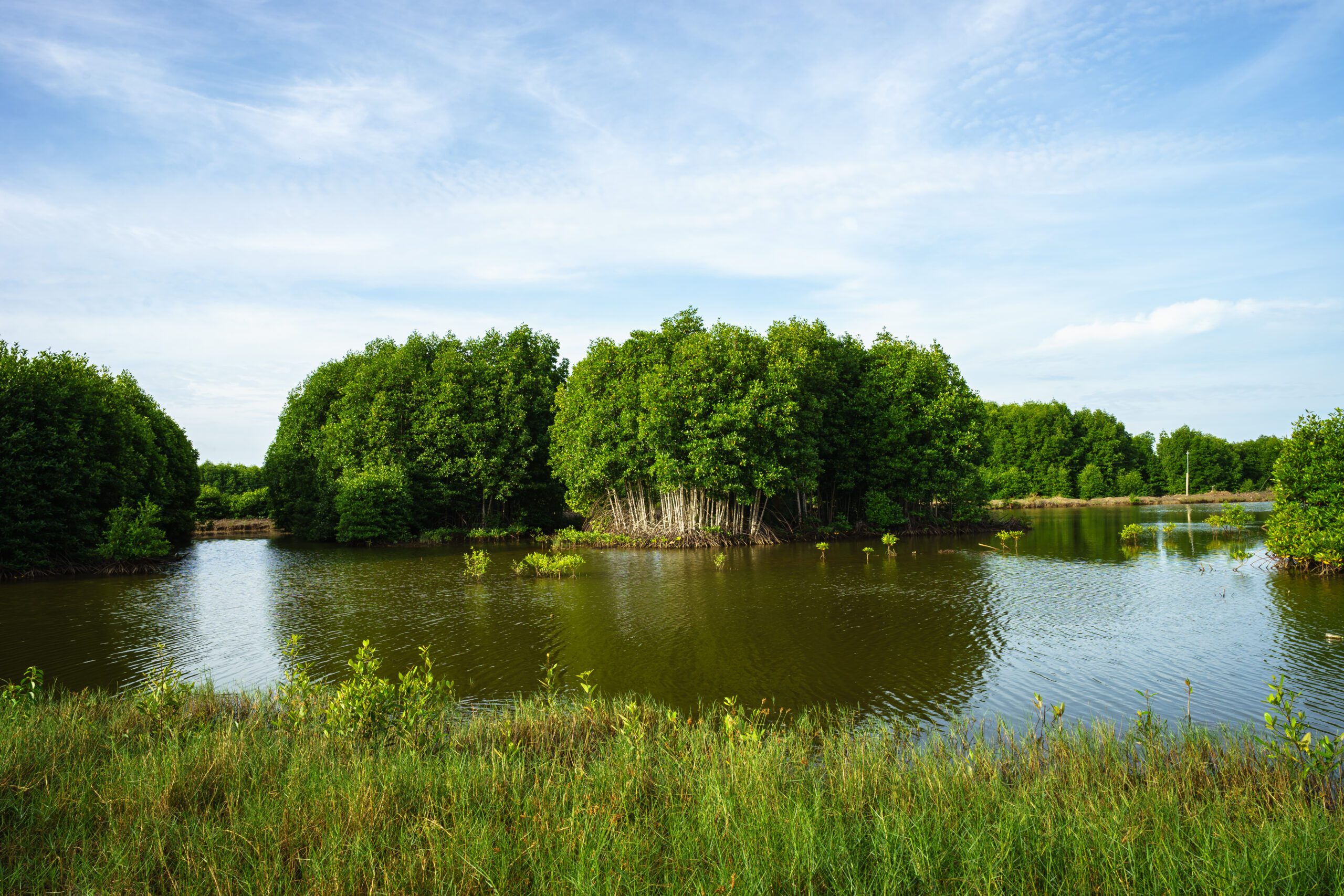
›China Environment Forum // Guest Contributor // Vulnerable Deltas // October 10, 2024 // By Lindsey SchwidderIn spring 2024, I travelled in the Mekong Delta with Vietnamese researchers to investigate the country’s dwindling mangroves.
One day while hiking along the coastline of Bac Liu Province in southern Vietnam, we came across the remains of a once-flourishing mangrove forest now littered by countless concrete blocks. My colleagues noted that the decades-long trend of disappearing mangroves here seemed to be unstoppable.
-
Long Term Climate Resilience: A Pathway to Stabilize Somalia
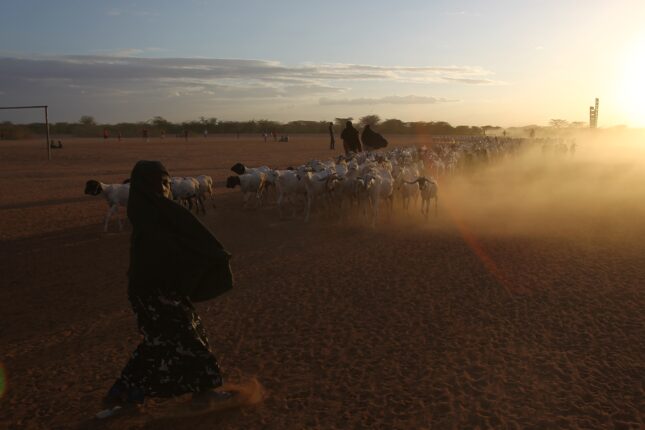
›Somalia is trapped in a cycle where climate impacts—droughts, floods, and erratic weather patterns—fuel displacement, poverty, and conflict. With agriculture and pastoralism at the core of its economy, the country is particularly vulnerable to these environmental shocks, which create fertile ground for insurgent groups to exploit the resulting instability.
-
Can the UPR Advance Global Women’s Rights? Lessons from Sub-Saharan Africa
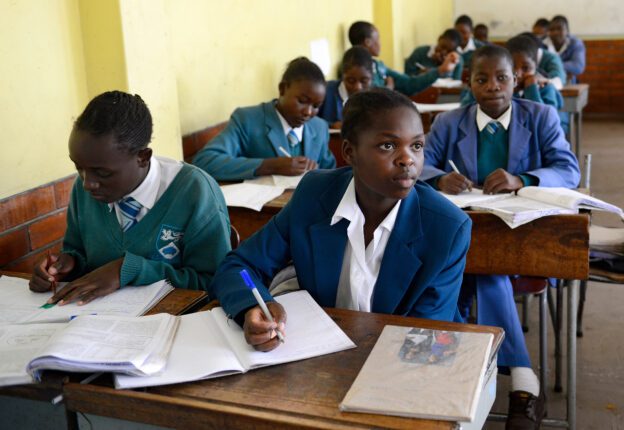
›At the opening of the Commission on the Status of Women in New York this past March, UN Secretary-General António Guterres underscored the importance of stepping up national and global efforts to advance the rights of women. Guterres observed that “many women and girls are also facing a war on their fundamental rights at home and in their communities. Hard-fought progress is being reversed.”
-
Signs and Signals: Exploring How a Novel Foresight Approach Gains Prominence
›A number of highly respected research entities in the US and abroad—including the US National Intelligence Council and the European Union—produce hefty global trends reports. These valuable in-depth guides inform new policies (such as USAID’s just-released Democracy, Development and Human Rights Policy)—or refresh older ones. They focus on the risks, uncertainties, and opportunities that lie ahead for the international development community, and they can provide an empirical basis to shape ongoing and future aid programming.
-
Environmental NGOs as Tools of State Security Policy: A Growing Trend
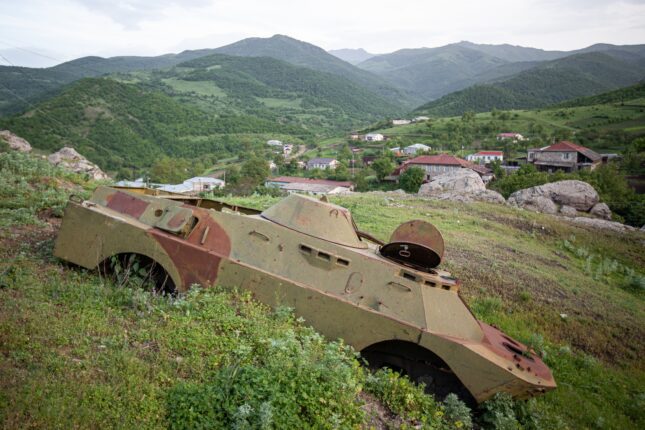
›For a group of self-described environmentalists, the roughly two dozen Azerbaijanis who suddenly assembled along the highway near the Armenian border in late 2022 looked like a pretty atypical lot. None of them appeared to have a background in any kind of green movement. Nor did any of them, clad in largely matching cold weather gear, attempt to explain how they could protest mining operations (their declared raison d’être) without encountering problems in a police state. Indeed, they remained unbothered even as their numbers swelled over the following weeks.
-
Scaling up the Reuse Revolution in the Global South
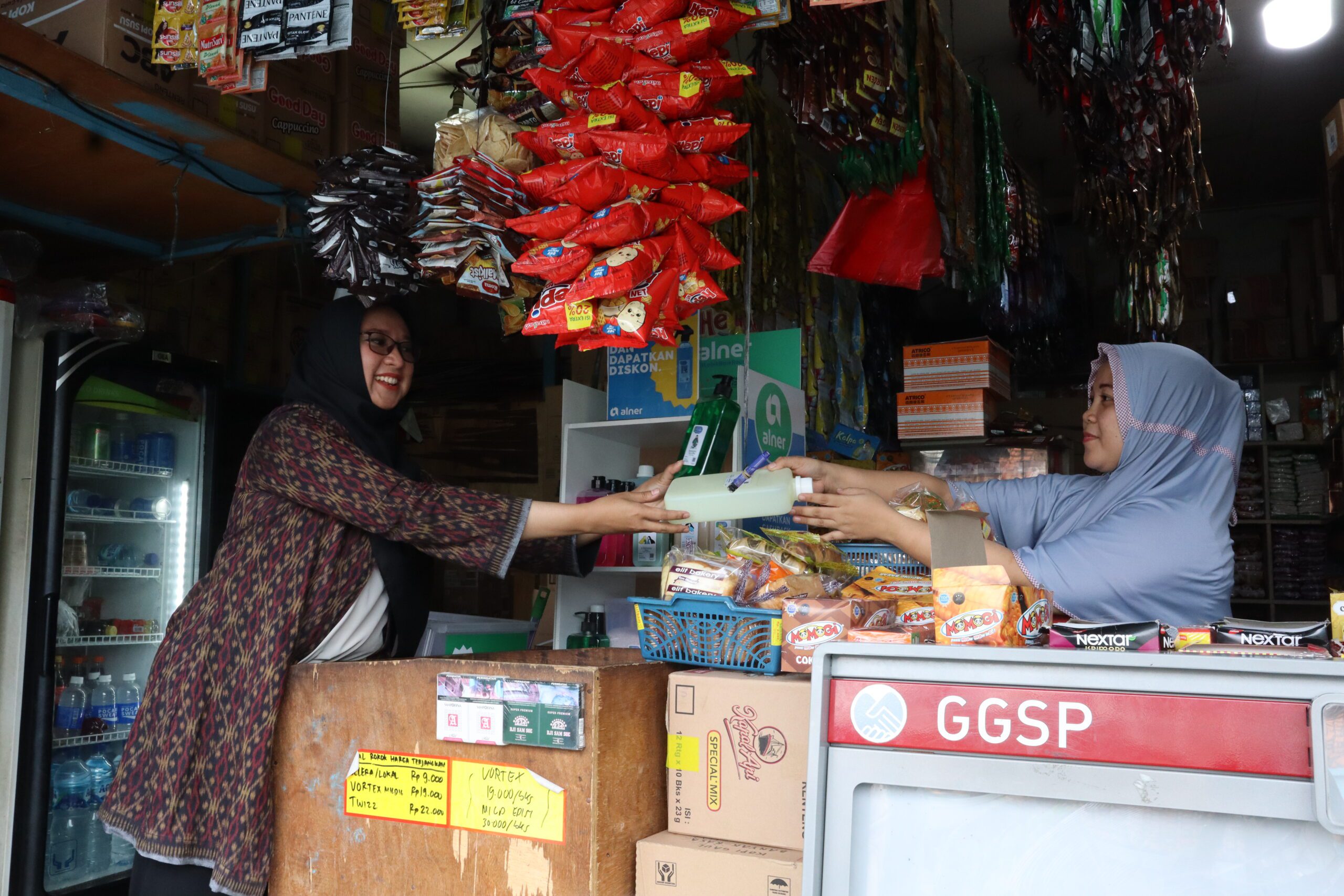
›China Environment Forum // Guest Contributor // Vulnerable Deltas // August 22, 2024 // By Eline Leising & Firda IstaniaIn the last months of 2023, 30 landfills caught fire in Indonesia, highlighting a dangerous health risk and a symptom of the country’s failing waste management system. Most of these landfills are overflowing open dump sites. Moreover, not all waste ends up here, as large amounts — particularly low-value plastics like sachets and pouches — are never collected. Indonesia ranks among the top 10 global plastic polluters. The country generates 7.8 million tons of plastic waste annually, 63% of which is mismanaged. Most of these mismanaged plastics are thrown into rivers, dump sites or burnt by individuals, releasing toxic substances into the air.
Showing posts from category Guest Contributor.