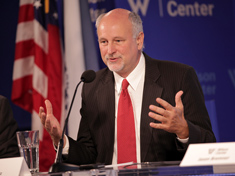
-
Pentagon Sustainability Report, IPCC Synthesis Highlight Climate Challenges and Responses
› The culmination of five years of work by three working groups comprising hundreds of scientists around the world, the Intergovernmental Panel on Climate Change’s Fifth Assessment was released in parts throughout this year. A newly released synthesis presents their findings in one document.
 -
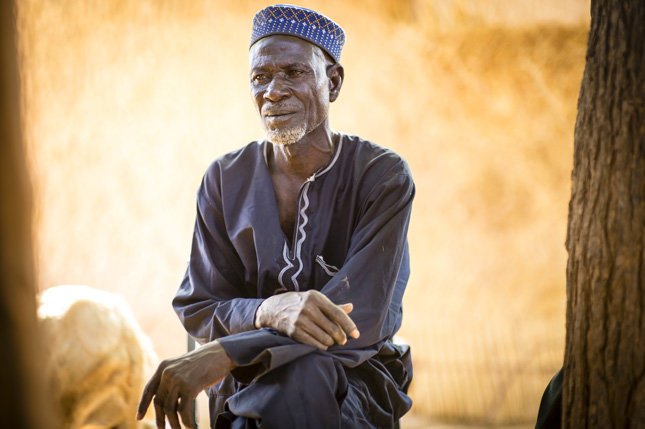
Necessary Partners: The Sahel Shows Why Development and Resilience Efforts Can’t Forget Men
›One-third of boys in the developing world don’t face the risk of marriage and pregnancy before age 18. There are no laws preventing men from owning land or property. Men don’t bear the brunt of increasingly frequent and severe disasters. And men don’t hold fewer than 25 percent of parliamentary seats worldwide.
-
Dividend or Divide? Africa’s Demographic Challenge
›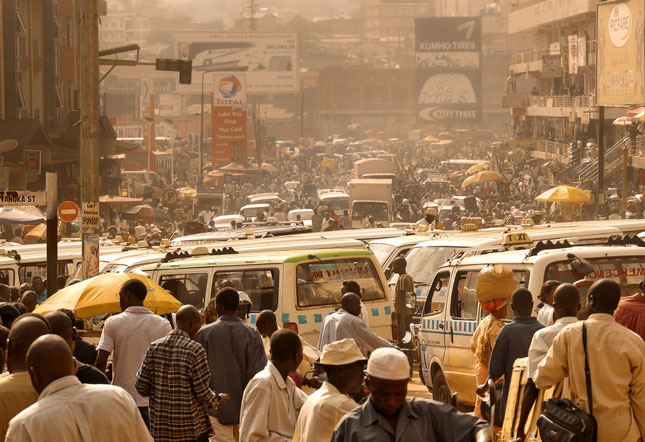
“Sub-Saharan Africa’s young people are in effect the global labor force of the future,” said Jack Goldstone at the Wilson Center on October 15. “Whether they are productive, how large that cohort turns out to be, whether they find work or not, is going to have a bearing, I think, on all of us.” [Video Below]
-
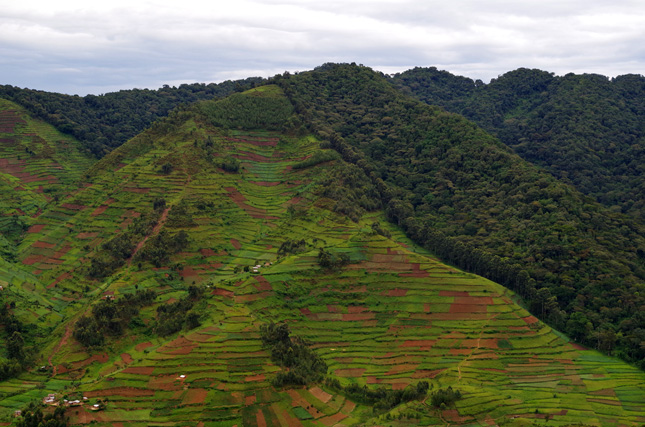
Integrated Development Programs Work to Expand Conservation and Health Efforts in Uganda and Madagascar
›As is becoming clear, climate change, environmental degradation, population, and poverty alleviation are inextricably linked in many parts of the world. [Video Below]
-
Jill Schwartz, World Wildlife Fund
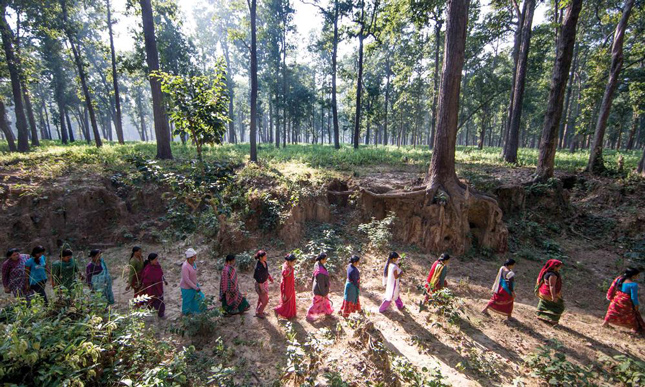
In Nepal, Community Health Workers Take on Conservation Too
›November 12, 2014 // By Wilson Center StaffAt high noon, Devi KC is still deep in the daily chores she started at sunrise: brewing tea and cooking a meal of rice, lentils and spinach for her husband and teenage son; pumping and hauling water from the nearby well; harvesting hay from her field; and sweeping road dirt from her front porch.
-
Earth Pushes Back: Era of Indifference Greets Droughts, Floods, Storms, Tsunamis
›There’s nothing demur about Mother Earth these days. She’s fuming and pushing back hard. Very hard.
-
A New Population Paradigm? Wolfgang Lutz on the “Education Effect”
›
If you want to understand global population dynamics, you have to look past quantity and look at quality, says Wolfgang Lutz, founding director of the Wittgenstein Center for Demography and Global Human Capital, in this week’s podcast.
-
A Reset for International Development? UN Debates What to Include in Sustainable Development Goals
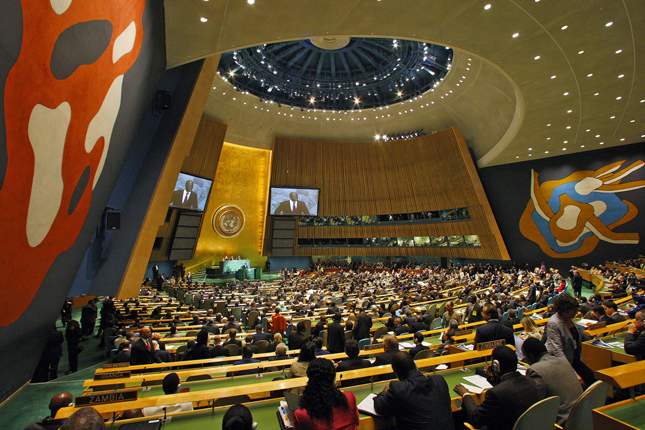
›The 69th UN General Assembly was “an absolutely extraordinary opportunity” to rethink global development, said Genevieve Maricle, a senior policy advisor to the U.S. Ambassador to the UN Social and Economic Council (ECOSOC) who participated in the summit. [Video Below]
Showing posts from category global health.