-
Clean Cookstoves Provide Health, Environmental, and Socioeconomic Benefits, So Why Aren’t They Being Adopted?
›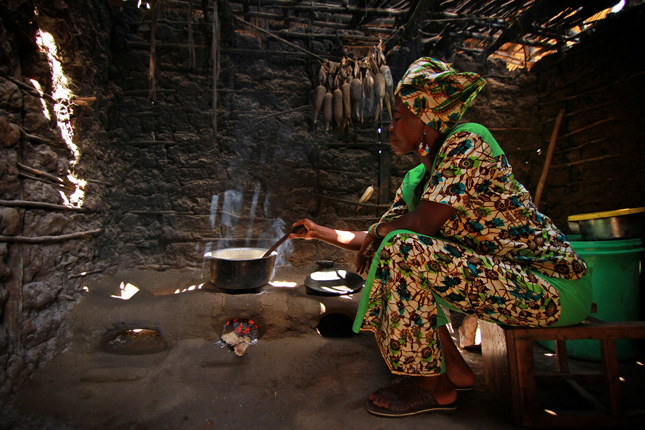
To stop and perhaps one day reverse climate change requires changes big and small. Despite the thousands of power plants burning coal and other fossil fuels today, nearly 3 billion people still depend on solid fuels, such as wood, dung, and crop residues, for their daily energy needs.
-
Mobile Tech Drives Faster Data Collection for Family Planning Indicators With PMA2020
›December 22, 2014 // By Elizabeth Leahy Madsen
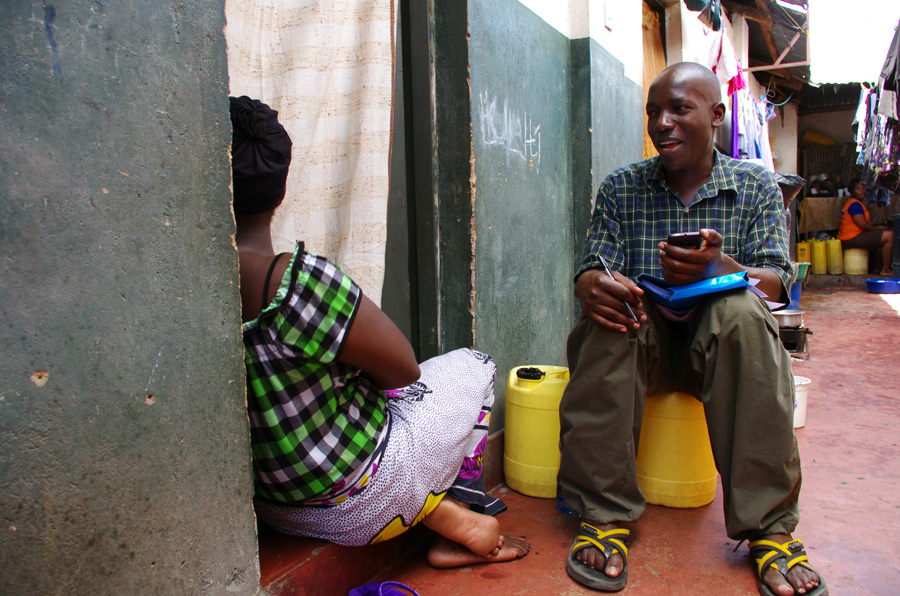
In an effort to revamp the time-intensive process of conducting household surveys to collect health data in developing countries, a new project is using mobile phones and rapid processing techniques to generate regular updates for a tranche of indicators previously only adjusted every three to five years.
-
John Welch: Ebola Creating Slow-Burning Bomb for Maternal Health in Liberia
›“Our responsibility is to call attention to the fact that there’s an invisible crisis happening,” says John Welch of Partners in Health in this week’s podcast. “Ebola is a huge issue for women’s health.”
-
Two Decades Trying to Solve China’s Environmental Problems: An Interview With WWF’s Tao Hu
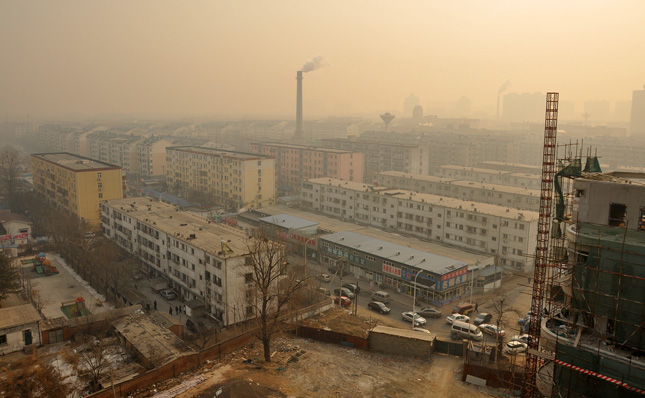
›Despite some critics, the recent U.S.-China agreement over carbon emissions has sparked remarkable optimism in global climate negotiations. It’s also opened the door to new bilateral engagement between the U.S. and Chinese environmental communities on other issues, including China’s massive air pollution problems (16 of the world’s 20 most polluted cities are in China).
-
UNFPA: World’s 1.8 Billion Young People Need to Be More Involved in Development
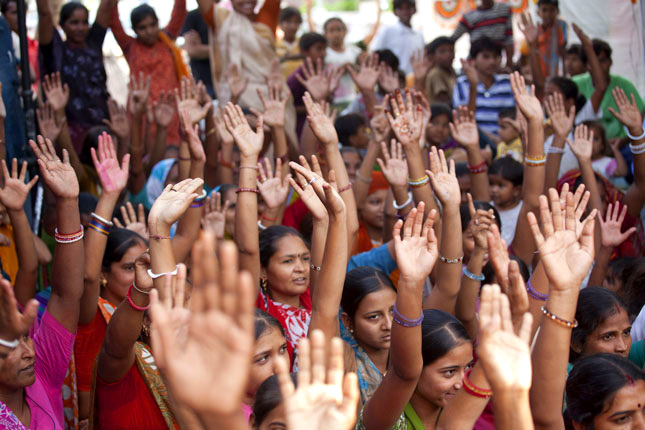
›“A world in which a quarter of humanity is denied full enjoyment of their rights is an unjust world,” said Kate Gilmore, deputy executive director of the United Nations Population Fund (UNFPA). “It’s a world without the building blocks for human progress, for human peace, for human security.” [Video Below]
-
Pakistan’s Most Recent Demographic and Health Survey Reveals Slow Progress
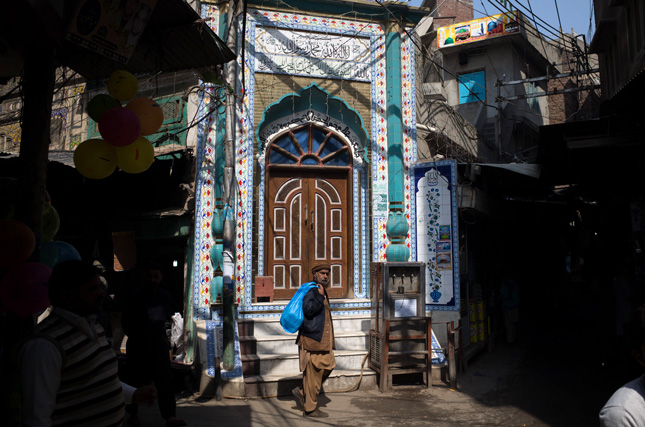
›December 10, 2014 // By Richard CincottaA quick scan through the charts and graphs of Pakistan’s most recent Demographic and Health Survey yields more than a few insights into the performance of the government’s health policies and the public health and demographic challenges it will face in the future.
-
William Butz: Investment in Human Capital, Not Engineering, Central to Climate Resilience
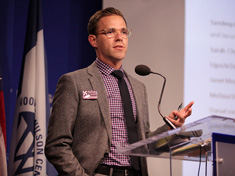
›“How does climate change affect people by age and sex, and where they live?” asks William Butz, director of coordination and outreach at the Wittgenstein Center for Demography and Global Human Capital, in this week’s podcast. “And how to do they respond? How do they adapt or fail to adapt?”
-
New Research Highlights Environmental Impact of Human Numbers While FP2020 Makes Steady Strides
›Global population growth is so rapid that even the most severe crises imaginable would still leave the planet with more people than it can sustainably support, according to a recent study by the University of Adelaide’s Corey Bradshaw and Barry Brook published in the Proceedings of the National Academy of Sciences.
Showing posts from category global health.