• woodrow wilson center
  • ecsp

New Security Beat

Subscribe:
  • rss
  • mail-to
  • Who We Are
  • Topics
    • Population
    • Environment
    • Security
    • Health
    • Development
  • Columns
    • China Environment Forum
    • Choke Point
    • Dot-Mom
    • Friday Podcasts
    • Navigating the Poles
    • Reading Radar
  • Multimedia
    • Water Stories (Podcast Series)
    • Backdraft (Podcast Series)
    • Tracking the Energy Titans (Interactive)
  • Films
    • Water, Conflict, and Peacebuilding (Animated Short)
    • Paving the Way (Ethiopia)
    • Broken Landscape (India)
    • Scaling the Mountain (Nepal)
    • Healthy People, Healthy Environment (Tanzania)
  • Publications
  • Events
  • Contact Us

NewSecurityBeat

The blog of the Wilson Center's Environmental Change and Security Program
Showing posts from category global health.
  • From Ethiopia to Egypt, Girls’ Education Programs Combat Child Marriage

    ›
    Dot-Mom  //  From the Wilson Center  //  July 22, 2013  //  By Swara Salih
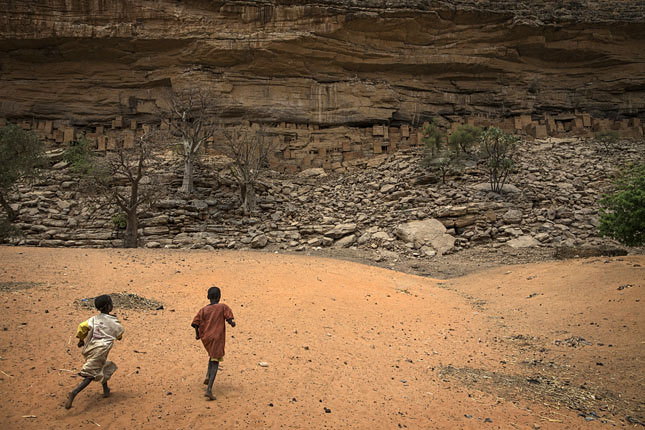
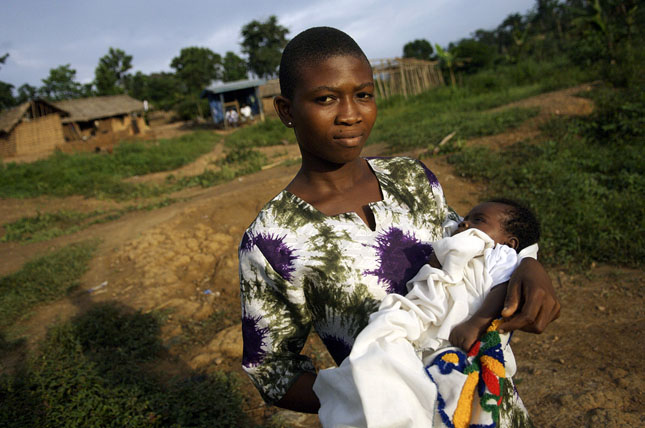
    Child brides in Darfur

    According to the UN Population Fund, more than 140 million girls will become child brides between 2011 and 2020 – an estimated 14.2 million young girls marrying too young every year or 39,000 daily. The majority of these girls do not receive access to education or reproductive health services. [Video Below]

    MORE
  • Reproductive Health Organizations Embrace Cross-Sectoral Partnerships in Africa

    ›
    From the Wilson Center  //  July 18, 2013  //  By Swara Salih
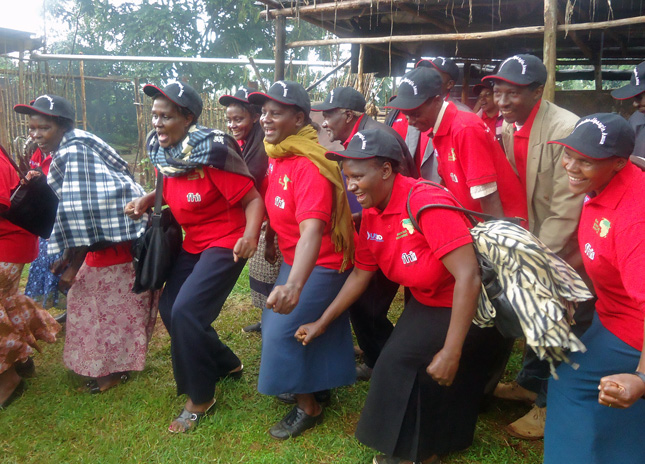
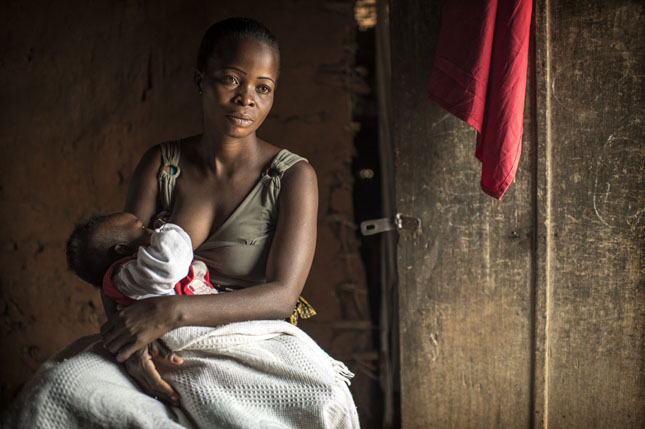
    Kenyan mother and child

    “The places in the world where the environment is most fragile, women’s health is most fragile,” said Leila Darabi, director of global communications for the Planned Parenthood Federation of America, at the Wilson Center. “The negative impacts on the environment tend to affect women the most. Women are the people who are planting kitchen gardens, women are traditional healers, and so they often feel the impact first when those things are degraded.”

    MORE
  • Reviewing USAID’s Global Health Activities, and the Status of Malnutrition Worldwide

    ›
    Reading Radar  //  July 17, 2013  //  By Jacob Glass

    USAID-Annual-Report-CoverUSAID’s annual report to Congress on its global health programs breaks down the broad array of initiatives carried out each year “from the American people” to prevent child and maternal deaths, provide safe access to water, combat infectious disease, and deliver HIV/AIDS relief, among other priorities. Maternal and child health are of particular focus, with the agency helping to launch the Child Survival Call to Action, London Summit on Family Planning, and U.S. Government Action Plan on Children in Adversity last year. The authors report significant declines in maternal and newborn mortality rates for priority countries and the establishment of “national contraceptive security strategies” in 36 out of 47 USAID-supported countries since 2003. “All of these efforts align under U.S. goals to end extreme poverty and promote peace and prosperity worldwide, which result in improved security at home and better markets for U.S. businesses abroad,” writes Assistant Administrator Dr. Ariel Pablos-Méndez.

    MORE
  • Woman-Centered Maternity Care, Family Planning, and HIV: Principles for Rights-Based Integration

    ›
    Dot-Mom  //  From the Wilson Center  //  July 15, 2013  //  By Jacob Glass
    African-Maternity-Ward

    Despite increases in the availability of maternal health care across Nigeria, maternal mortality rates remain high, averaging 630 per 100,000 live births in 2010, compared to the world average of 210. “This is data we are not proud of,” said Philippa Momah, board director of Nigeria’s White Ribbon Alliance, at the Wilson Center. “We believe that one of the issues is the way health care providers treat our women. This may be causing a 20 percent drop-out rate in the health care system.” [Video Below]

    MORE
  • On World Population Day, ICPD Conference Reminds Us of Population’s Role in Development

    ›
    July 11, 2013  //  By Roger-Mark De Souza
    Nafis Sadik at ICPD Beyond 2014

    “The development agenda is discretionary and the human rights agenda is obligatory,” said Kitty van der Heijden, the ambassador for sustainable development in the Dutch Ministry of Foreign Affairs, on the final day of the ICPD International Conference on Human Rights here in the Netherlands.

    MORE
  • It’s Not (Just) About the Numbers: Resource Media’s Population-Environment Webinar

    ›
    On the Beat  //  July 10, 2013  //  By Schuyler Null

    “Unless something changes in a major way, Nigeria will pass the United States as the third most populous country by mid-century and rival China with its number of people by the end of the century,” said Ken Weiss in his introduction to a recent webinar hosted by Resource Media. But what does population growth have to do with the environment?

    MORE
  • Harmony in the Forest: Improving Lives and the Environment in Southeast Asia

    ›
    From the Wilson Center  //  July 3, 2013  //  By Swara Salih
    Coffee farmer in Papua New Guinea participating in the Tree Kangaroo Conservation Project

    How can NGOs and civil society promote environmental protection and improve people’s health and livelihoods in remote tropical forests? Two NGOs with innovative programs in Indonesia and Papua New Guinea spoke at the Wilson Center on May 30 about their efforts to simultaneously tackle these issues and highlight their intricate relationship. 

    MORE
  • Poor Quality of Care Chills Progress in Improving Safe Delivery for Mothers

    ›
    Dot-Mom  //  From the Wilson Center  //  July 2, 2013  //  By Jacob Glass
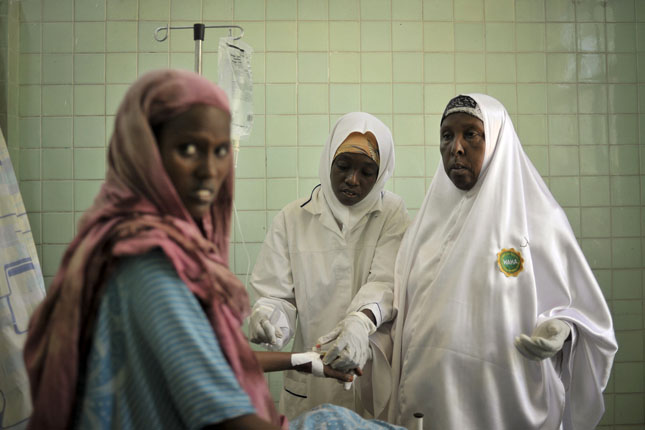
    Darfur refugees

    “Today we have a golden opportunity to use respectful maternal care to break new ground at the intersection of health and human rights,” said Lynn Freedman, director of the Averting Maternal Death and Disability Program and professor of clinical population and family health at Columbia University, at the Wilson Center.

    MORE
Newer Posts   Older Posts
View full site

Join the Conversation

  • RSS
  • subscribe
  • facebook
  • G+
  • twitter
  • iTunes
  • podomatic
  • youtube
Tweets by NewSecurityBeat

Trending Stories

  • unfccclogo1
  • Pop at COP: Population and Family Planning at the UN Climate Negotiations

Featured Media

Backdraft Podcast

play Backdraft
Podcasts

More »

What You're Saying

  • Volunteers,At,The,Lagos,Food,Bank,Initiative,Outreach,To,Ikotun, Pan-African Response to COVID-19: New Forms of Environmental Peacebuilding Emerge
    Rashida Salifu: Great piece 👍🏾 Africa as a continent has suffered this unfortunate pandemic.But it has also...
  • A desert road near Kuqa An Unholy Trinity: Xinjiang’s Unhealthy Relationship With Coal, Water, and the Quest for Development
    Ismail: It is more historically accurate to refer to Xinjiang as East Turkistan.
  • shutterstock_1779654803 Leverage COVID-19 Data Collection Networks for Environmental Peacebuilding
    Carsten Pran: Thanks for reading! It will be interesting to see how society adapts to droves of new information in...

What We’re Reading

  • Rising rates of food instability in Latin America threaten women and Venezuelan migrants
  • Treetop sensors help Indonesia eavesdrop on forests to cut logging
  • 'Seat at the table': Women's land rights seen as key to climate fight
  • A Surprise in Africa: Air Pollution Falls as Economies Rise
  • Himalayan glacier disaster highlights climate change risks
More »
  • woodrow
  • ecsp
  • RSS Feed
  • YouTube
  • Twitter
  • Facebook
  • Home
  • Who We Are
  • Publications
  • Events
  • Wilson Center
  • Contact Us
  • Print Friendly Page

© Copyright 2007-2021. Environmental Change and Security Program.

Woodrow Wilson International Center for Scholars. All rights reserved.

Developed by Vico Rock Media

Environmental Change and Security Program

Woodrow Wilson International Center for Scholars

Ronald Reagan Building and International Trade Center

  • One Woodrow Wilson Plaza
  • 1300 Pennsylvania Ave., NW
  • Washington, DC 20004-3027

T 202-691-4000