-
Pope Francis’ Encyclical Calls for Integrated Development – Just Don’t Say “Reproductive Health”
›
Pope Francis sparked worldwide discussion and jubilation among many green advocates after releasing Laudato Si, the first Papal encyclical to focus directly on the environment. The pontiff touched on everything from pollution and sustainable development, to anthropogenic climate change and water security in his 180-page missive.
-
A State Divided: A Snapshot of India’s Water-Energy Choke Point
›The landscape of the northeastern Indian state of Meghalaya is rapidly changing. What was once a predominately agricultural economy has shifted to coal mining with significant consequences for people and the environment. “Once you extract coal from the land, it’s really hard to go back to an agricultural economy,” says ECSP’s Sean Peoples in an interview with Wilson Center NOW, about the Global Choke Point film, Broken Landscape.
-
‘State of African Resilience’ and a Review of Food Security-Family Planning Programs
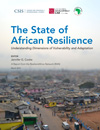
› In their first annual report, the ResilientAfrica Network (RAN), a partnership of 15 African universities, Tulane University, Stanford University, and the Center for Strategic and International Studies, outlines efforts to explore and define multiple “pathways of vulnerability” in sub-Saharan Africa. The report acknowledges that these pathways can be very different from place to place, but by working with African communities more closely, they hope to find new ways to break cycles of chronic crisis. One of the interventions piloted by Stanford was “deliberative polling,” which is based on the premise that communities are more likely to respond to development interventions if they understand the logic behind them and are involved in the process.
 -
Integrated Development Project Adjusts to Burundi’s Presidential Crisis
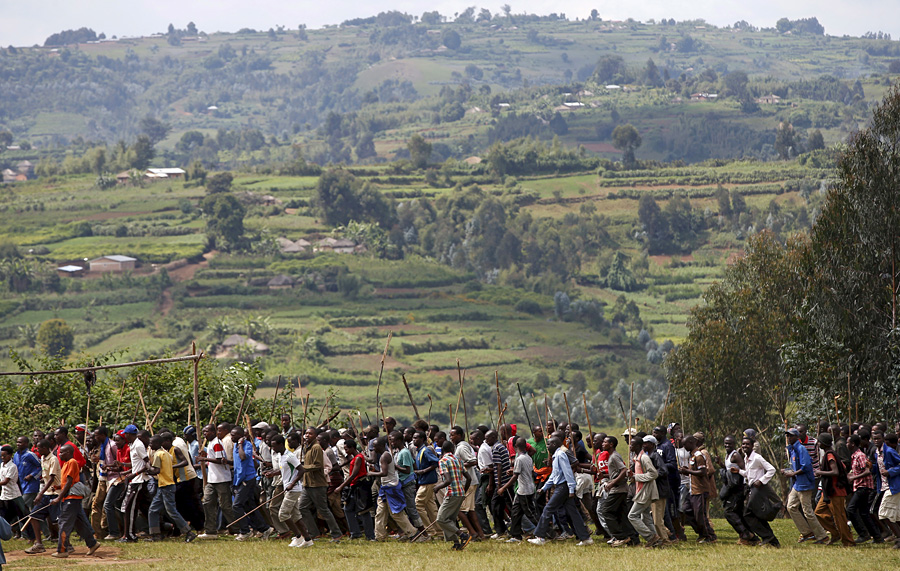
›President Pierre Nkurunziza’s decision to run for a third term in April plunged Burundi into a state of unrest not seen since the end of the country’s civil war in 2005. Refugees are arriving in neighboring Tanzania, Rwanda, and the Democratic Republic of Congo (DRC) in the tens of thousands, raising the possibility that the deteriorating security situation could spill over borders.
-
From One Generation to the Next: New Wilson Center Film Explores Integrated Development in Ethiopia
›June 17, 2015 // By Sean PeoplesOn a warm January afternoon, Tesema Merga, a village elder in Endibir, Ethiopia, surveyed the latest improvements to the long dirt road just outside his house. Eventually this road will be paved, which will bring significant changes to the community.
-
Adapting to Global Change: Climate Displacement, Mega-Disasters, and the Next Generation of Leaders
›The world is more connected than ever before, but also more complex. Big, transnational trends like climate change, urbanization, and migration are changing the calculus of geopolitics, while local-level inequalities persist. “[Change] seems to be spinning around us so fast,” said John Hempelmann, president of the Henry M. Jackson Foundation, which honors the legacy of the late senator from Washington State. How can today’s and tomorrow’s leaders adjust to global trends? [Video Below]
-
Alice Thomas: Climate Change Effects and Responses Profoundly Undermine Human Rights
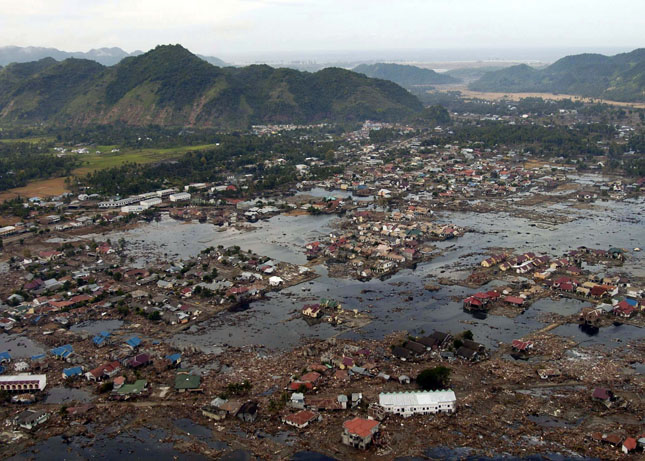
›After Typhoon Haiyan ripped across the Philippines in 2014 leveling nearly every building in sight, 4 million people – mostly poor and from coastal regions – were displaced. In response, the government set up “no build” zones in vulnerable areas and worked to move people to new land. But many of the newly relocated people discovered this land came with no access to water, electricity, or other services.
-
Do Population, Health, and Environment Projects Work? A Review of the Evidence
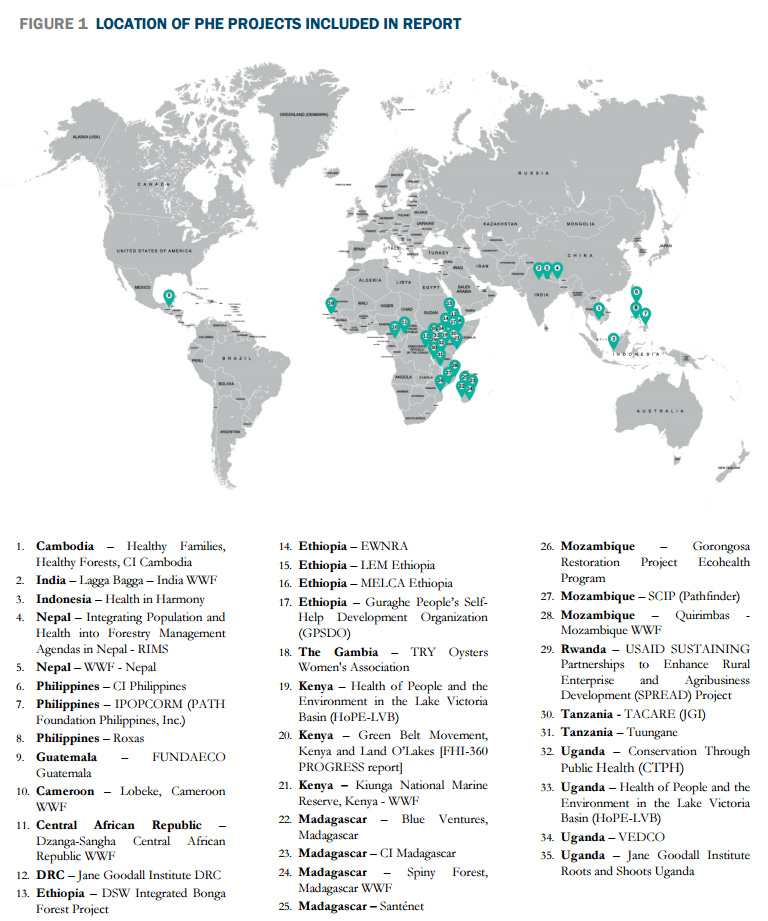
›Frequent readers of New Security Beat are no strangers to the PHE approach to development – projects, often community-based, that integrate population, health, and environmental programming in a single intervention. Practitioners suggest that such integrated programming is more effective and efficient than running simultaneous siloed projects, each focusing on a narrower objective. But does the evidence support this conclusion? How effective is the PHE approach?
Showing posts from category global health.