-
Katie Millar, Maternal Health Task Force
Global Experts Highlight Importance of Midwives to Maternal Health
›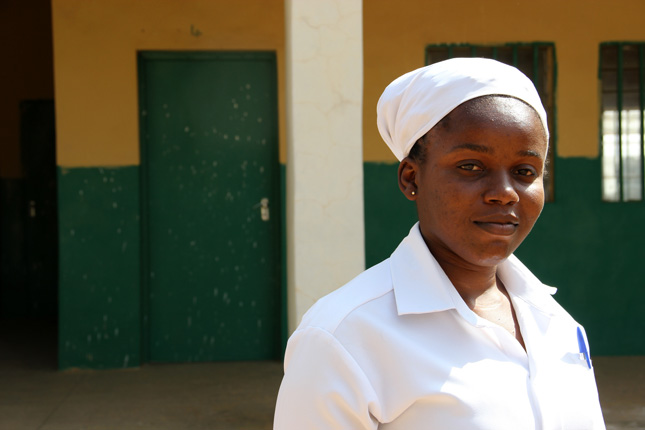
May 5 was the International Day of the Midwife, an opportunity for the global community to come together to recognize the incredible impact midwives have on maternal and newborn health and decreasing mortality. Want to know more about what global leaders are doing to strengthen midwifery?
-
Roger-Mark De Souza Talks Global Population Dynamics on ‘Radio Times’
›
From aging populations in East Asia, Europe, and the United States to youth in sub-Saharan Africa, changing demographics have implications for the entire global community, said Roger-Mark De Souza, director of population, environmental security, and resilience at the Wilson Center in an April 20 interview for WHYY’s Radio Times in Philadelphia.
-
Measuring the SDGs: Investments in Mapping, Geospatial Data Collection Critical to Success
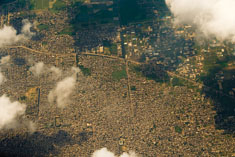
›To ensure no one is left behind by the next generation of global development goals, a comprehensive mix of robust data is needed to measure progress and guide investments. A recent report coordinated by the Sustainable Development Solutions Network estimates the world will need to spend roughly $1 billion a year to sustain and enhance the statistical systems supporting and evaluating progress towards the Sustainable Development Goals (SDGs), the successors to the Millennium Development Goals expected to guide the development agenda for the next 15 years.
-
Barbara Stilwell: Midwives Should be Empowered and Elevated, Not Subsumed by Process
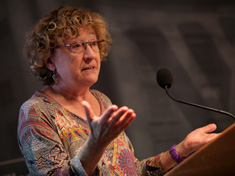
›One of the biggest challenges to improving health care in developing countries is that it’s not necessarily a great job. Midwives and other auxiliary health workers often face very difficult working conditions with little training, poor pay, and no hope of advancement. This can translate to poor results and even abuse of patients.
-
In Kerry’s Quadrennial Diplomacy and Development Review, Climate and Conflict Are Focus
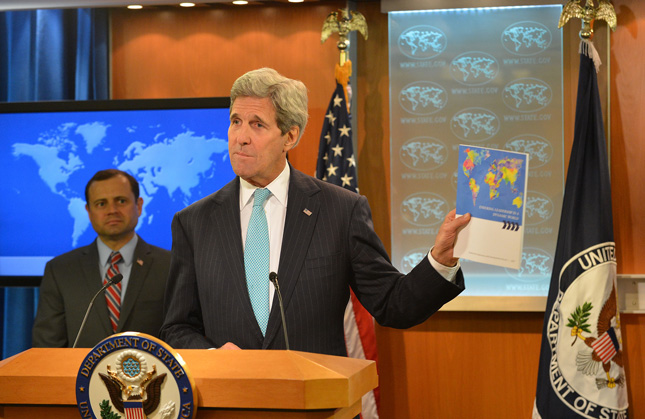
›April 29, 2015 // By Schuyler NullIt’s a bit late, but the second-ever Quadrennial Diplomacy and Development Review (QDDR) is finally here. And it’s a good thing – it’d be a shame if this effort to present a coherent strategic narrative of U.S. diplomacy and development, which was started by Secretary of State Clinton in 2010, petered out.
-
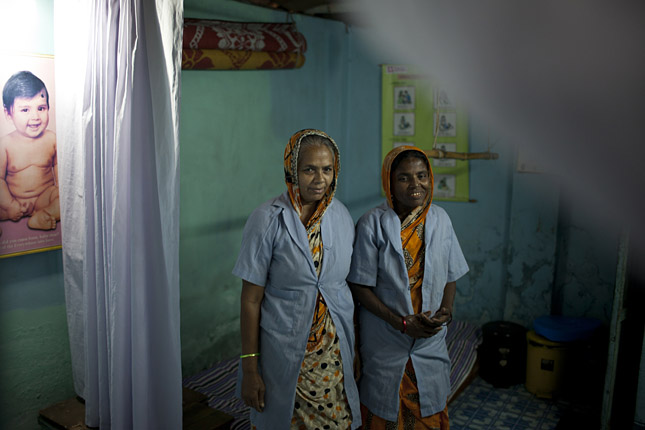
Accounting for 1 in 3 Maternal Deaths, Health Disparities Persist in South Asia
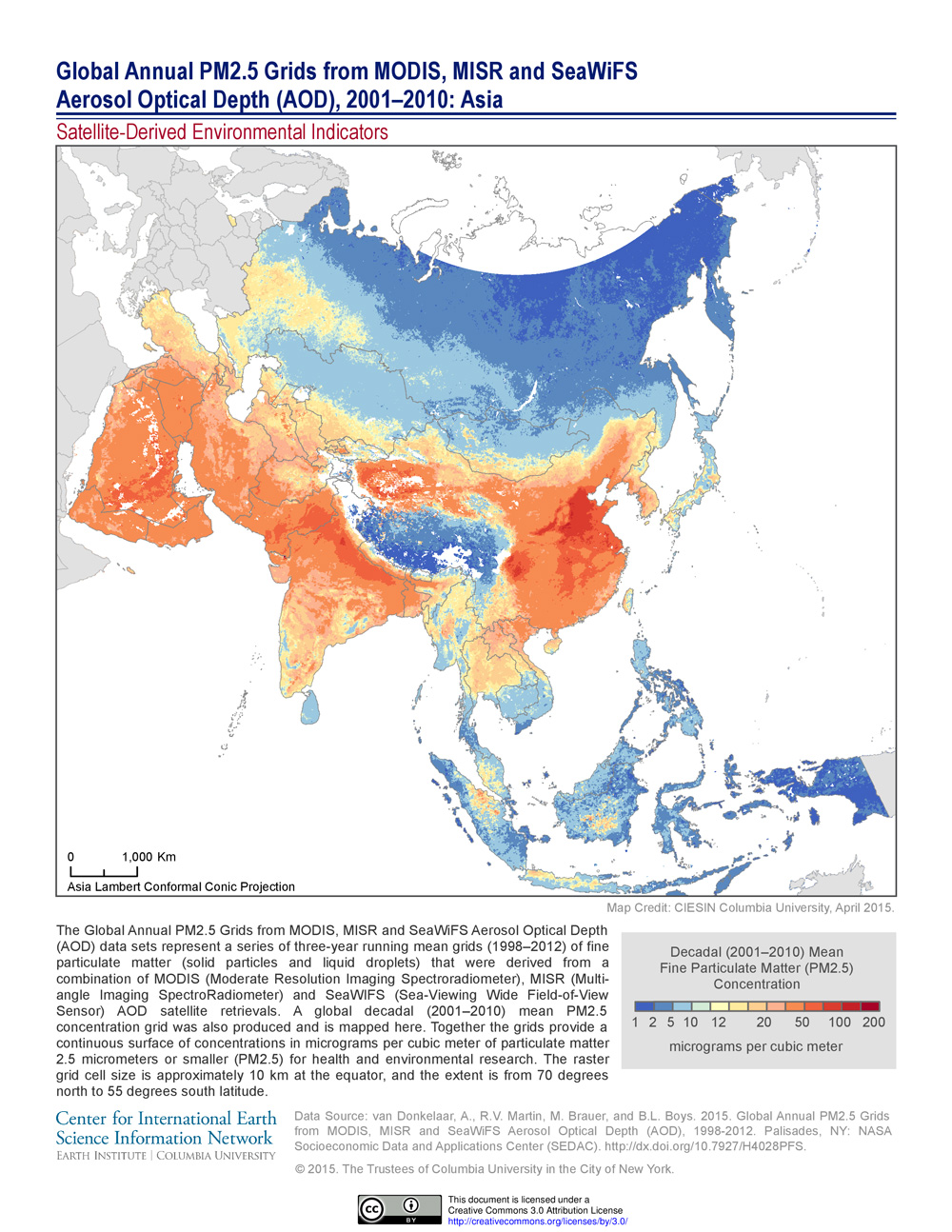
›The state of maternal health in South Asia is difficult to assess. Although rates of maternal mortality are declining between 2 and 2.5 percent a year overall, the region’s massive population – one fifth of the world and over 1 billion people in India alone – means it still accounts for one out of three maternal deaths. [Video Below]
-
Consequential Omissions: How Demography Shapes Development
›If you were on a mission to improve the plight of humankind, no less, would you care about how many people are living, where they are, and how old they are? You probably would, for it would obviously make it easier for you to estimate the challenge you face. However, the international community did not.
-
A Call for More Intention, Consistency, and Foresight in an Interconnected World
›April 22, 2015 // By Roger-Mark De SouzaGlobal trends, from climate change and population dynamics to food, water, and energy scarcity, threaten to complicate global security, diplomatic efforts, and development policy. In the United States we are increasingly responding to these trends, rather than anticipating and planning for them.
Showing posts from category global health.