-
Too Much, Too Soon: Addressing Over-Intervention in Maternity Care
›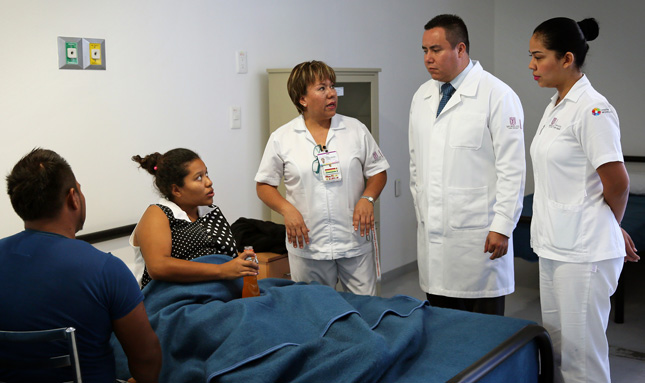
For years, the primary approach to improving global maternal health was additive – to increase capacity to address shortfalls in clinics, doctors, supplies, information, and skilled care. Today, however, some women are experiencing issues related to the opposite problem: too much.
-
A Little Respect: Saraswathi Vedam on Reducing Over-Intervention in Maternal Care Through More Autonomy
› Governments and health organizations have made remarkable gains in reducing maternal mortality and morbidity rates around the world. Much of those gains have been driven by increasing capacity, directing more women to hospitals and clinics to ensure they get modern medical care. Increasingly, however, experts are realizing that this push has brought challenges of its own.
 -
Jessica F. Green & Thomas N. Hale, Duck of Minerva
Why IR Needs the Environment and the Environment Needs IR
›April 13, 2017 // By Wilson Center StaffThe state of the global environment is terrible – and deteriorating. The globalization of industrial production and the consumptive habits of 7 billion people have created the Anthropocene, a geologic age in which the actions of humans are the primary determinant of the Earth’s natural systems. This shift creates a profound new form of environmental interdependence, of which climate change is only the most salient example.
-
What’s in a Label? Lessons on Advancing Global Health Goals From Corporate Green Standards
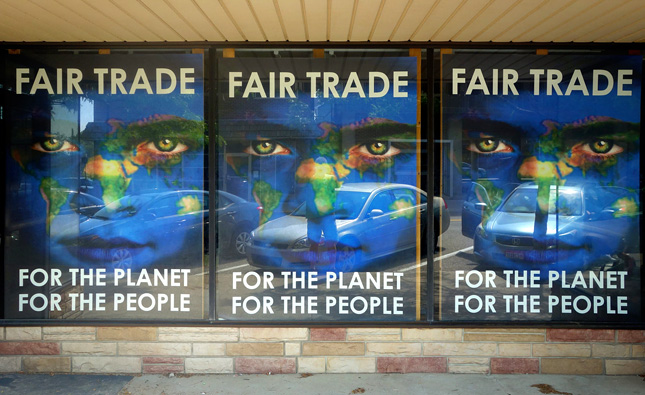
›As you walk through the supermarket, you’ve probably noticed labels like “Rainforest Alliance Certified,” “Fair Trade,” or “Green Seal.” These certifications were created to help consumers use their purchasing power to reward companies that treat workers fairly and limit their harm to the environment. What’s missing is health, particularly women’s health. Too often these standards focus narrowly on occupational safety rather than addressing broader, but relevant, health needs of workers.
-
Samara Ferrara on How Midwifery Can Reduce Unnecessary Surgeries and Save Lives in Mexico
›“Midwives have the knowledge, midwives have the skills, and have the heart and compassion to serve mothers and babies in the most perfect way,” explains Samara Ferrara in this week’s podcast. But they often face demoralizing conditions, poor pay, and in some cases disdain from doctors. -
Midwives’ Voices, Midwives’ Realities: Results From the First Global Midwifery Survey
›“Midwives play a vital role in the health care of mothers and babies,” said Samara Ferrara, a midwife from Mexico, at the Wilson Center on February 27. But in many parts of the world they face a confluence of stressors that make working conditions miserable: low and irregular pay; harassment and disrespect from both patients and doctors; and little supplies, training, or say in the policy dialogue about maternal health.
-
Backdraft #4: Edward Carr on Climate Response, Motivations, and the Value of Ethnographic Research
›Unintended consequences from climate interventions are often the result of not understanding decision-making at a granular enough level, says Edward Carr in this week’s “Backdraft” episode. -
Michael Kimmelman, The New York Times
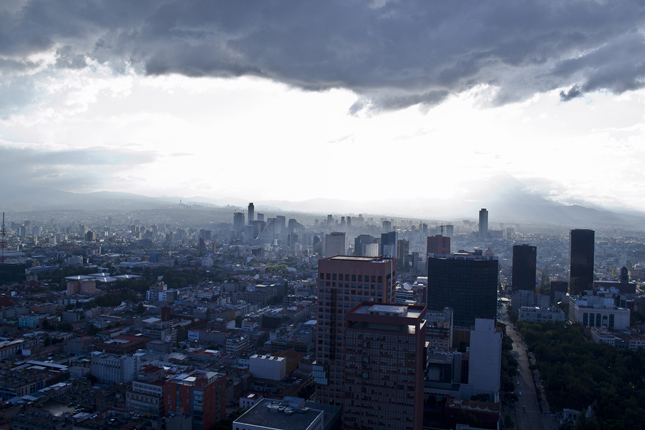
Mexico City, Parched and Sinking, Faces a Water Crisis
›February 20, 2017 // By Wilson Center StaffMEXICO CITY – On bad days, you can smell the stench from a mile away, drifting over a nowhere sprawl of highways and office parks.
Showing posts from category gender.
 Governments and health organizations have made remarkable gains in reducing maternal mortality and morbidity rates around the world. Much of those gains have been driven by increasing capacity, directing more women to hospitals and clinics to ensure they get modern medical care. Increasingly, however, experts are realizing that this push has brought challenges of its own.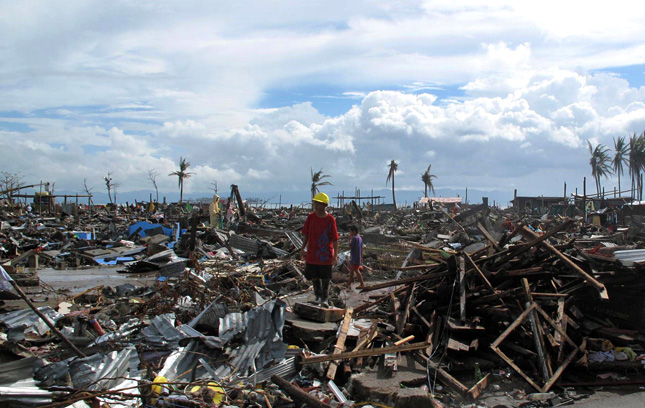
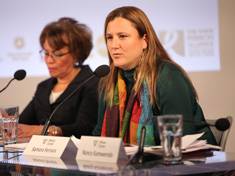 “Midwives have the knowledge, midwives have the skills, and have the heart and compassion to serve mothers and babies in the most perfect way,” explains Samara Ferrara in this week’s podcast. But they often face demoralizing conditions, poor pay, and in some cases disdain from doctors.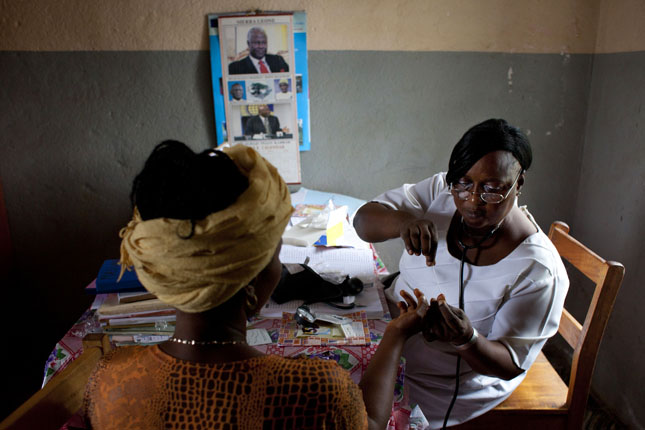
 Unintended consequences from climate interventions are often the result of not understanding decision-making at a granular enough level, says Edward Carr in this week’s “