

-
Saving for a Rainless Day: Microfinancing for Resilience
›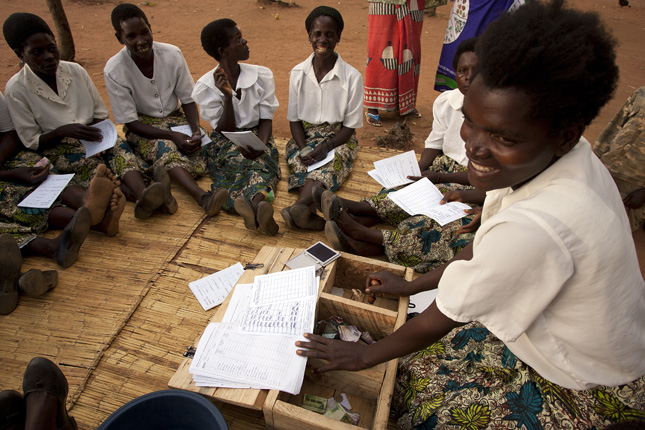
“The sooner you save, the better off you’ll be in life, wherever you live, at whatever age you start,” said Sophie Romana, director of community finance at Oxfam America: “Saving is the key.” Microsavings groups—informal community-based financial pools–can help vulnerable communities build resilience, said representatives from support organizations CARE International, Oxfam America, and the Grameen Foundation at a Wilson Center event on June 29, 2017.
-
The Economic Costs of Child Marriage
›
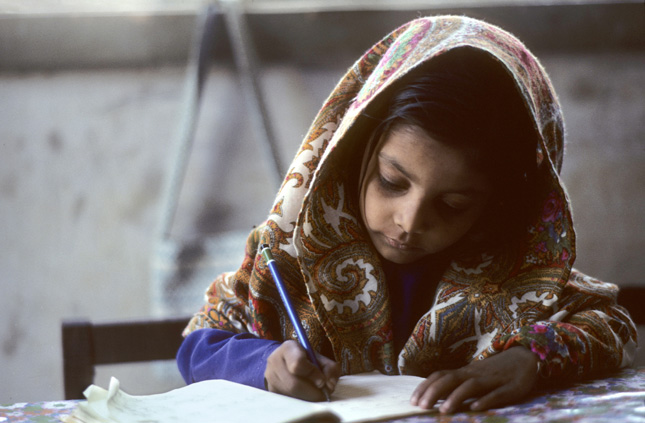
“It’s essentially an issue of a lack of viable alternatives,” said Quentin Wodon, lead economist for the World Bank’s Education Global Practice at a recent event on child marriage at the World Bank. “We have to create those alternatives.” Wodon co-presented the results of a new research study, “At What Cost? The Economic Impacts of Child Marriage,” by the World Bank Group and the International Center for Research on Women (ICRW).
-
Sustainable Development Approaches to Youth and the Demographic Dividend
›“Investing in youth is a recipe for success,” said Elizabeth Dawes Gay, senior policy analyst at the Population Reference Bureau (PRB), during a webinar on June 22, 2017, organized by PRB’s PACE project on the connections between the population, health, environment (PHE) approach to international development, and achieving the demographic dividend.
-
Environmental Sustainability, Does It Make Dollars and Sense?
›While governments will play the central role in delivering the Sustainable Development Goals, they can’t do it without the private sector, said experts at the Wilson Center on April 12.
-
Women’s Leadership for Stability and Security
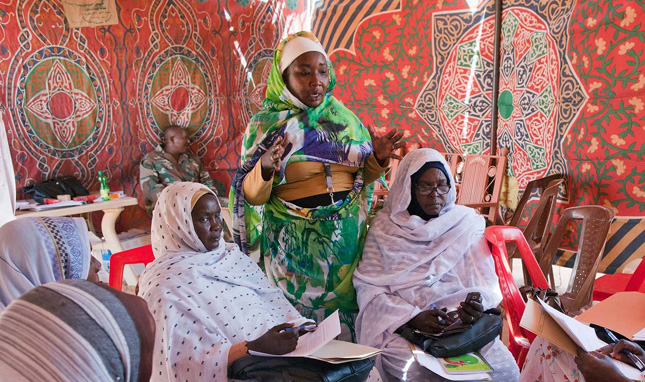
›Why is Malawi, one of the poorest countries in the world, so peaceful? According to the country’s first female president, Joyce Banda, women get the credit: “When women are in charge, when women control the land, when the children belong to the women, when domestic violence is minimum, then you find more tranquility and peace,” said Banda, now a Wilson Center Distinguished Fellow, at an April 25th event co-sponsored by the Wilson Center’s Women in Public Service Project and Plan International USA.
-
Top 5 Posts for May 2017
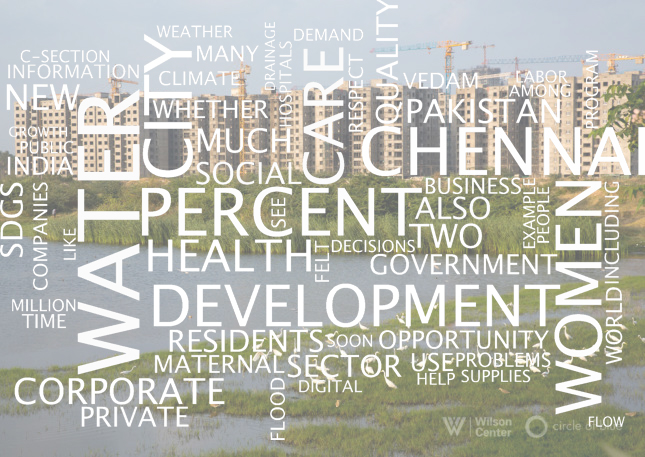
›Our nine-part “Choke Point: Tamil Nadu” series with Circle of Blue has been a must-read on the conflicting demands for water, food, and energy in the South Indian state. In May’s most popular post, S. Gopikrishna Warrier introduces us to Chennai’s tech-savvy social entrepreneurs, who are providing the city’s residents with real-time information on the risk of flooding. (The ninth and final post in the series was published yesterday; catch up on all of them at “Choke Point: Tamil Nadu”).
-
Dr. Babatunde Osotimehin, An Inspirational and Aspirational Leader for Today’s Youth, Has Passed
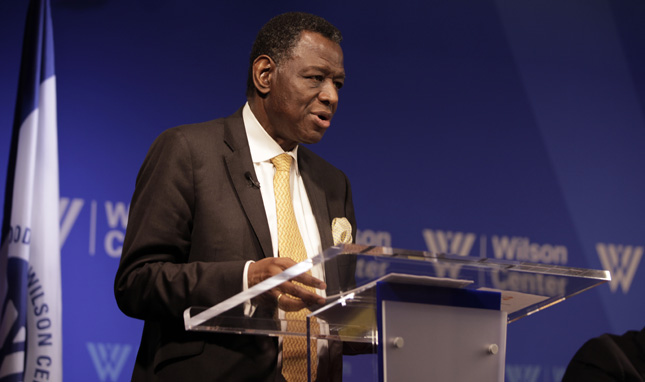
›June 6, 2017 // By Wilson Center StaffDr. Babatunde Osotimehin, the executive director of UNFPA and an inspiring leader in the global health community, passed at his home on June 4 at the age of 68.
-
Christophe Angely on Overcoming Pessimism for the Sahel
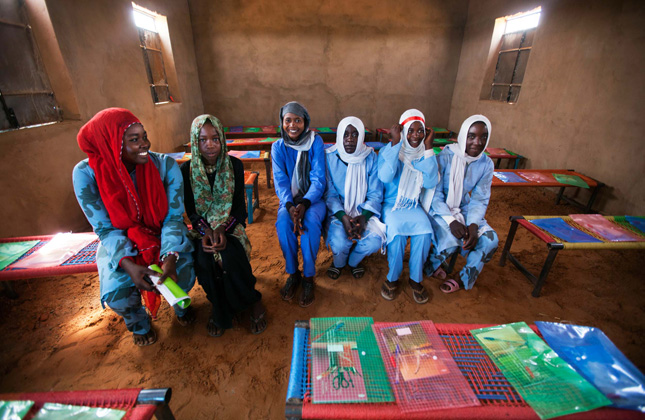
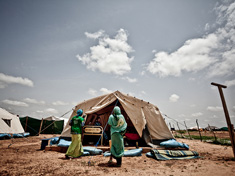
›The Sahel region of Africa is a wide band that marks the transition from the Sahara Desert in the north to the wetter, sub-tropical regions in the south. The Sahelian countries have some of the most rapidly growing populations in the world and have faced significant environmental change over the past century. In recent years, insurgencies have surged in several countries, new terrorist groups have become active, there have been several droughts, and migration has increased.
Showing posts from category gender.

 The Sahel region of Africa is a wide band that marks the transition from the Sahara Desert in the north to the wetter, sub-tropical regions in the south. The Sahelian countries have some of the most rapidly growing populations in the world and have faced

